
Five groundbreaking features on the (current) iPhone 14 Pro Android had for years
As a Samsung Galaxy Series smartphone user, I'm impressed with the iPhone 14 Pro design and much-improved software. Many selling point features make me want to switch back to the iPhone.
However, I can't help but notice the features of the iPhone 14 Pro aren't necessarily groundbreaking. Some of those features were introduced to the Android smartphone years ago. So let's review some iPhone 14 Pro features first seen on Android devices.
1: The Action Mode
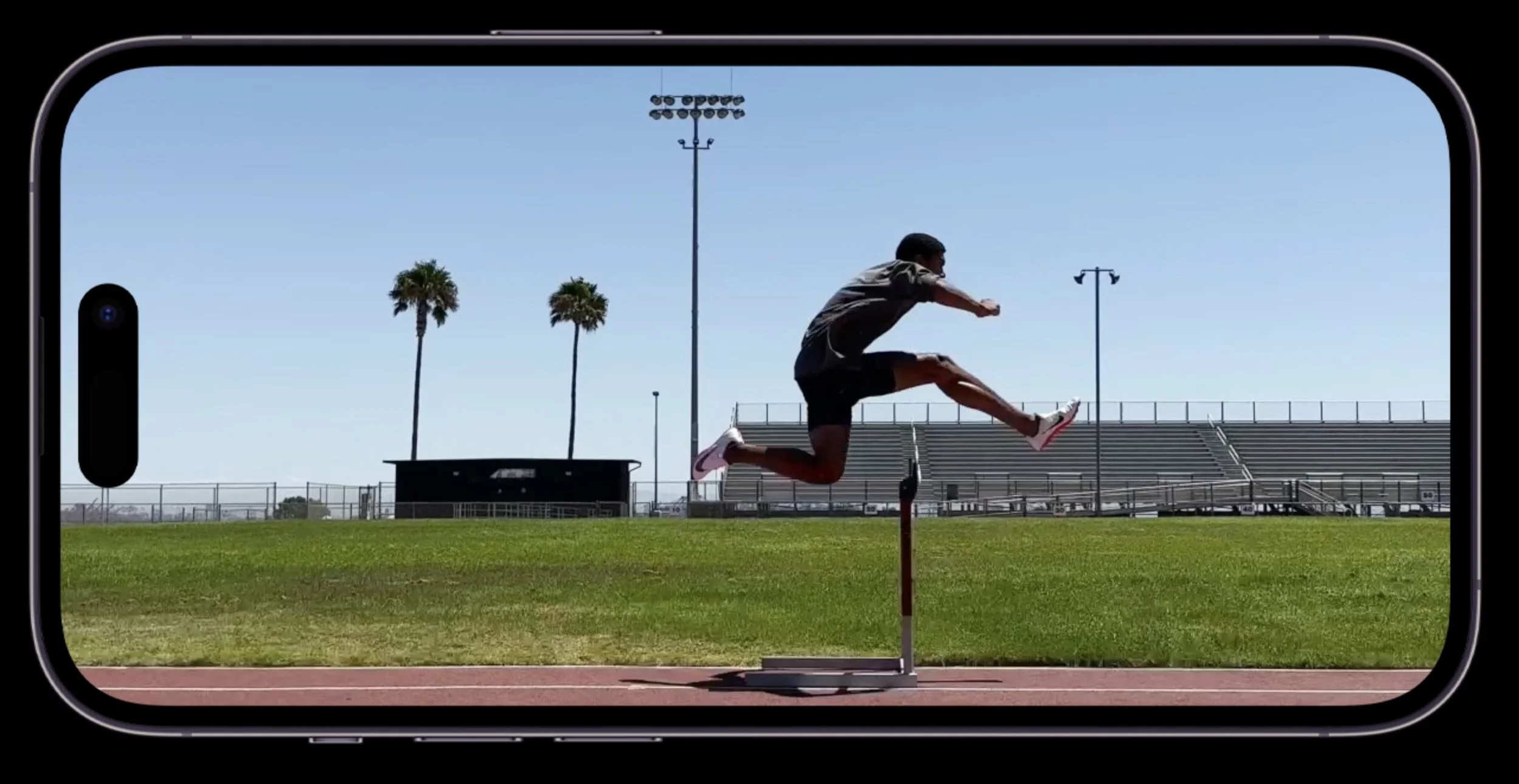
Call it action mode; I'll call this feature image stabilization. First introduced to the Vivo V25 Pro and Samsung Galaxy s10, the technology ensures stable motion images from sudden movements of the smartphone.
2: Always on Display
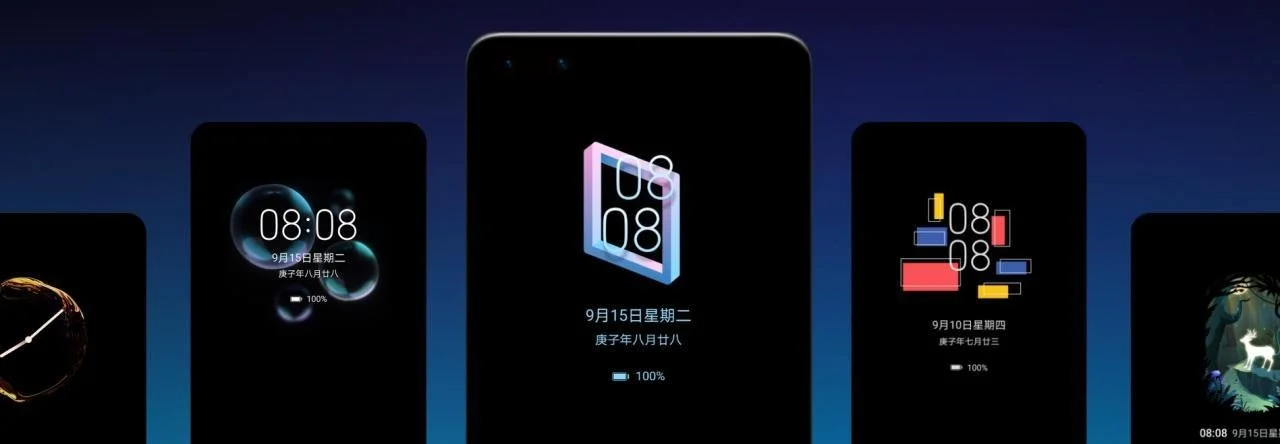
For a long time, the always-on-display was the most requested feature from even iPhone users, which is now on iPhone 14 Pro. Yet the technology has existed on Android devices for years—debuting in the Samsung Galaxy Note 7 smartphone, circa 2016. AOD technology itself dates back to 2008 when it made its debut on the Nokia 6303. In that same year, company also introduced AMOLED displays on its Symbian OS-powered Nokia N8.
What is unique about Apple's version of AOD it has the ability to lower the display resolution to 1Hz. While having minimal impact on battery life.
3: The Main Camera (48MP)
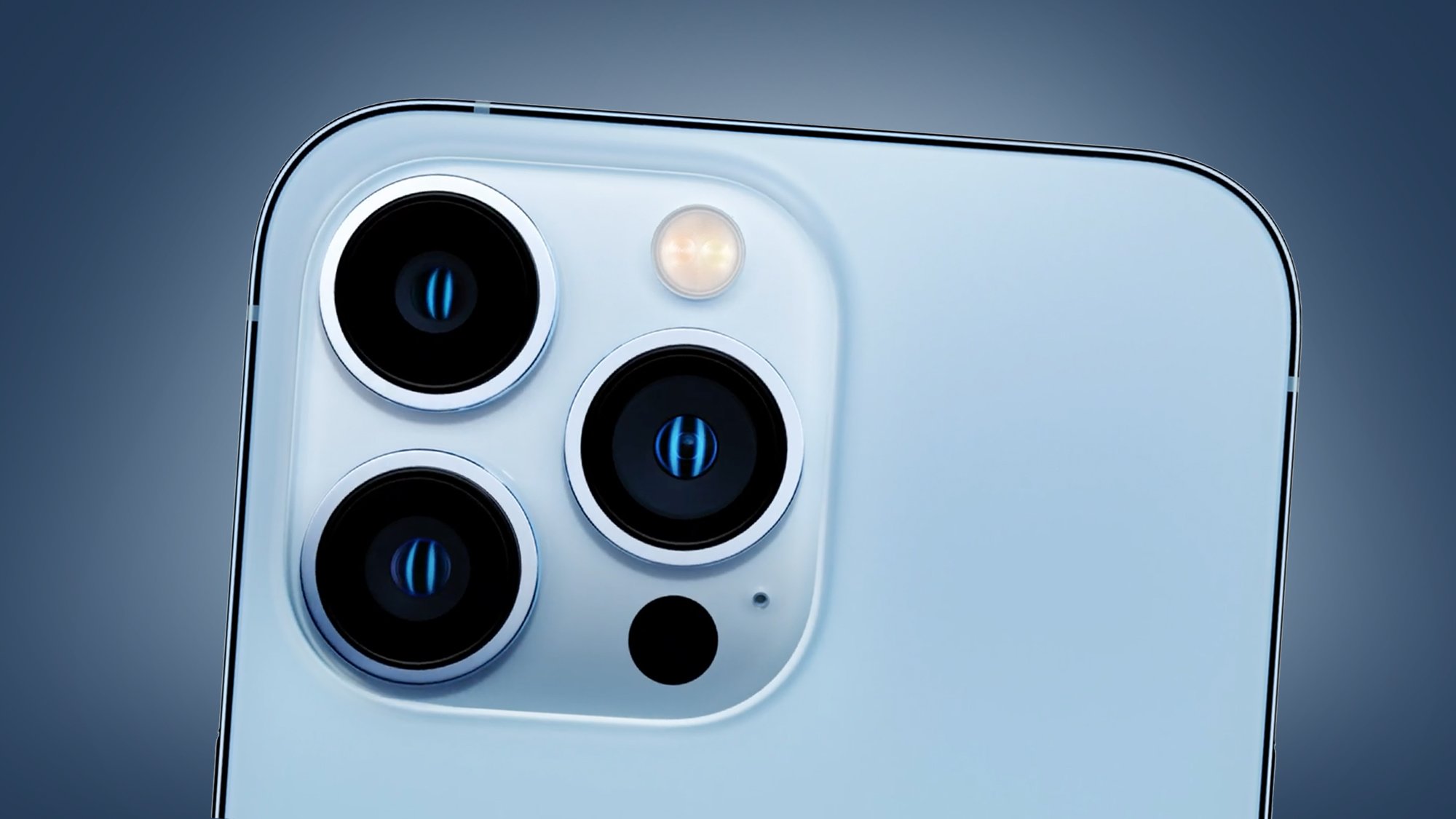
In 2022 the iPhone 14 Pro finally get a 48MP camera
The iPhone has one of the best cameras in a smartphone on the market. However, before this year, the last significant upgrade to its primary camera regarding resolution was in 2015, when the iPhone 6S got a 12MP sensor.
However, Android devices from 2015 to now have constantly bumped up their camera resolution. Flagship smartphones such as the Samsung Galaxy s22 Ultra have a 108 MP sensor, which actually made its debut in the Galaxy S21 Ultra.
Many will argue Apple's Photonic Engine supersedes any smartphone's large camera sensor. However, smartphone manufacturers such as Samsung and Google are producing stunning images in low-light conditions, thanks partly to much-improved computational photography.
4: The Dynamic Refresh Rate
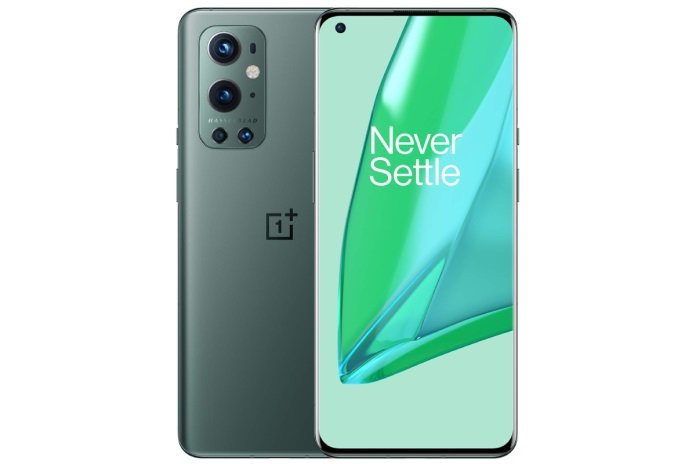
This is the One Plus 9 the first to have dynamic refresh rate
More than ever, high-end smartphones have adopted a 120Hz refresh rate. But the caveat from using high refresh rate displays is it drains battery life. So in comes, Dynamic Refresh rate, which lowers the refresh rate when the display is not in full use; the first Android flagship smartphone to have the ability to reduce its refresh rate to 1Hz to save battery life was the One Plus 9 Pro. The latest Samsung Galaxy s22 Ultra uses this same technology.
Apple finally introduced a dynamic refresh rate to the iPhone 13 Pro and Pro Max, limited to 24Hz. The current iPhone 14 Pro can reduce the refresh rate to 1Hz for the always-on-display.
5: The Car Crash Detection
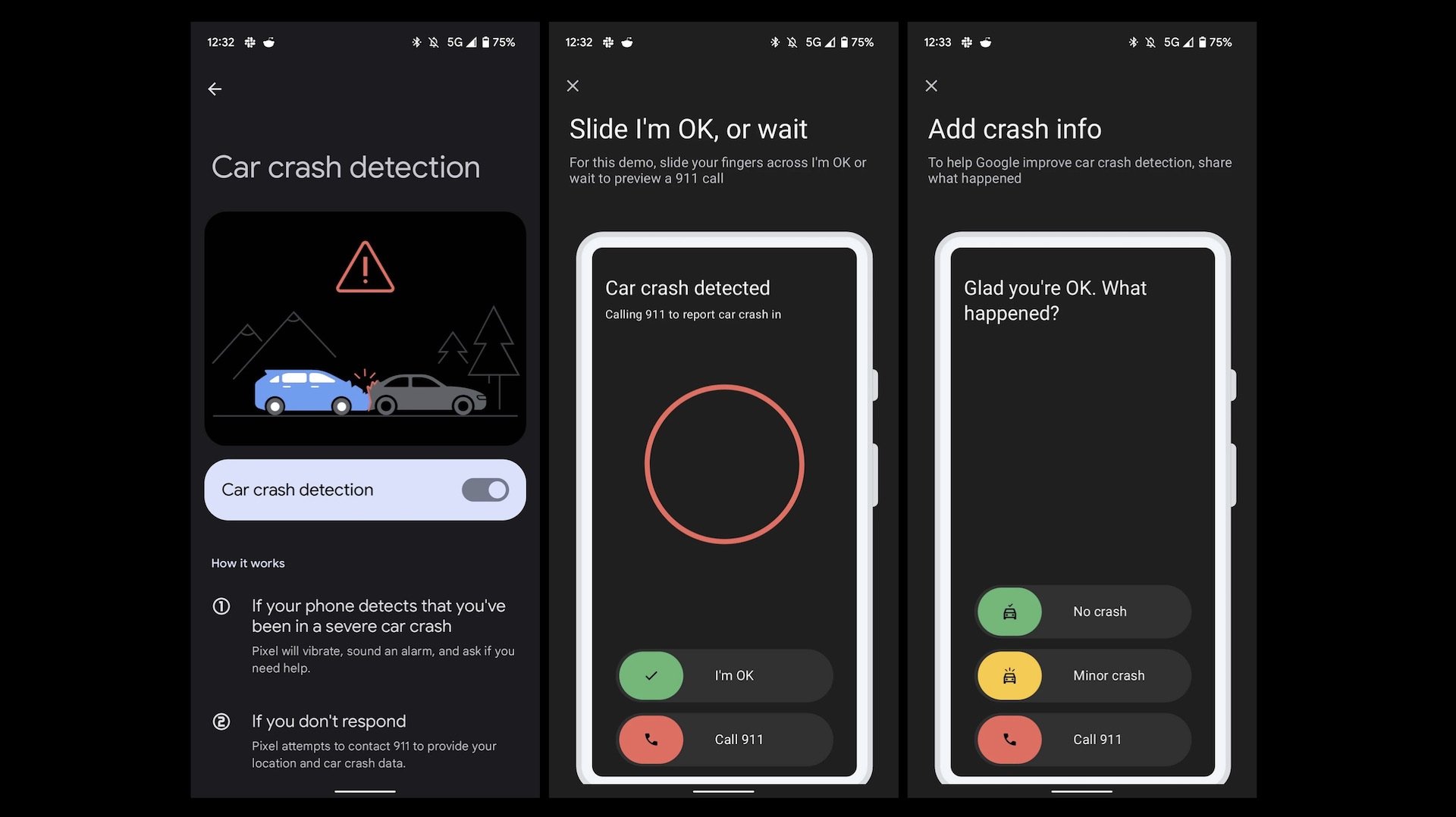
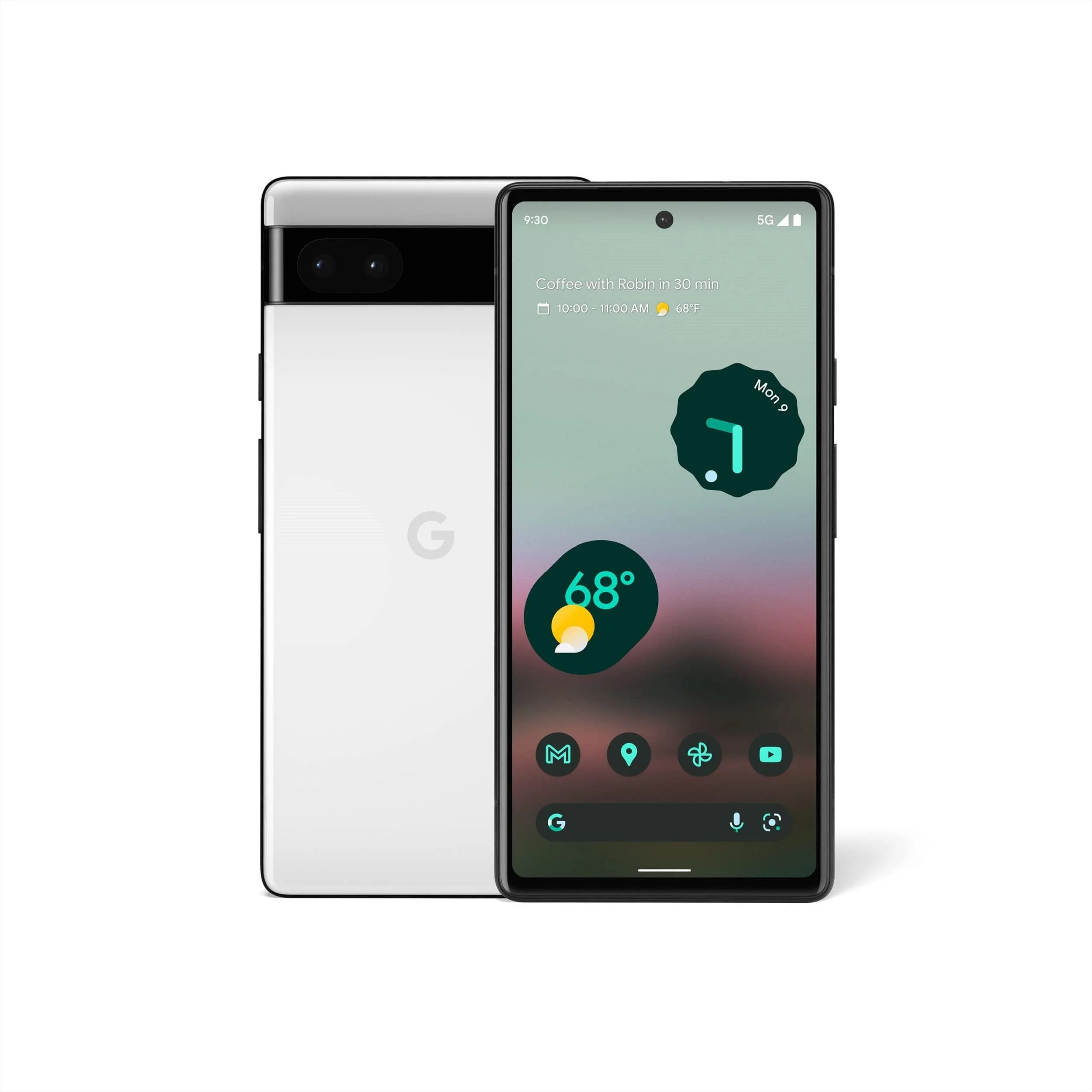
Pixel smartphone had it first
When Apple introduced crash detection to the iPhone 14, it surprised me that they weren't the first to implement this technology. Google was actually the first to introduce car crash detection features on select Pixel smartphones years ago. Better known as the Personal Safety App, which is still exclusive to Pixel smartphones. Like the Apple version, it lets users set up an Emergency SOS feature that dispatches for safety and shares real-time location when accidents occur.
There's also an option that can turn on automatic car crash detection. If users don't respond within a specific time period, your Pixel smartphone will automatically call 911.