Let's Talk About Apple's Most Interesting Device in 2026: The New 27-inch Studio Display XDR
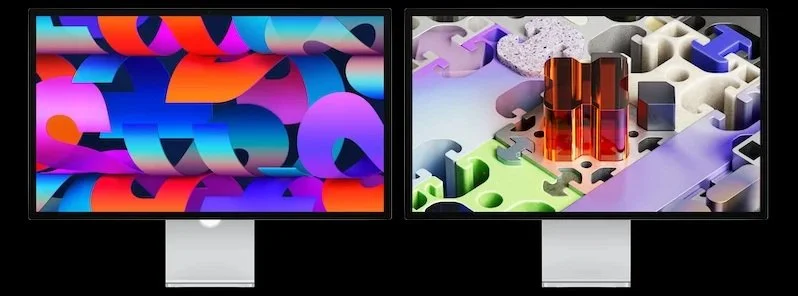
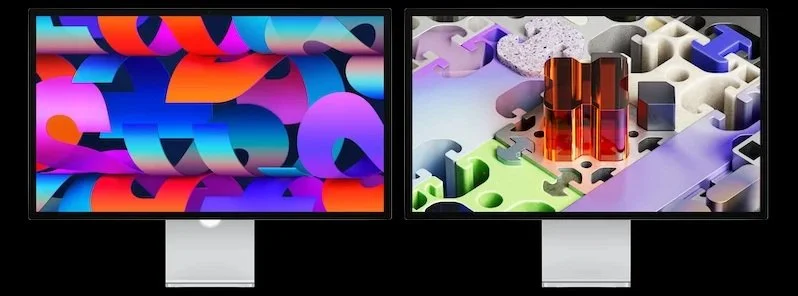
Of all the devices unveiled at Apple's March Event last week (now a couple of weeks by the time this post is published), the Studio Display XDR is the most intriguing. What makes this particular device so compelling is how Apple managed to merge the 27-inch form factor of the standard Studio Display with the "Extreme Dynamic Range" performance of the now-discontinued 32-Pro XDR. Basically, it uses the same technology, with a few significant additions, in a smaller display panel. Though still expensive, it's more consumer-friendly than its $5,000 predecessor. Let's take a deeper look at the specs and features of the n 27-inch Studio Display XDR, because Apple has set the standard for how high-end displays should be constructed and perform.
The Display Panel Performance
Apple's shift to Mini-Led backlighting is one of the few standout upgrades to the display, enabling a significantly higher contrast and brightness than the standard model. The display resolution alone is worthy of conversation, boasting a 5K Retina (5120 x 2880) and a 218 PPI. The display's backlight features a Mini-LED with 2,304 local dimming zones, a 4x increase over its predecessor. To sum it up, you now have UI that's more responsive, with smoother scrolling and rapid window dragging.
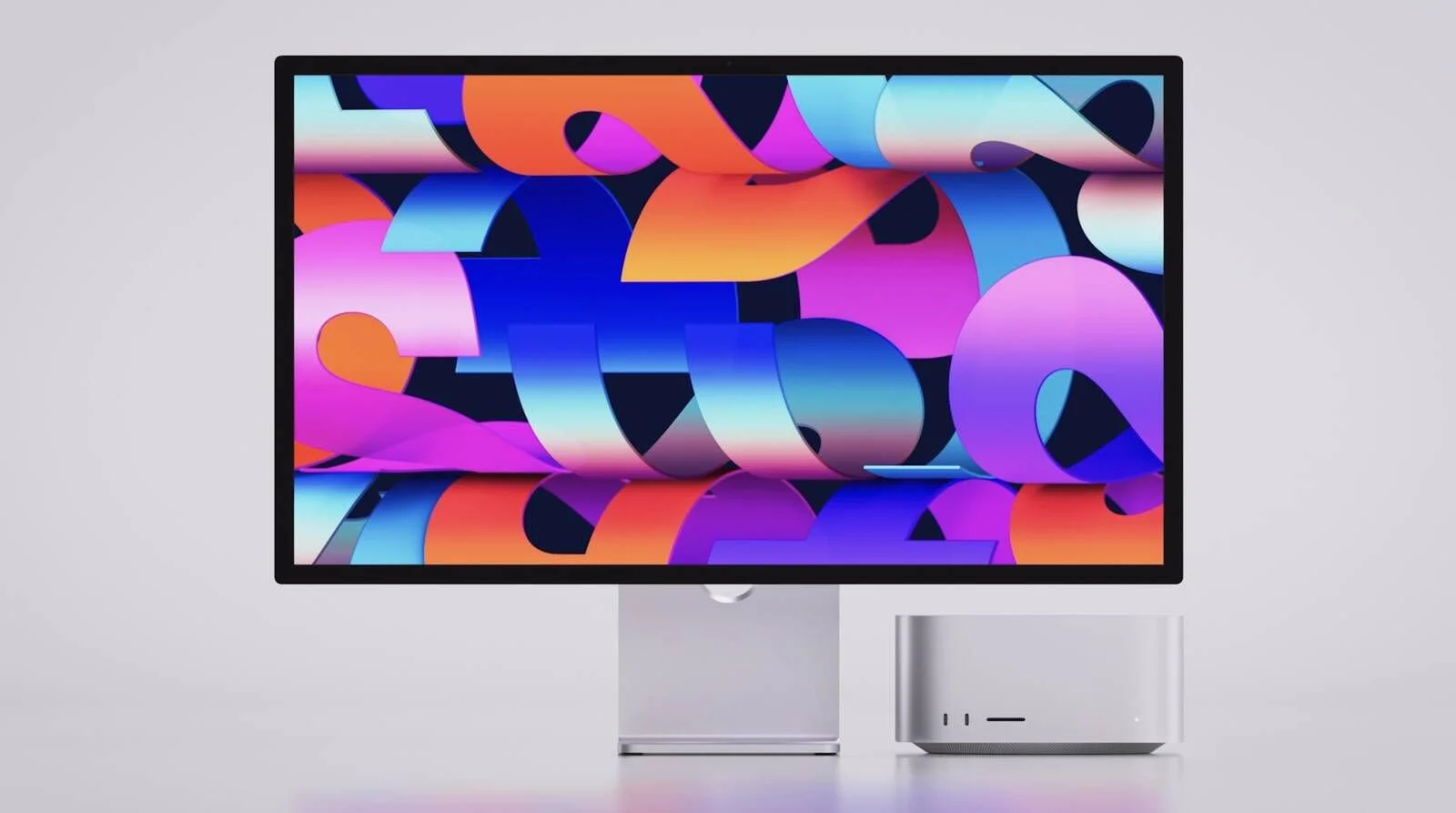
When it comes to SDR brightness, it reaches an astounding 1,000 nits sustained and 2,000 nits of peak brightness in HDR. The benchmark for any high-end display is its refresh rate. The Studio Display XDR does not disappoint; you're getting Apple's own 120Hz ProMotion technology with Adaptive Sync that ranges from 47Hz to 120Hz.
As is typical of most high-end monitors, the Display Studio XDR has a high contrast ratio of 1,000,000:1.
The Brains of The Display Studio XDR ( A19 Pro chip)
Interestingly, the significant upgrade to the Studio Display XDR is the A19 Pro chip, the brains of the display's operation, which functions as a standalone system for specific tasks while managing massive amounts of real-time data for its high-end display panel. With the A19 Pro's 6-core processor and enhanced Neural Engine, the display handles intensive tasks without taxing the Mac's connected resources.
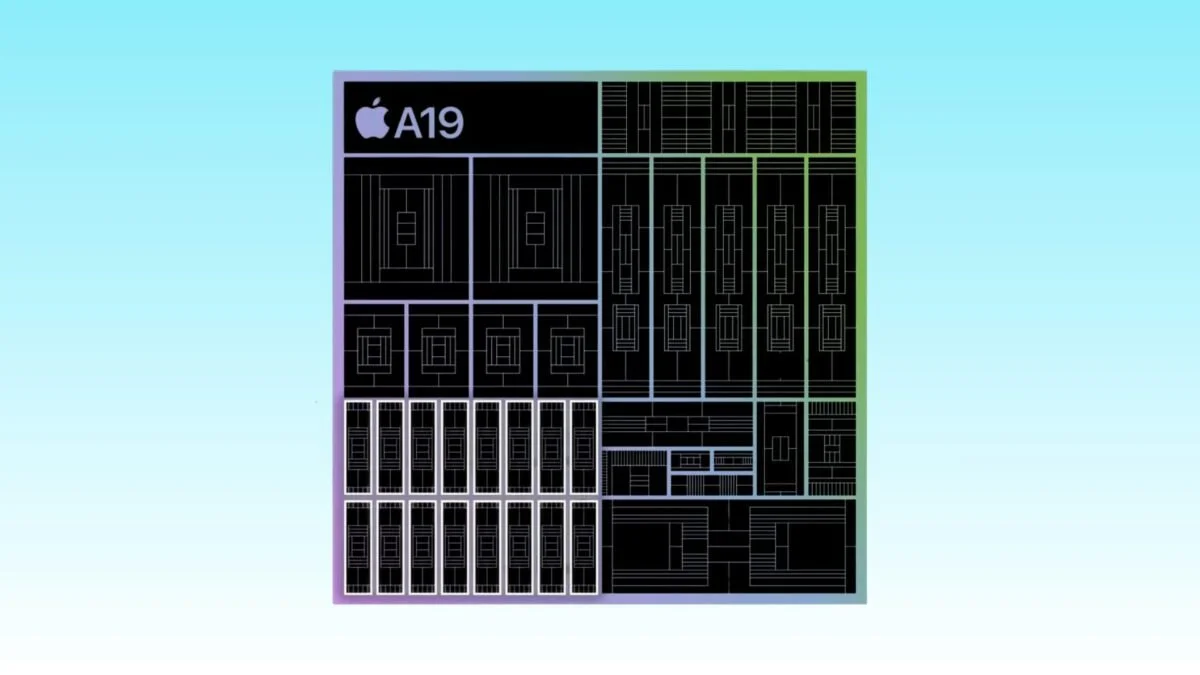
The A19 Pro processor has multiple critical responsibilities for managing the mini-LED backlight. With 2,304 local dimming zones, the display has to make thousands of rapid brightness adjustments every second. The local dimming actually uses the chip's Neural Engine, which runs proprietary algorithms to identify objects on the screen that are usually prone to "blooming" (this is when light bleeds from a bright pixel into dark ones), and adjusts the dimming behavior in real time to maintain the display's perfect blacks.
The A19 Pro processor also manages the "thermal throttle, protecting crucial components from the display's massive heat built up due to the 2,000 peak HDR brightness, which in some displays accelerates pixel burnouts. If components do overheat, users are notified via the macOS menu icon.
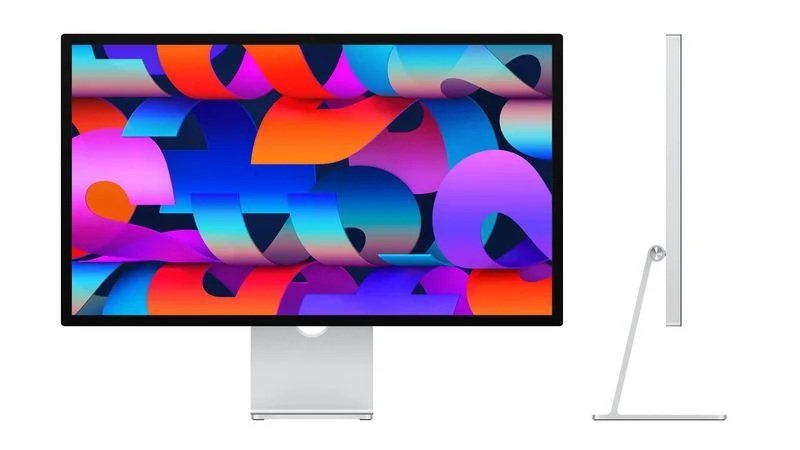
The A19 Pro processor perfects computational photography and video, powering the 12MP Ultra Wide camera, providing features typically reserved for current-gen iPhones or iPads. It handles Center Stage in real time, and cropping and zooming are required to keep subjects in frame as they move around.
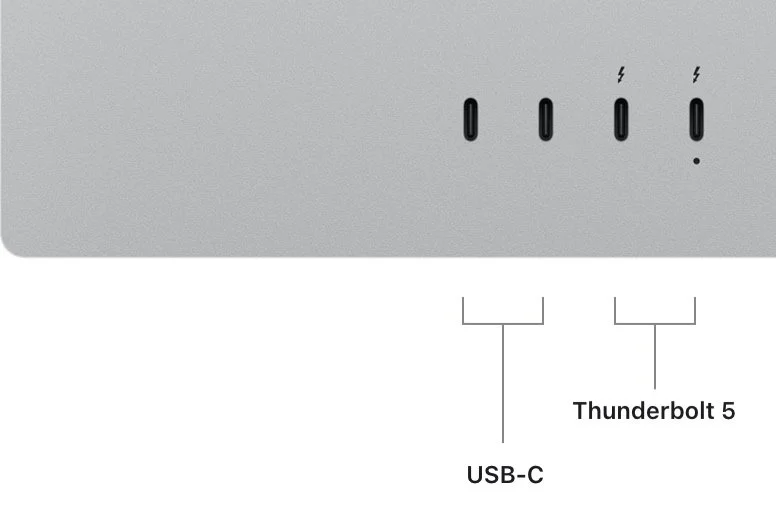
The Integrated Thunderbolt 5
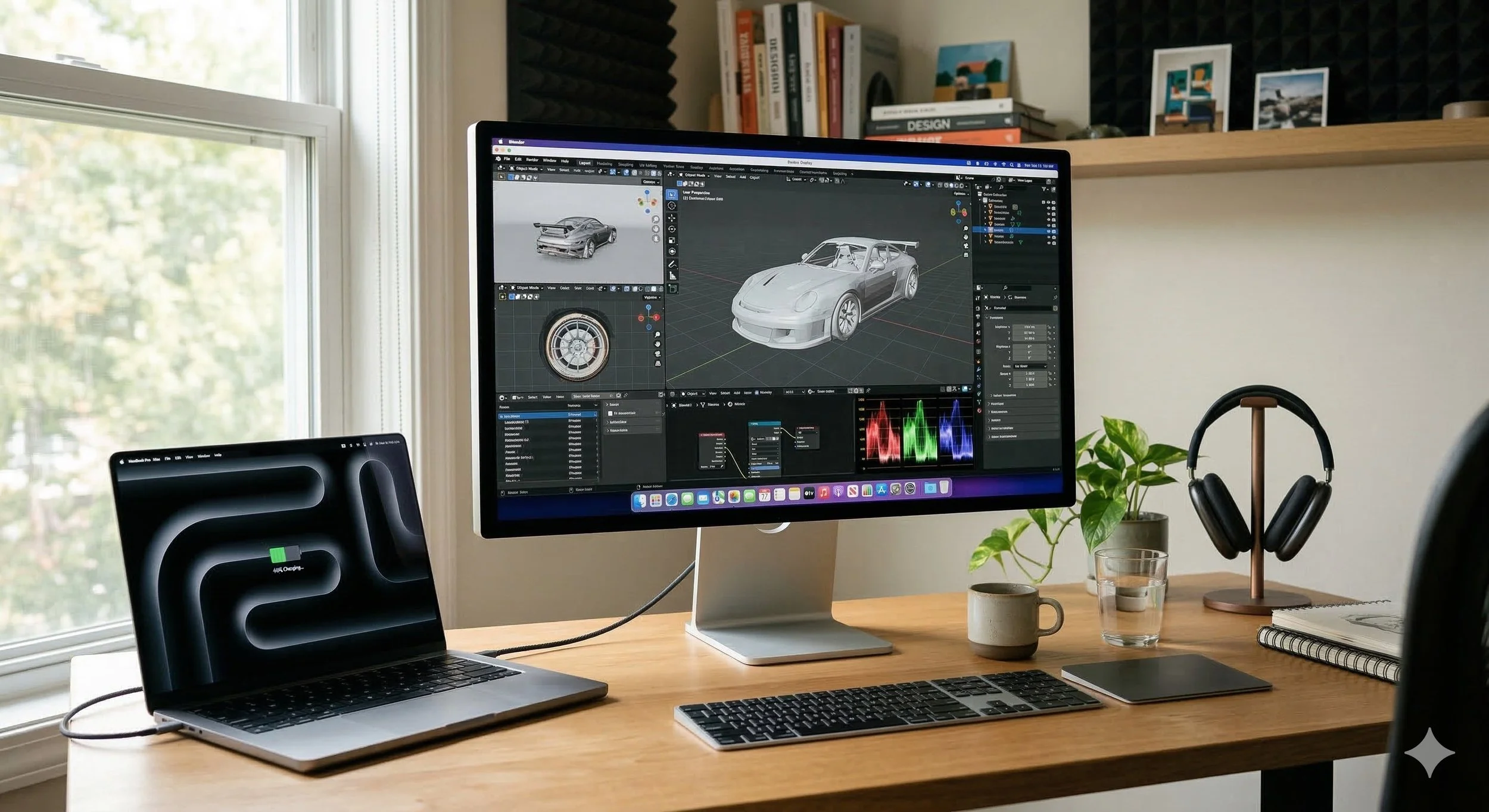
The display includes a Thunderbolt 5 port with up to 120 Gbps. At that speed, the monitor can handle massive data throughput, supporting a daisy chain of second XDR displays while simultaneously fast-charging an entire 16-inch MacBook Pro at 140W through a single cable. The user can now simplify the "one-cable setup," a main staple of the modern Mac Studio.
Here's My Final Thoughts
I wouldn't consider $3,299 for the Studio Display XDR consumer-friendly. The device itself is for the consummate professional who specializes in 3D art, and photo enthusiasts who require Adobe RGB coverage and pixel-perfect contrast.
While some detractors will argue that the 27-inch size is a downgrade from the 32-inch Pro Display XDR, the consensus among many tech enthusiasts is that the improved zone, 120Hz refresh rate, and lower entry price make it a more practical, high-performance successor.