Why Do Data Centers Use So Much Power
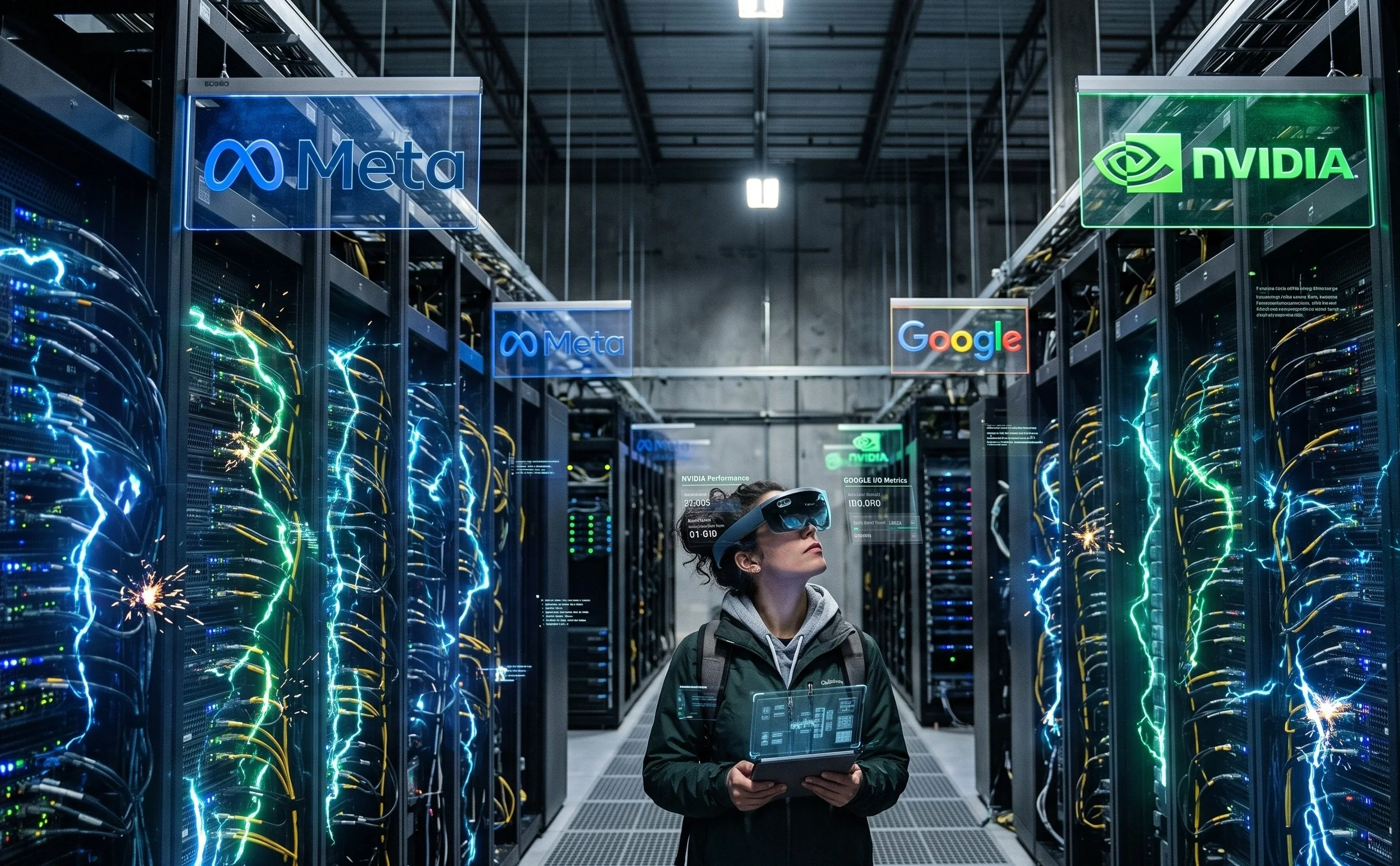
Data centers are behemoths: ultra-dense industrial complexes. Instead of producing raw materials, these facilities process data for the entire planet—moving every byte, running every calculation, or storing data so that internet users can view a website, stream content, and use AI tools. For that to happen, data centers require a substantial amount of direct electrical energy.
This brings us to the topic at hand: why do data centers consume so much power? To help you understand it all, I'll break down where the electricity actually goes and why so much power is needed to run servers.
AI is the culprit
The primary power draw of data centers is, of course, the hardware, in particular the processors, GPUs, and custom silicon accelerators.
Each time a chip flips a binary transistor, electrical current flows through a resistance, which in itself consumes a lot of energy and generates heat. Standard cloud servers provide conventional workloads, such as hosting websites or streaming media, draw 7 to 10 kilowatts per cabinet.
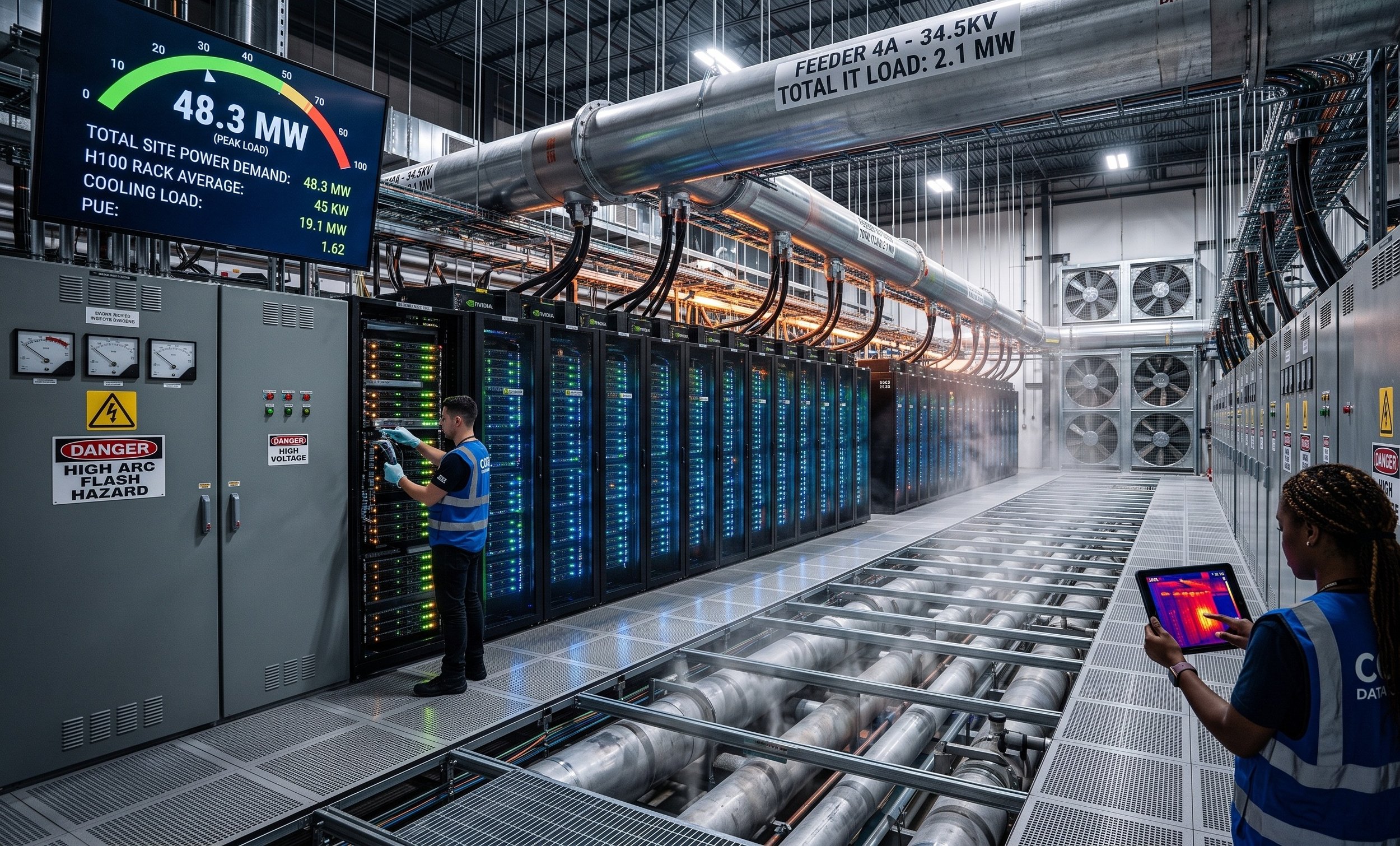
On the other hand, servers that handle AI workloads consisting of training and running generative models require denser clusters of high-performance GPUs. Most modern AI-optimized server racks can pull 40 to 100 kilowatts. This means a small row of AI hardware can draw more electrical power than an entire floor of an office building. A true testament of how much electrical power is being used.
The Importance of Cooling
The processor, the brains of computing systems that include desktop PCs, laptops, mobile devices, and yes, servers, requires constant cooling because an overheating processor, especially in servers, can cause severe damage. In a data center, you're dealing with hundreds of processors operating simultaneously, generating vast amounts of heat in a tight space. So it's no surprise that data centers direct a massive portion of their total power to liquid-cooling pumps, industrial-size chillers, and HVAC equipment to keep the chips from melting.
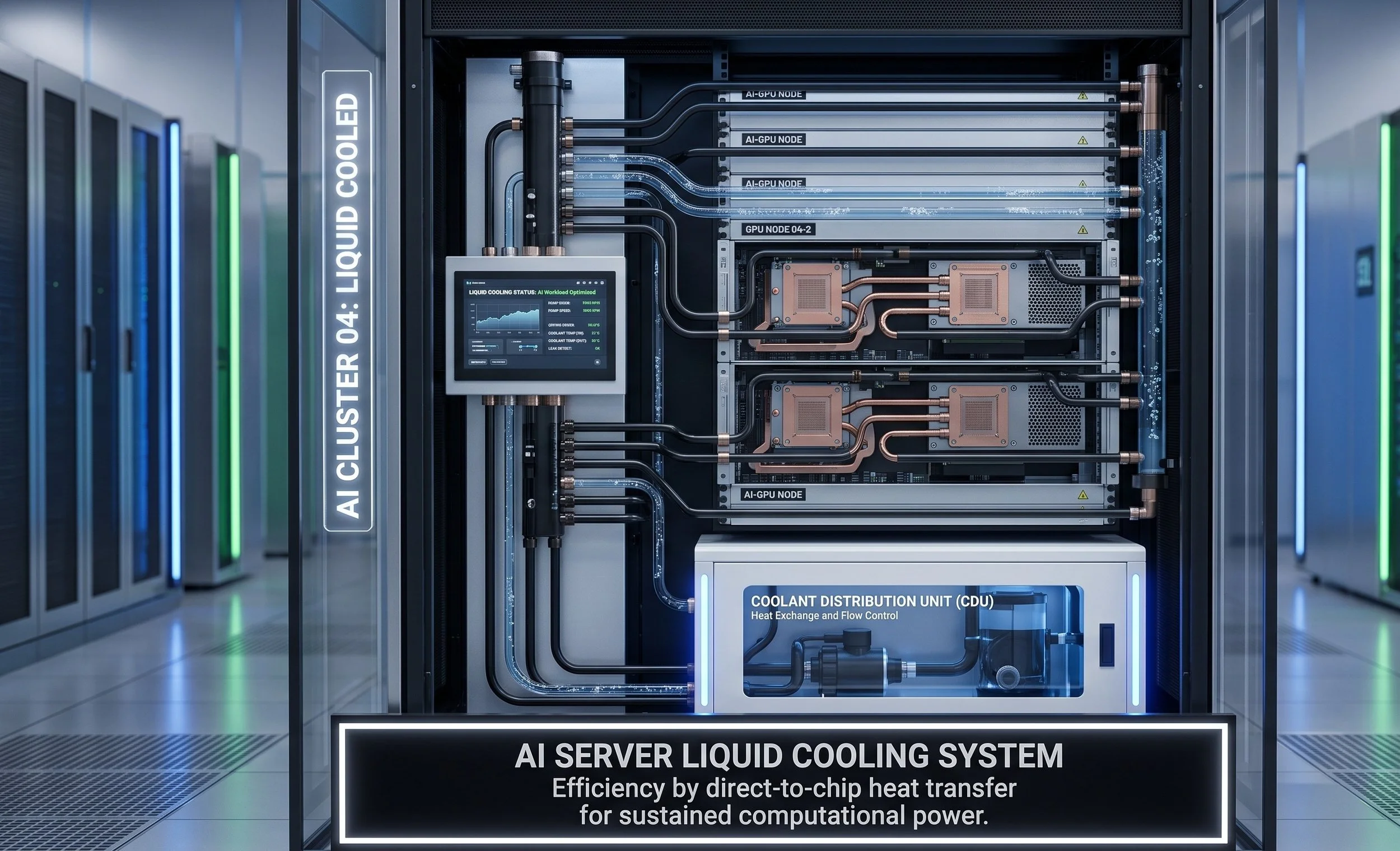
In many data centers, dissipating heat consumes just as much power as running the systems themselves. Without a well-structured cooling system that runs 24/7, tbe hardware in these server racks will immediately instantly overheat.
The Redundant Power Conversion
The modern cloud service can guarantee "five-nines" availability ( measuring 99.999% uptime). This prevents data loss or service outages so that facilities can run continuously in the background. So basically you have an always-on infrastructure: pumping stations, backup generators, and secondary distribution loops operate continuously.
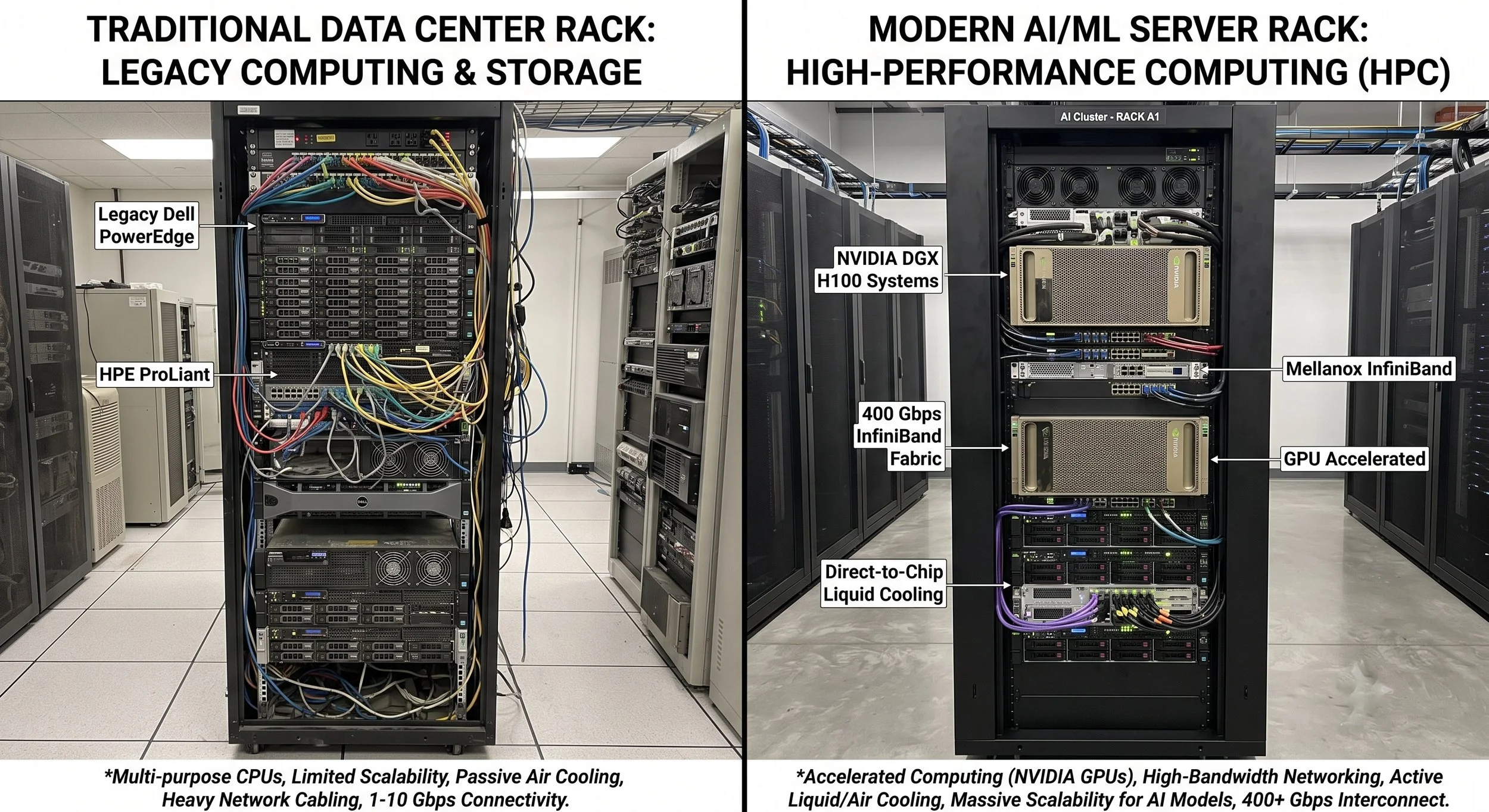
The Traditional Server vs. Modern AI Server Rack
There is a vast difference between traditional and modern AI servers regarding power consumption and cooling.
Traditional Server
Power Density: 7-10kW per rack
Cooling Method: Air-cooled fans/HVAC
Primary Workload: Web traffic ( web browsing, video streaming), database, storage
VS.
Modern AI Server Rack
Metric: Typical Power Density - 40-100+ kW per rack
Cooling Method: Advanced Direct-to-Chip Cooling
Primary Workload: Matrix math, LLM training and inference
The Problematic Power Serve Issue
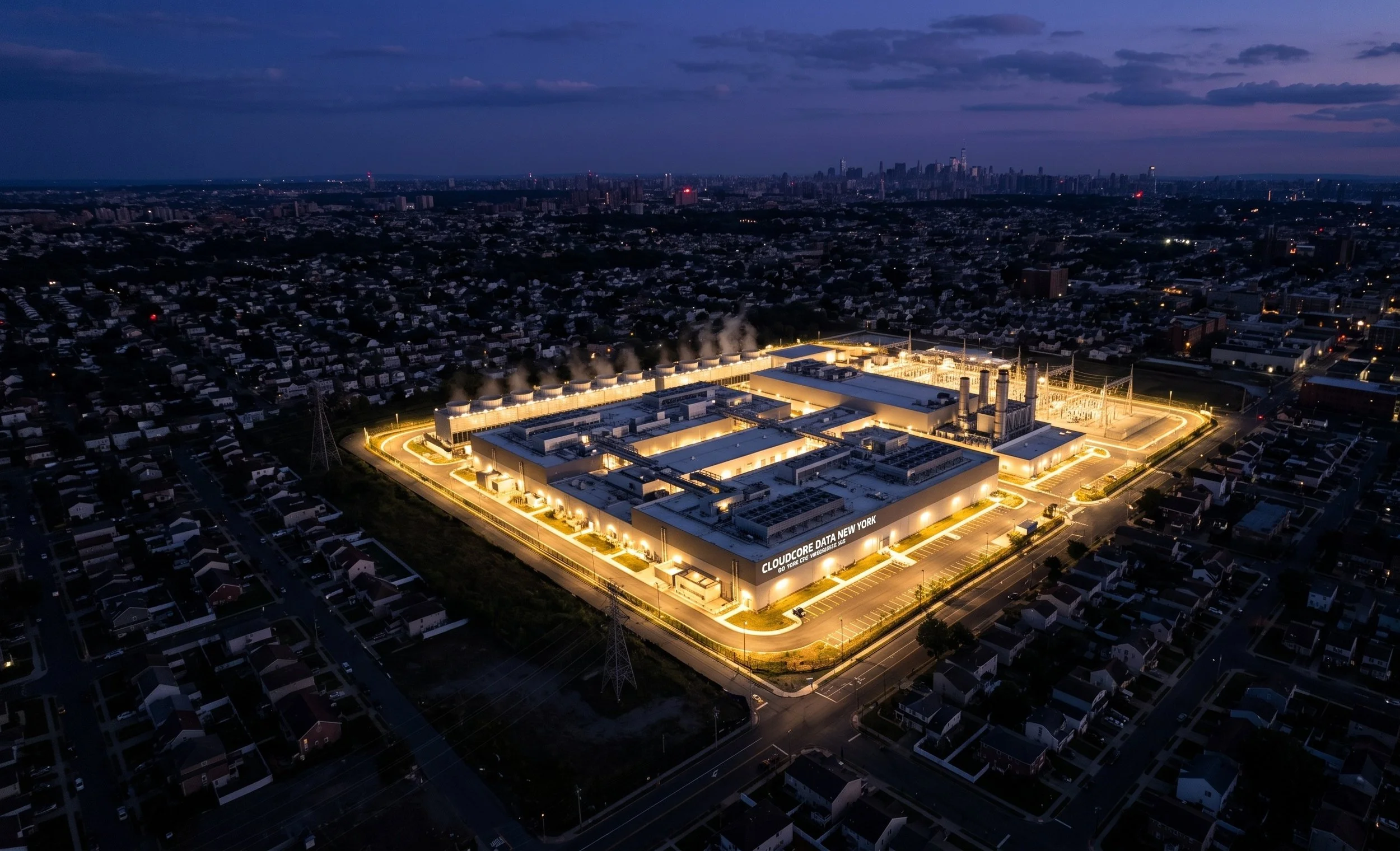
Because of the AI boom, data centers are being constructed all over the world; as a result, power demand is high, and grid operators are struggling to keep up. This is causing many companies to seek other alternatives, such as having direct access to dedicated nuclear plants, natural gas generators, and even microgrids, ensuring servers never go offline.
Wrap it Up
So what we have learned is that data centers require a vast amount of power due to three primary factors: 24/7 high-density computing, intensive cooling requirements, and sound power conversion and infrastructure needed for maintaining uninterrupted uptime.
As digital demand and AI adoption continue to increase, data centers sit directly at the intersection of computing power and grid capacity, driving the need for more efficient architecture and dedicated power sources.