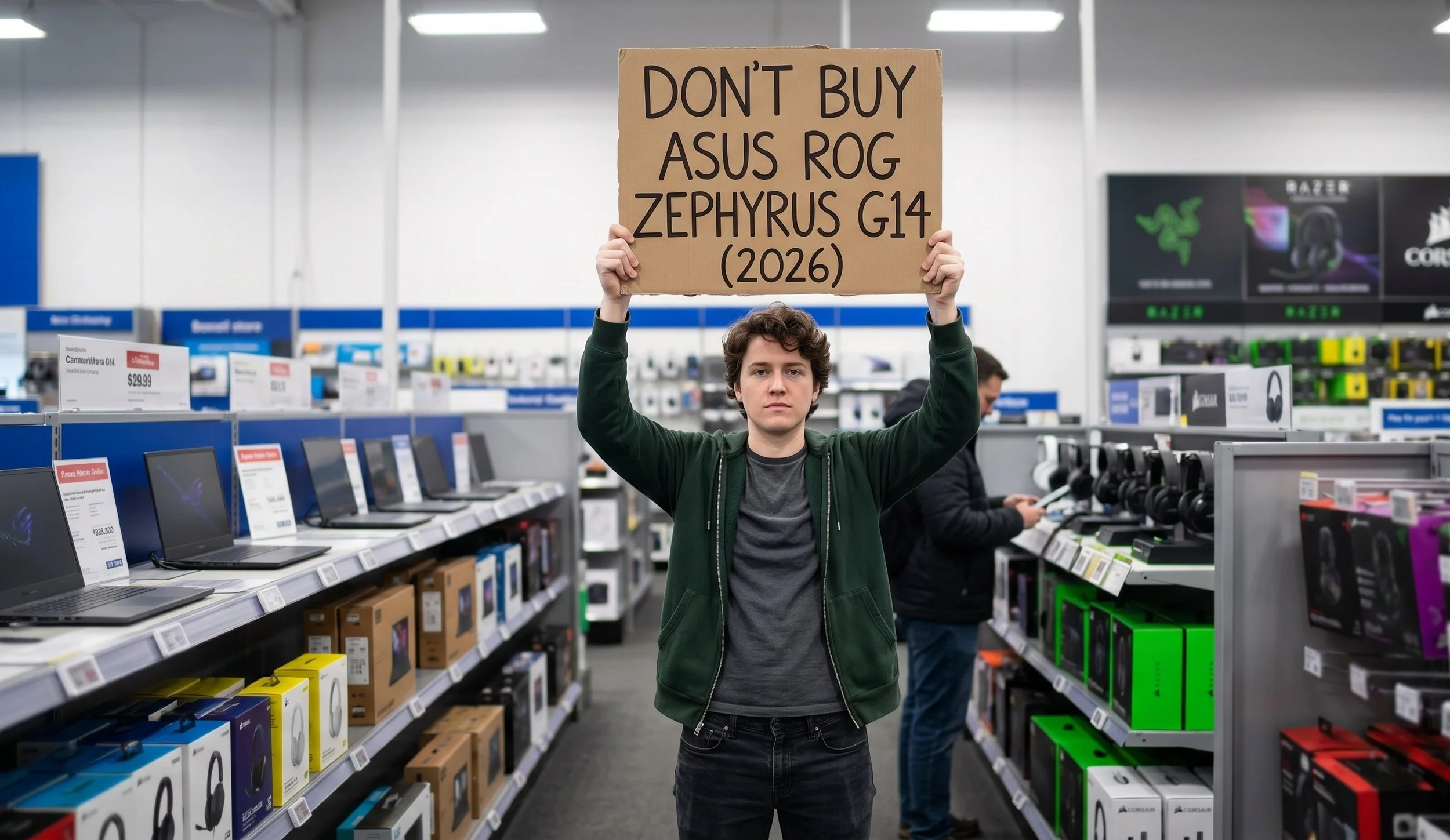
Here's Why You Shouldn't Buy the Asus ROG Zephyrus G14 (2026)
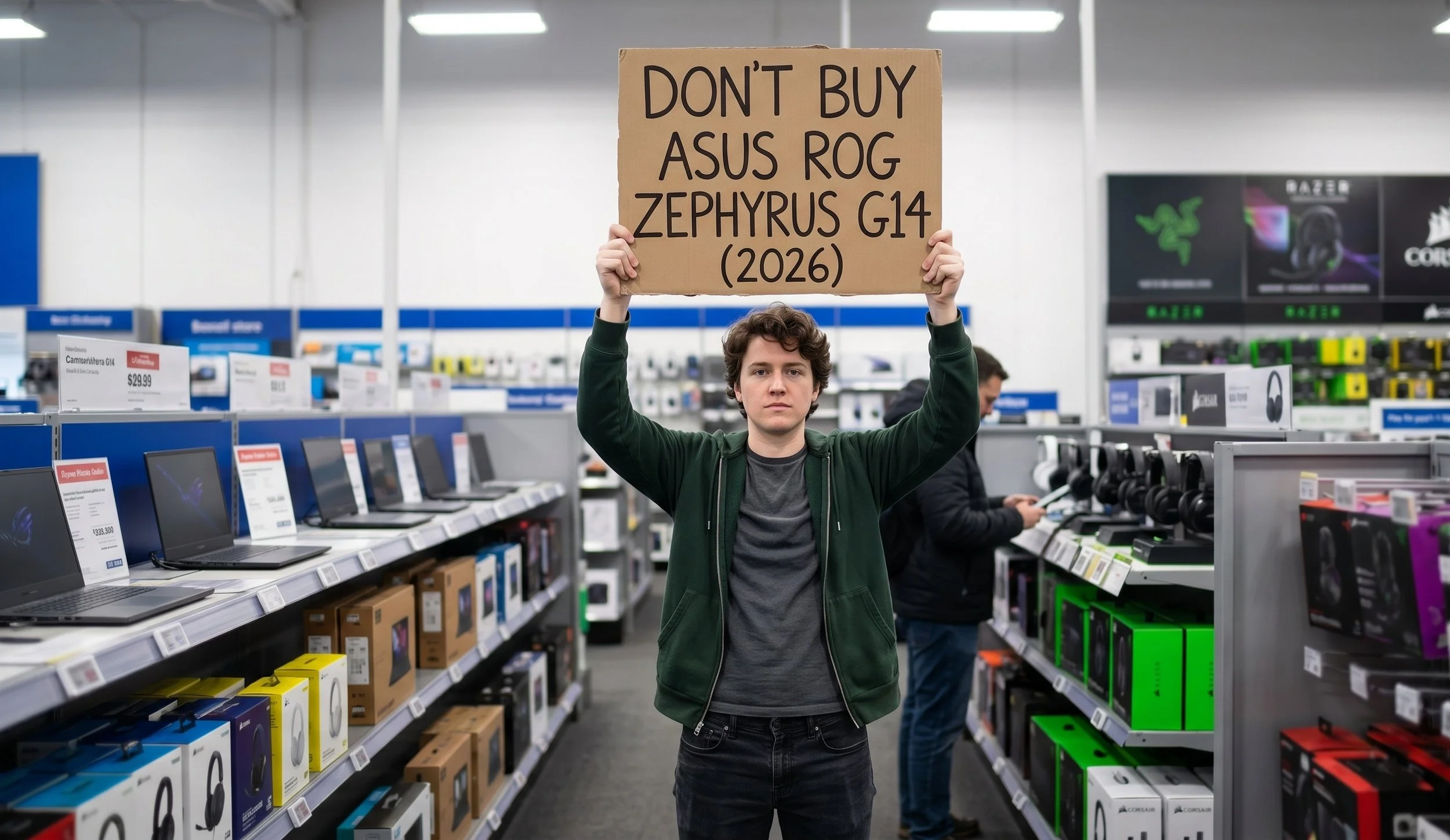
The Asus ROG Zephyrus G14 (2026) introduces much-anticipated component upgrades, including next-generation processors and enhanced display capabilities that gamers dream of. However, this ultra-powerful device comes with a slew of compromises.
Here are my primary reasons why you shouldn’t buy the 2026 model.

The inflated Price Premium
What will definitely deter consumers from purchasing the G14 2026 is the cost. The Intel-based 2026 configuration carries a $3,599 price, which is $1,000 more than some models on the market with top-tier hardware. For many workflows, the massive cost increase does not justify the incremental performance gains.
The Restricted Upgrades
Like with most laptops on the market in 2026, the RAM is completely soldered to the motherboard. There is no room for expansion if you plan to upgrade later. If users buy this laptop, they will be forced to pay a premium upfront for a higher-tier memory configuration to ensure the system remains future-proof.
Limited Thermal Capability
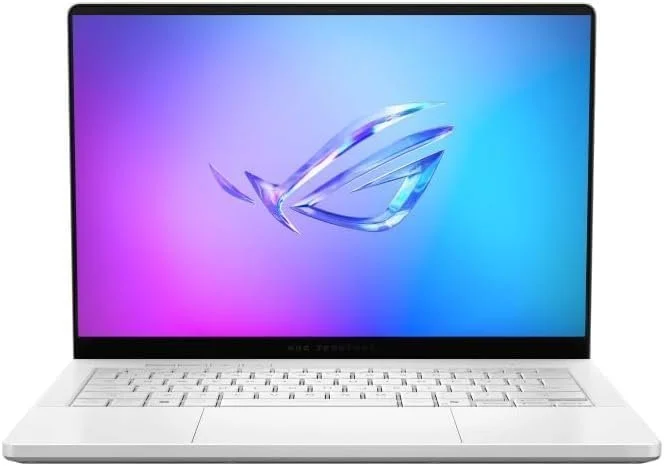
Because Asus prioritizes an ultra-thin, compact 14-inch chassis, the sleek design comes at a caveat. Thermal management can be quite difficult. Under heavy, sustained gaming and rendering workloads, the system can get quite hot, resulting in loud fans that sound like a jet engine. Published reviews noted that the laptop throttles the GPU, meaning the hardware cannot operate at its maximum power when the laptop rests on a hard, flat surface.
Regressed CPU Workloads During Specific Tasks
For the 2026 model, Asus has significantly shifted its flagship G14 configuration to the Intel Panther Lake architecture (Core Ultra 9 386H). While this change from ASUS has delivered significant improvements in battery life and single-core efficiency, the device loses ground in multi-core performance compared to an older AMD Ryzen processor. If the usage involves heavy multi-threaded tasks, such as Blender rendering or complex coding projects, last year’s models with AMD CPUs are the ideal choice.
The Never-Ending Bloatware
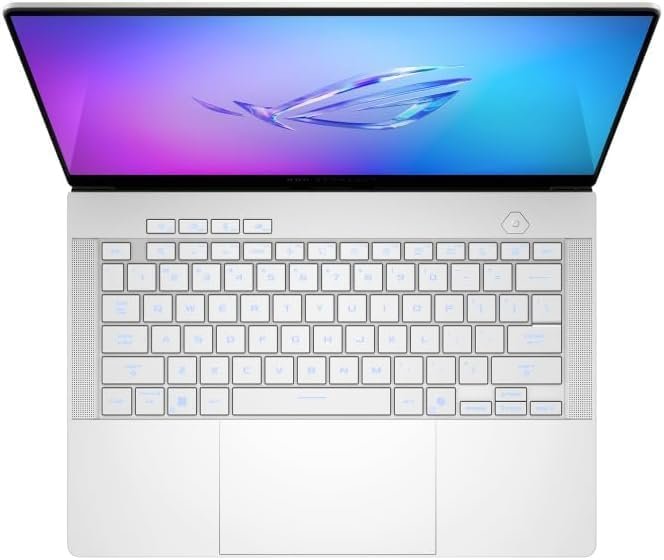
Like most branded-name laptops, ASUS relies on control software (ASUS Armory Crate) to enhance performance, manage power limits, and customize the laptop lid lighting zones. Users often criticize the software ecosystem for being bloated and resource-intensive in the background. Many enthusiasts have reported being forced to wipe the operating system clean and/or resort to third-party tools to keep the system running efficiently.
So, what we have here is this...
The ROG Zephyrus G14 (2026) is an engineering feat in the portable device space with top-tier hardware. However, potential users will have to make major compromises that are tough to overlook at its current price point.
The combination of an insanely generational price hike, soldered-in memory that precludes any future hardware upgrades, and persistent throttling means users are shelling out an exorbitant amount of money for a supposed premium laptop that can't fully stretch its legs. Furthermore, a shift in processor architecture entails a significant trade-off: sacrificing multi-core performance to improve battery life.
If your design choice calls for a thin 14-inch laptop with a slim chassis and you are willing to pay the premium, your money is better spent elsewhere. You're better off purchasing previous-gen models, such as the ASUS TUF Gaming A14 Laptop, which retails for $1,499.99, and the HP Omen Transcend Gaming laptop, retailing for $1,599.99. Both of these laptops not only have a nice, compact design but are also spec’d out with premium hardware.