Apple Has Raised Its Prices: Here's What I Need to Know
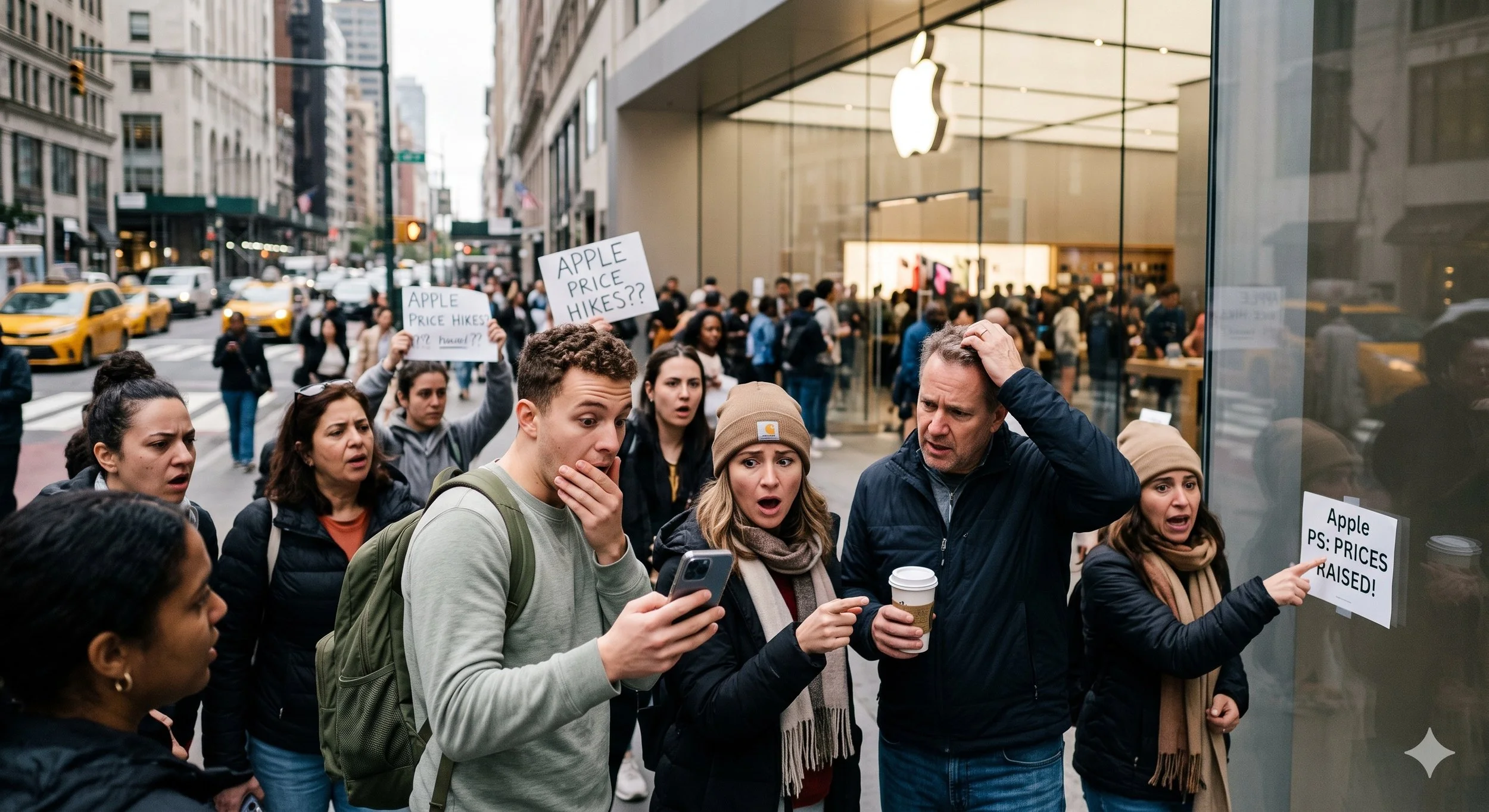
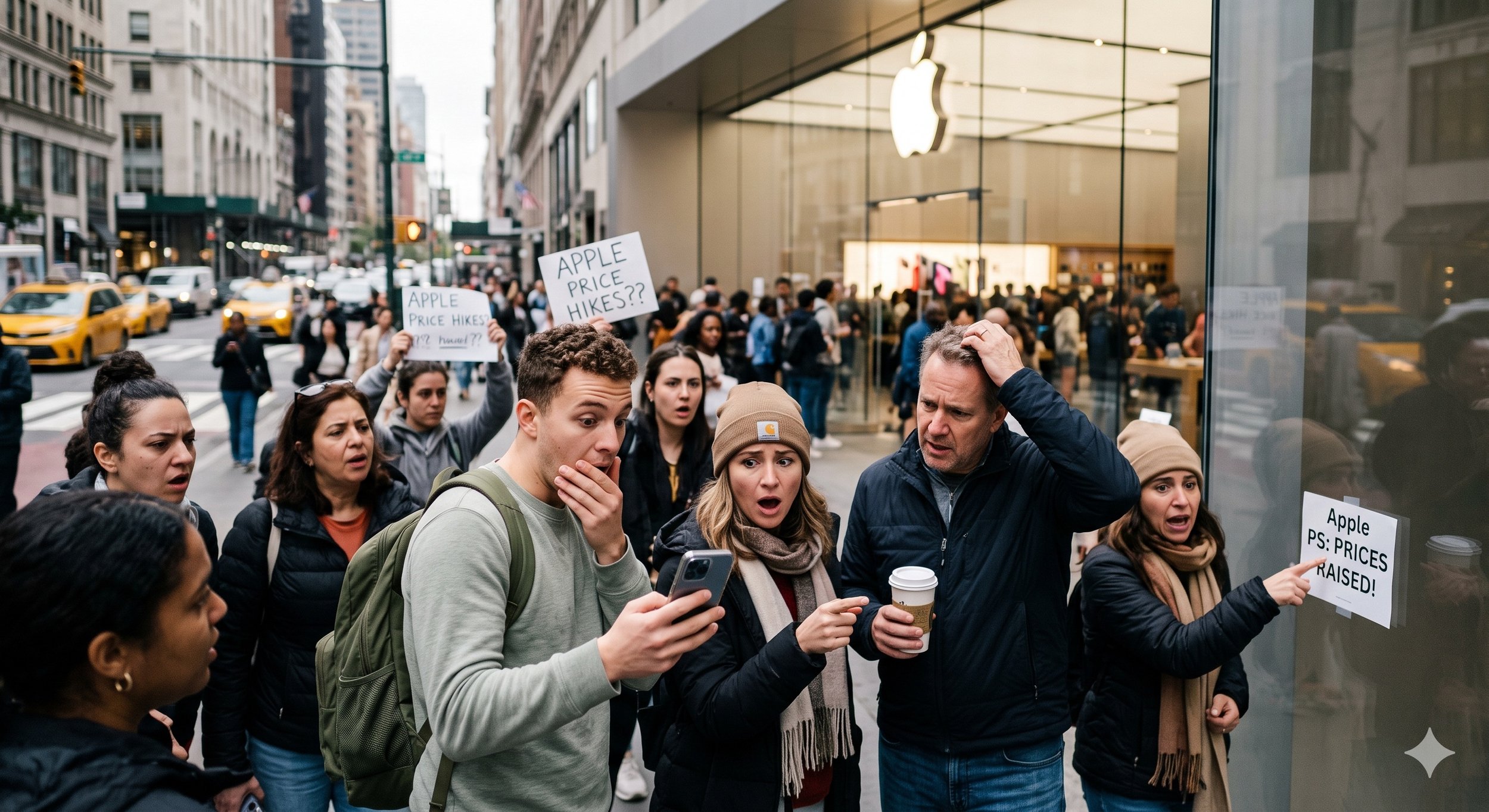
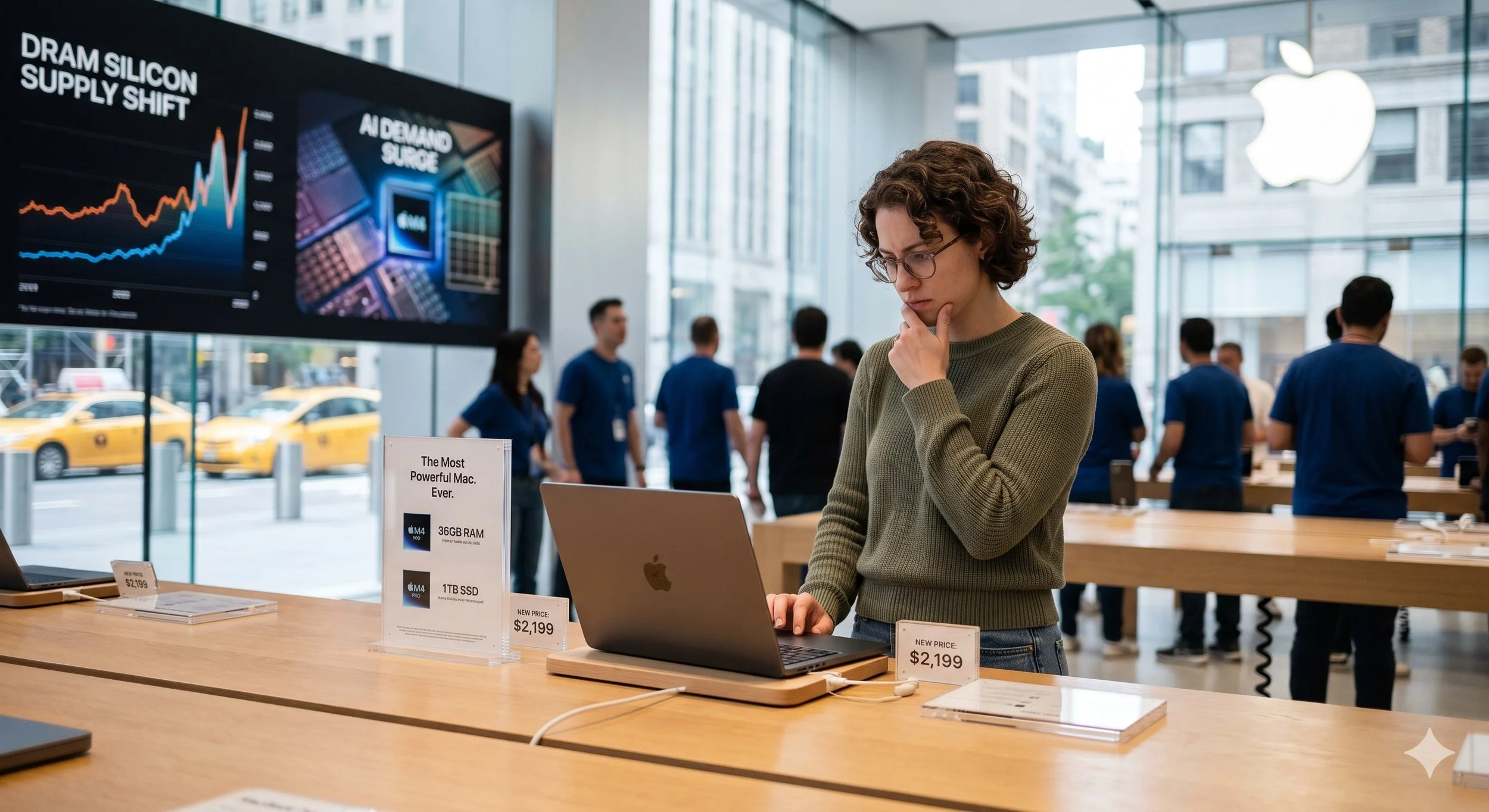
Suddenly, Apple raised its prices last week on June 25, 2026, sending shockwaves through the tech enthusiast community. Look no further than your friendly neighborhood Apple Store; you probably noticed that the retail sticker prices on almost all Mac products and iPads have jumped significantly.
So, upon further research, I need to know exactly what changed, why it's happening, and what it will actually mean for next-gen device upgrades.
What Devices Got Hit, To Name a Few
The primary devices you're seeing prices for are in the Mac and iPad lineup, along with home accessories and Vision Pro. On average, affected devices went up by about $246.
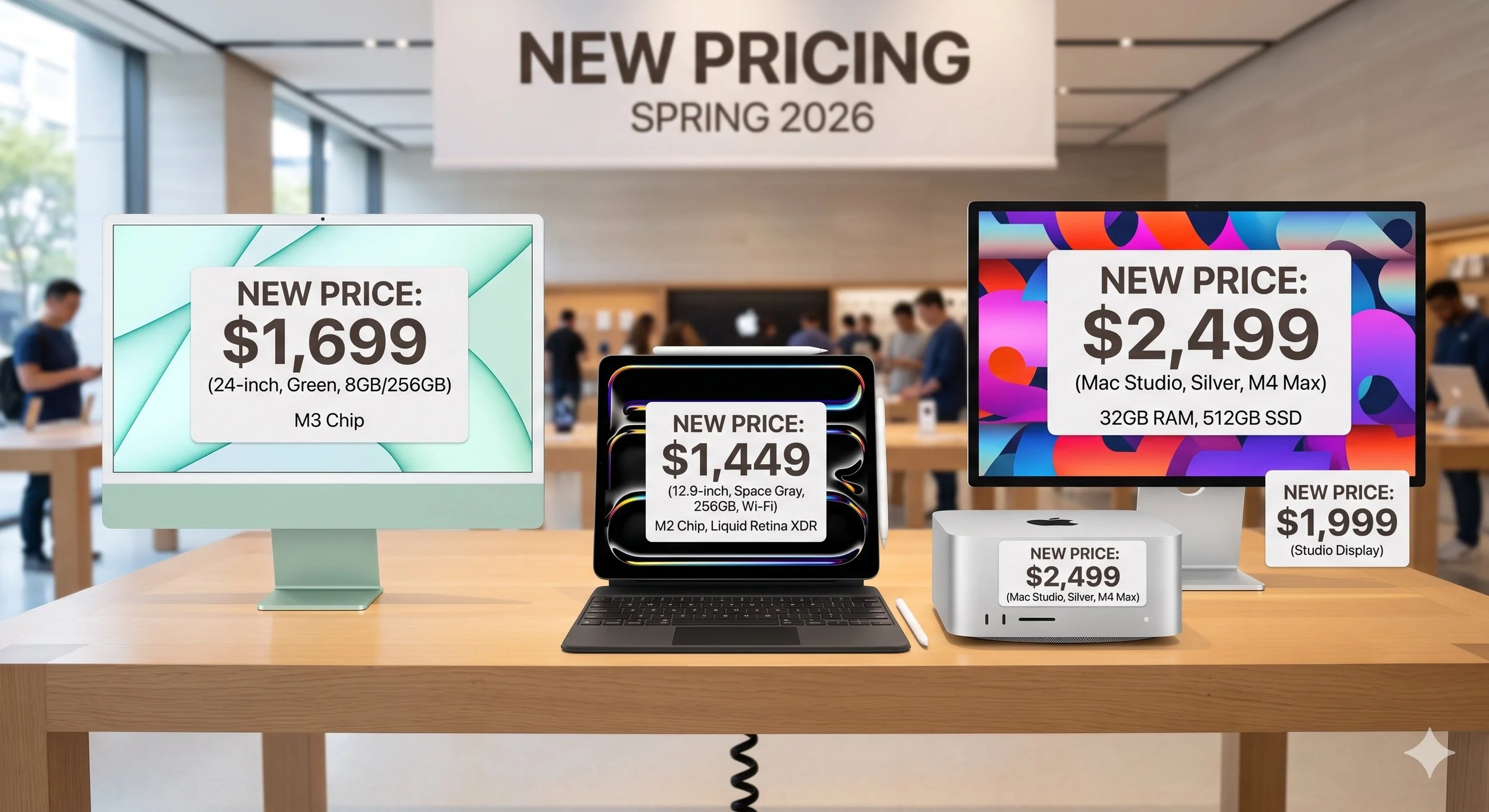
Here are a few of the US baseline pricing that changed overnight:
Mac Studio (M3 Ultra) Old Price: $3,999 New Price: $5,299 Price Hike: 1,300
Mac Studio (M4 Max) Old Price: $1,999 New Price: $2,499 Price Hike: $500
MacBook Pro (Base) Old Price: $1,699 New Price: $1,999 Price Hike: $300
MacBook Air: Old Price: $1,099 New Price: $1,299 Price Hike: $200
iMac: Old Price: $ 1,299 New Price: $1,499 Price Hike: $200
Mac Mini (M4 Pro) Old Price: $1,399 New Price: $1,599 Price Hike: $200
MacBook Neo: Old Price $599 New Price: $699 Price Hike: $100
iPad Air Old Price: $599 New Price: $749 Price Hike: $150
iPad Pro Old Price: $999 New Price: $1,199 Price Hike: $200
iPad(Base) Old Price: $349 New Price: $449 Price Hike: $100
Vision Pro Old Price: $3,499 New Price: $3,499 Price Hike: $200
What Device was Spared The Price Hike
For now, the iPhone, Apple, and AirPods devices have not changed in price, at least not yet. However, industry analysts warn that when the next-generation iPhone 18 lineup hits the market in the Fall, it will likely have a higher baseline price.
What Gives Apple?
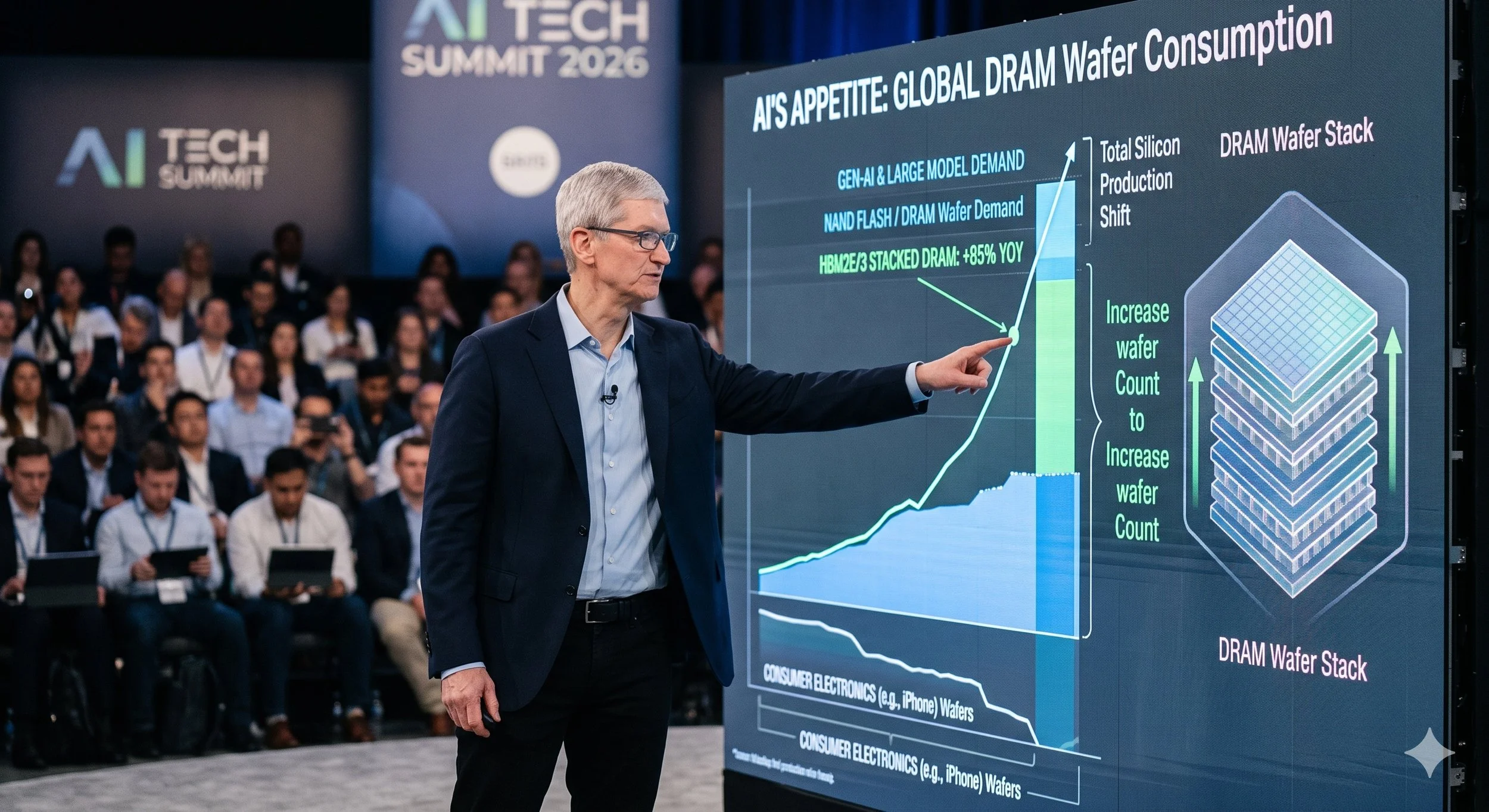
According to the rampant Internet rumors, the initial blame for the price hike is due to new tariffs or trade policy. But Apple and CEO Tim Cook have explicitly pointed directly to the component supply crunch--specifically regarding memory (DRAM) and solid-state storage (NAND flash), which, by the way, if you're a tech enthusiast or have followed the tech industry closely, you knew the price hike on Apple products was bound to happen.
If you really want to know who or what is to blame for the price hikes of Apple products, look no further than the massive, global build-out of AI data centers that have consumed the world's supply of high-end memory silicon. Many Data center contractors are bidding heavily for astronomical amounts of silicon used in devices such as desktop PCs, laptops, tablets, and smartphones. The exuberant consumption by data centers has caused prices to surge by80% to 90% in early 2026 alone.
Apple has stated, "never seen a component price increase this much, this quickly," adding that the company has absorbed the extra costs for months. It was only a matter of time before they finally passed it down to consumers, which is unfortunate. But this was expected, since Apple uses a unified memory architecture (in which RAM is fused directly onto the SOC), which is mostly sensitive to market spikes.
Take Necessary Steps to Avoid the Price Hikes
If you're in the market for a new Mac or iPad, and you absolutely need these devices, you don't have to swallow these new high prices. There is a small window to use a few strategic moves to obtain these devices.
Firstly, shop at a third-party retailer; major retailers like Amazon, Best Buy, and B&H Photo still have products on backstock purchased before the price hike. However, these vendors will eventually raise prices to match Apple's new MSRP, but for now, consumers can still find legacy stock at the former prices.
Intelligently, scour the internet for refurbished stores. Apple Certified outlets should be your ally from here on out. Currently, refurbished units have not experienced the same aggressive price hikes as brand-new units and still carry Apple's full one-year warranty.
For all my power users deciding between buying an ultra-high-end unit, like an M3 Ultra Mac Studio, and planning on routing heavy AI workloads/rendering through cloud-based servers, the cloud is most certainly the cost-effective approach in the short term.
So Here is The Conclusion
The mid-year price hike represents a sudden shift for Apple and the broader consumer hardware market. For years, premium hardware benefited greatly from the downward trend in component cost. But the insane demand from global AI infrastructure has caused a fundamental shift in the silicon economy. Consumers, creative professionals, and developers alike need to think twice before purchasing extra RAM or storage tiers, as the price premium for computer upgrades skyrockets. Take the third-party approach, as this is a temporary safety valve for now.