The Samsung Z Fold 8: To purchase or not to purchase, that is the question
Making the tough decision on whether to buy the Samsung Galaxy Z Fold 8, which, by the way, costs a whopping $1,899, comes down to what my priorities are in a foldable device. Regarding the design, Samsung has completely changed its approach, introducing a very distinctive two-tier lineup alongside the high-priced Z Fold 8 Ultra.
I'm conflicted about whether to buy the Samsung Z Fold 8, so let me outline several factors that would make me consider it and others that would keep me from making the purchase.
Why Should I Purchase
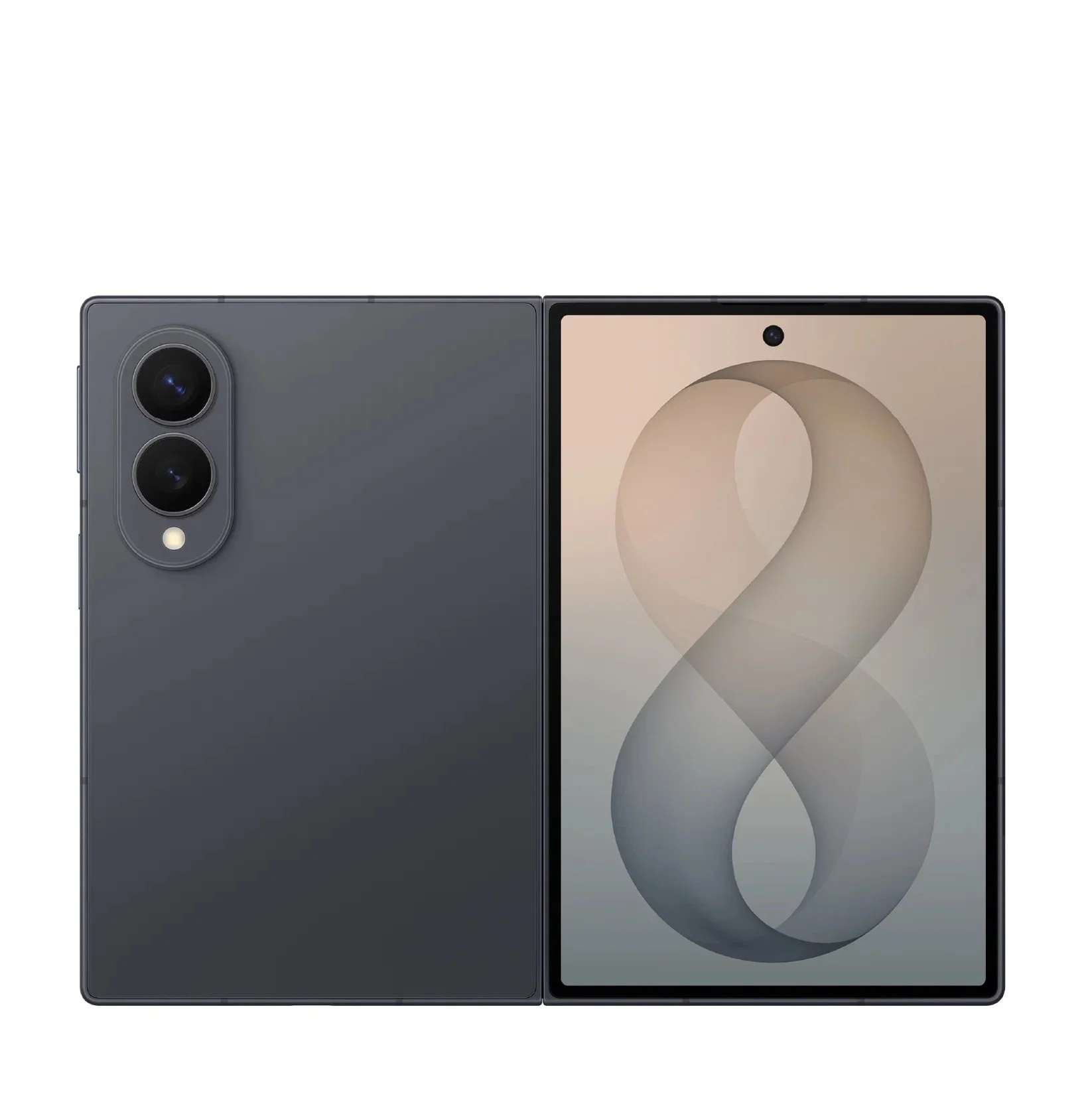
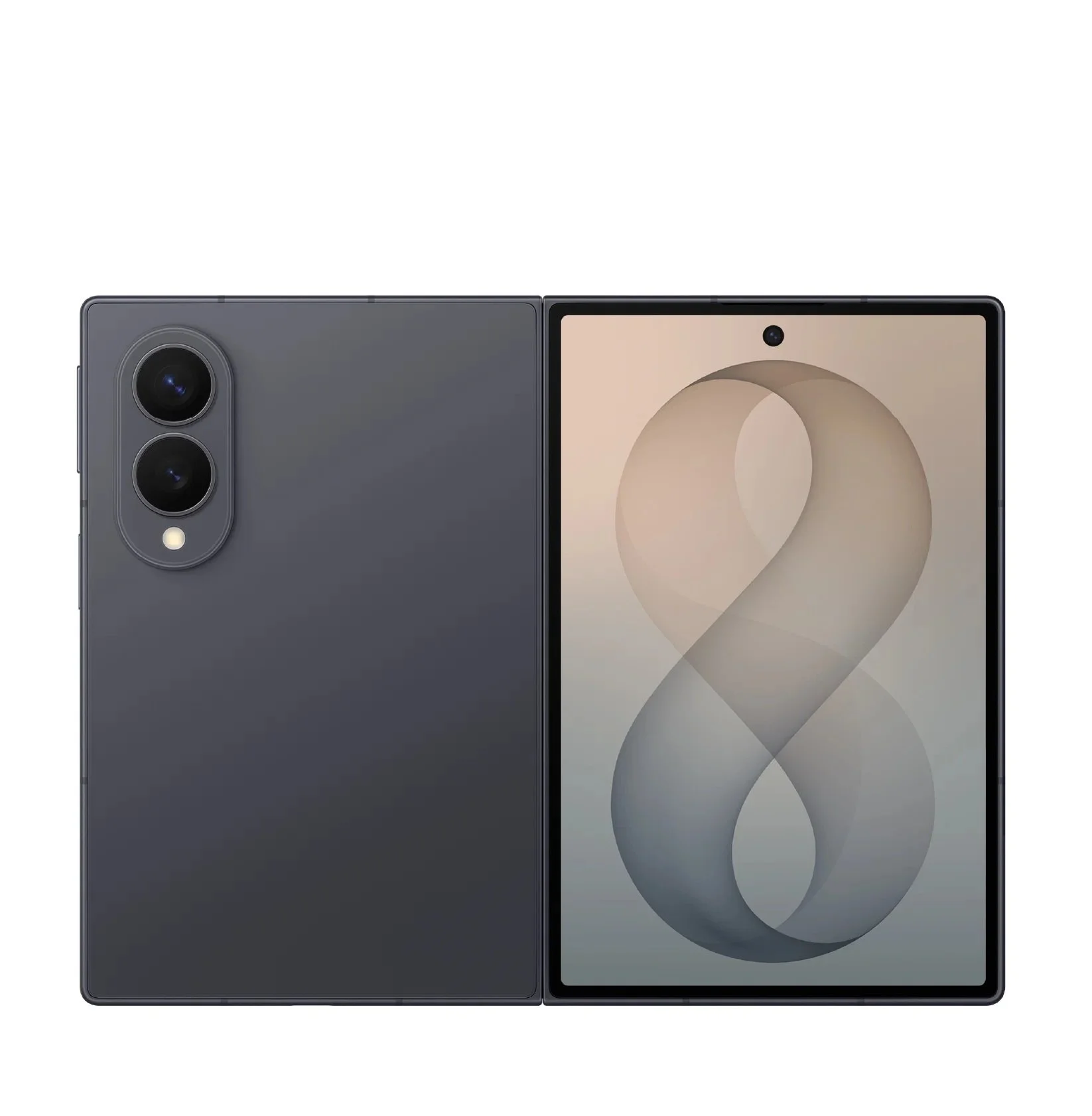
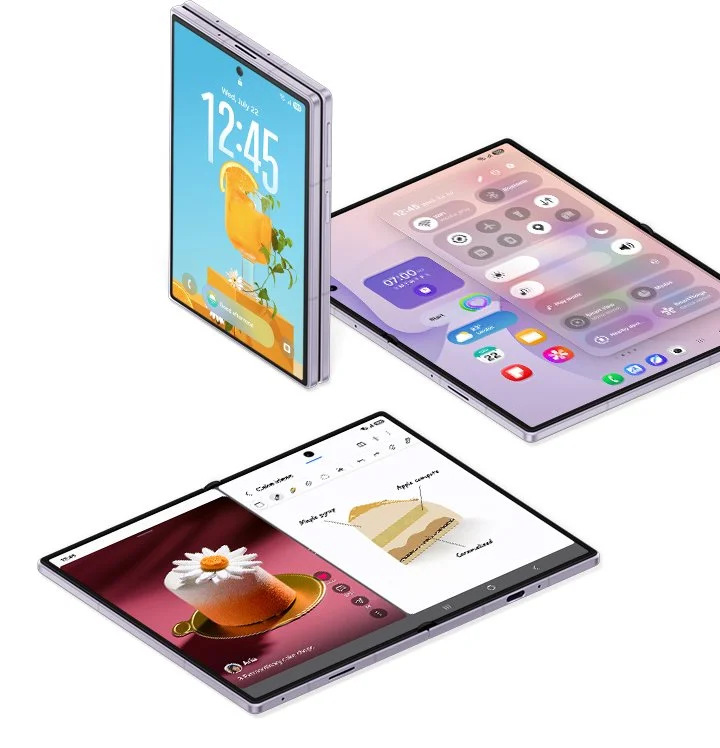
The most significant selling point of the Samsung Z Fold 8 is its "Passport" form factor, ditching the narrow, tall cover screen of the previous generation, which I might add was very unappealing. The Fold 8 features a wider 5.5-inch outer display (16:10 aspect ratio), with some saying the device feels more like a standard smartphone when closed.
The Z Fold 8, once unfolded, morphs into a 7.6-inch main screen, adopting a 4:3 aspect ratio ( similar to an iPad Mini). The wider layout makes side-by-side multitasking with three vertical apps seamless. This makes it a small tablet for productivity.
At just 201g, it is Samsung's lightest book-style foldable to date, making it far easier to hold in the hands for long sessions without any fatigue. In case you're wondering, the Samsung Z Fold 8 is powered by the Snapdragon 8 Elite Gen 5 chip, with 12GB/16GB of RAM, and offers 7 years of full software updates.
Why The Best Move is To Hold Off
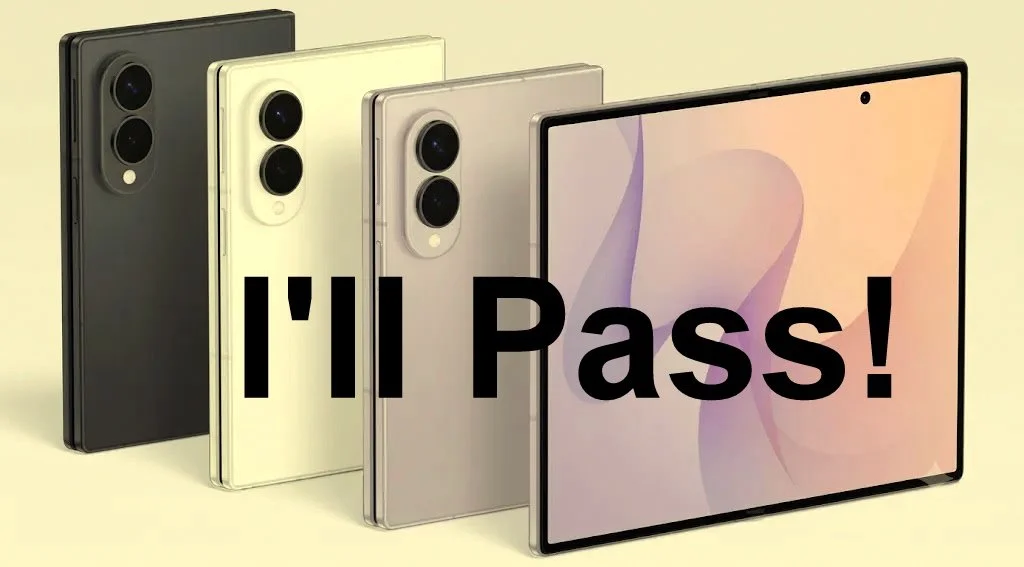
The Z Fold 8 comes with a bevy of compromises, one of which is the camera. To build a lighter frame and keep the price lower, comparable to the Ultra variant, Samsung had to scale back on high-end telephoto optics and use a smaller camera than the 200MP main sensor on the Fold 8 Ultra.
Regarding durability, the Z Fold 8 carries an IP48 rating—ideal for water protection, but limited against fine particles and dust. The device has completely lost its Flex Mode flexibility. Due to the redesign of the titanium hinge mechanism, the screen is constructed to snap fully open or shut, making angled "laptop-style" Flex Mode harder to set.
So The Decision is this
If I want a compact, pocketable tablet experience with an outer screen that actually works for everyday typing and web browsing, the Z Fold 8 will definitely be a tempting option. However, the downside is the camera, especially if I rely heavily on a smartphone with top-tier zoom capabilities. In addition, the battery life is shorter than that of the Ultra model. Even though the Z Fold 8 is eye candy from a design perspective, it lacks certain features I look for in a premium smartphone, especially if the asking price is almost $2,000.