Five Reasons You Should Give Linux a Try and One Reason Why you Shouldn't
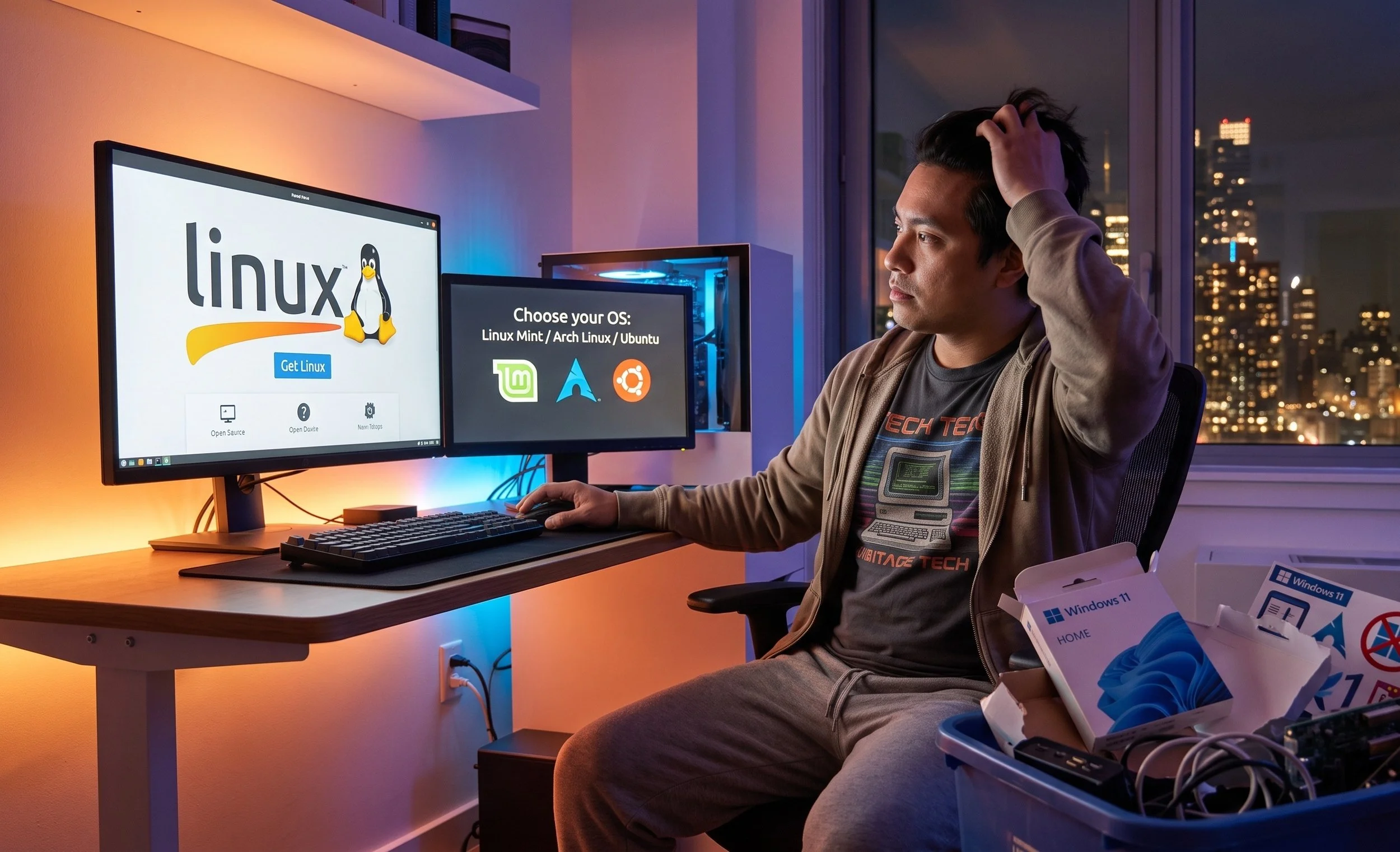
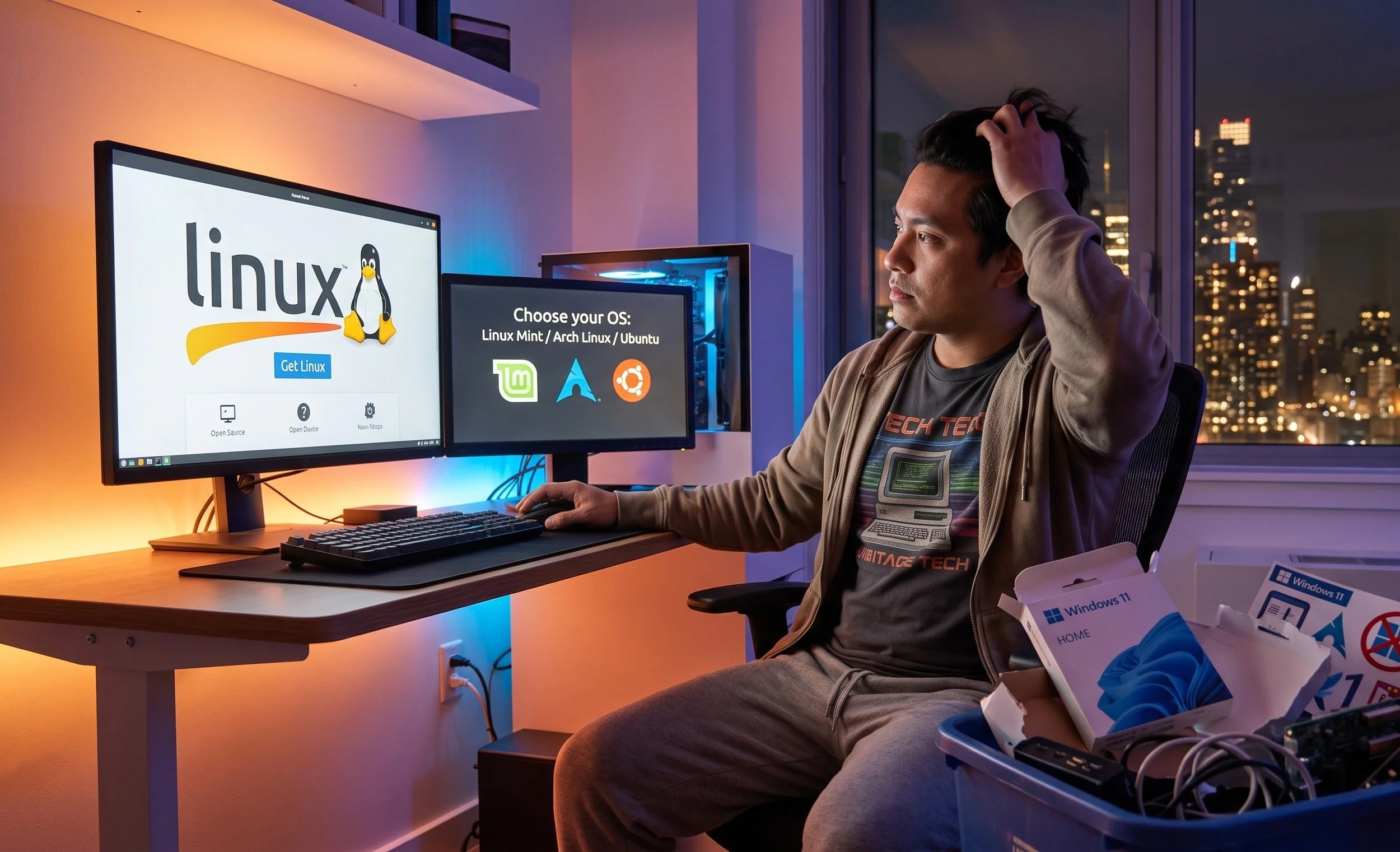
For years, Windows and macOS have held the mantle of being the go-to operating systems for personal computing. However, Linux- the open-source kernel that powers everything from supercomputers to web servers- offers a compelling alternative for desktop users like myself.
Suppose you’re considering using Linux. Here are five reasons why you should give it a try, and one reason why you shouldn't.
1: Full OS Customization and Control
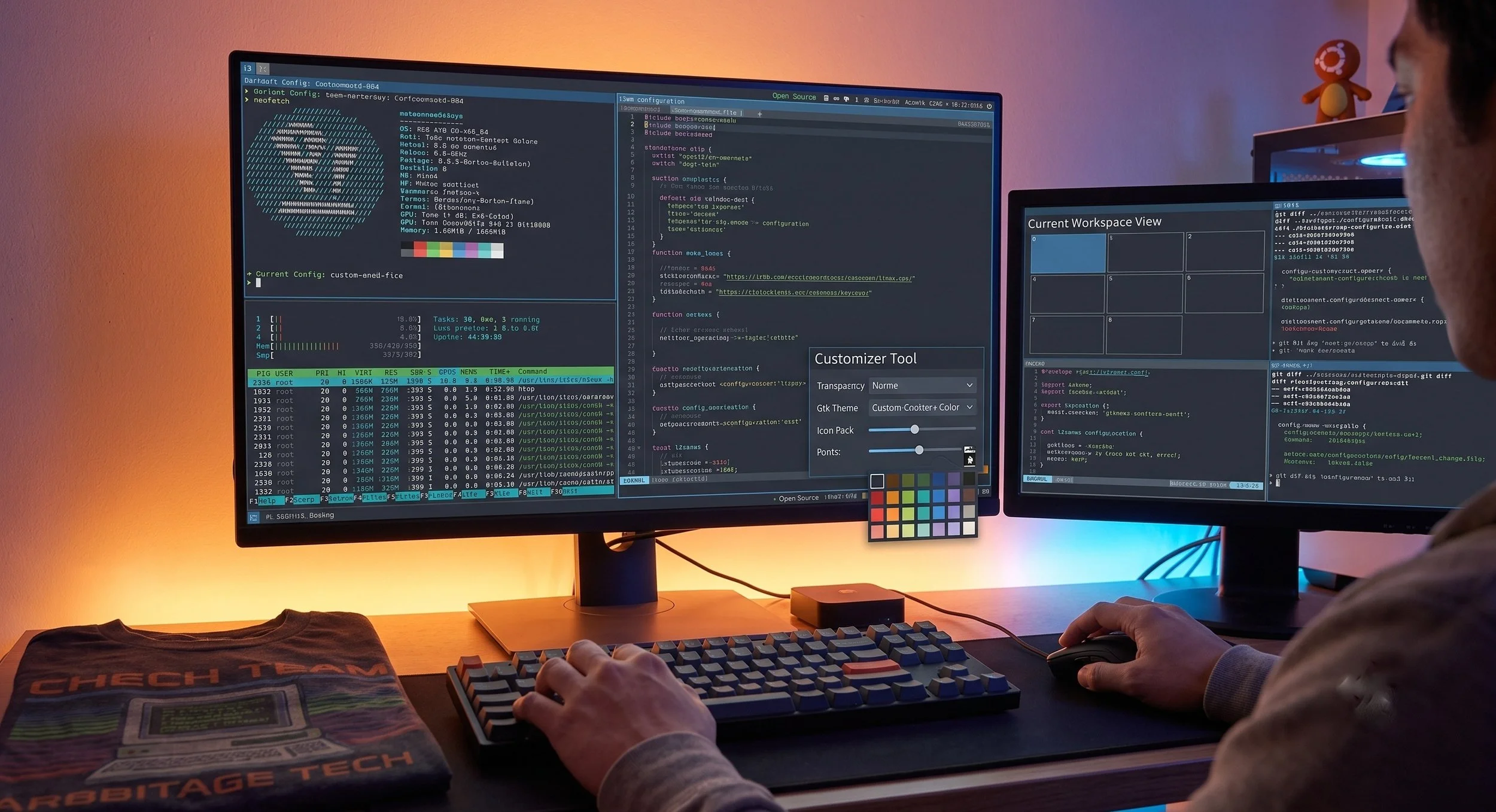
Unlike Windows and macOS, which chain down their user interfaces, Linux gives users full ownership of their digital environment. Users can choose from various desktop environments- such as GNOME, KDE Plasma, or XFCE- tailoring aesthetics, hotkeys, and workflow layouts down to every single pixel.
2: Less Taxing on The Hardware
One significant benefit of Linux is that, unlike Windows or macOS, it is lighter on the operating system. You don't need to upgrade to an ultra-fast processor or a high-end graphics card. If anything, using Linux can extend the life of aging laptops and desktops, even with limited RAM. In actuality, older hardware performs well when using Linux.
3:Open Source Freedom Cash not needed
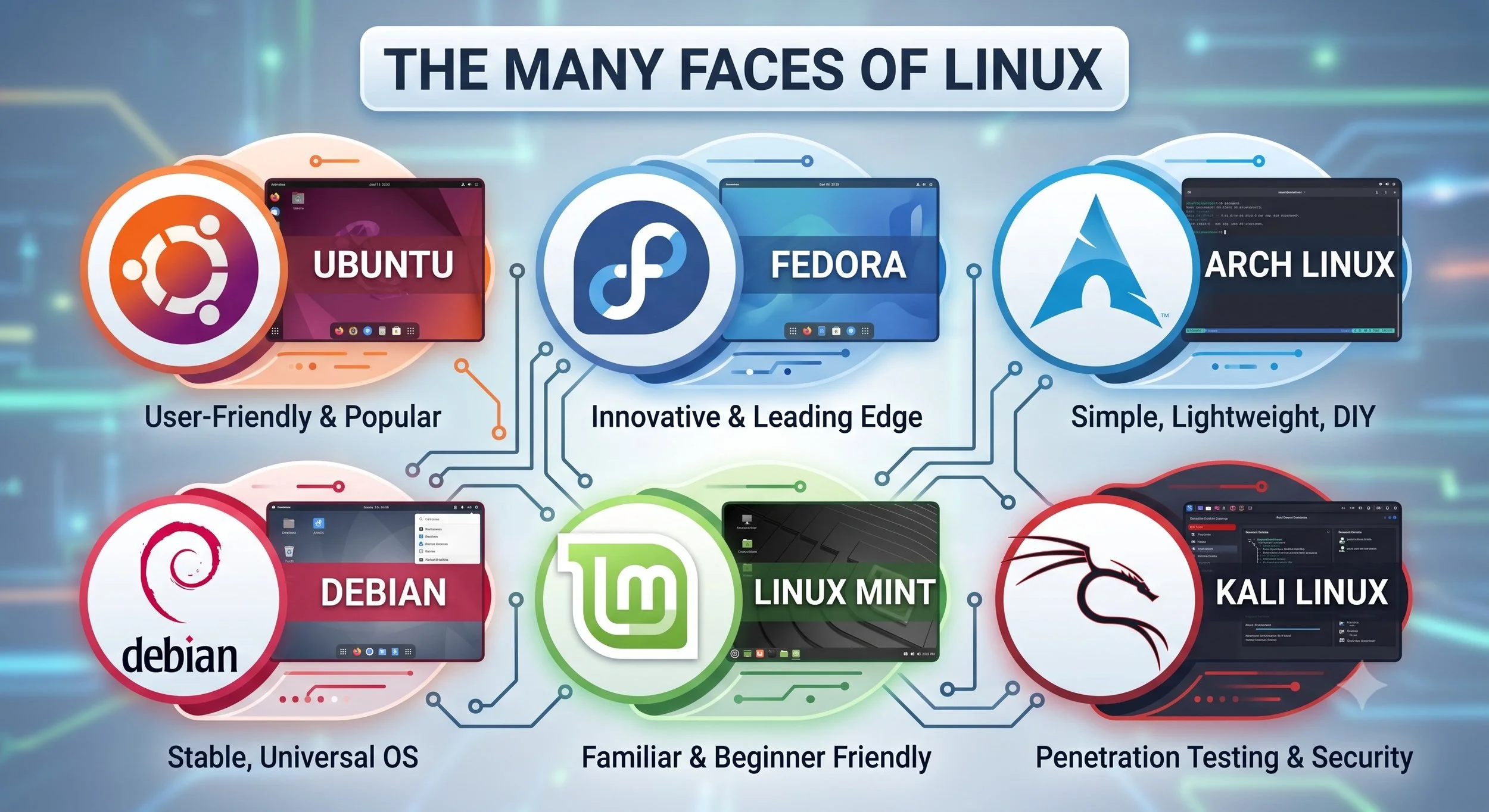
Almost all major Linux distributions (distros)—like Ubuntu (which is my favorite), Fedora, and Linux Mint—are free of charge and open source. You get a fully enterprise-grade operating system without license fees, no bundled bloatware, and transparent codebase integrity maintained by the global community.
The Secured Architecture
Linux manages user permissions and core architecture very effectively. This makes it resistant to most malware attacks that typically target consumer-based systems. Unlike other operating systems, Linux distributions do not track users' data.
Developer Power User Tools
Linux is ideal for software development, command-line operations, and system administration, offering native tools that surpass those of other operating systems. The package manager feature alone makes updating, compiling, and deploying software much faster and more efficient.
One Reason Why I Shouldn't Try Linux
The main reason to avoid switching to Linux entirely is that it has software and hardware incompatibility issues. Many users’ daily routine relies heavily on industry-standard applications or modern PC gaming features; switching to Linux would likely disrupt user workflow.
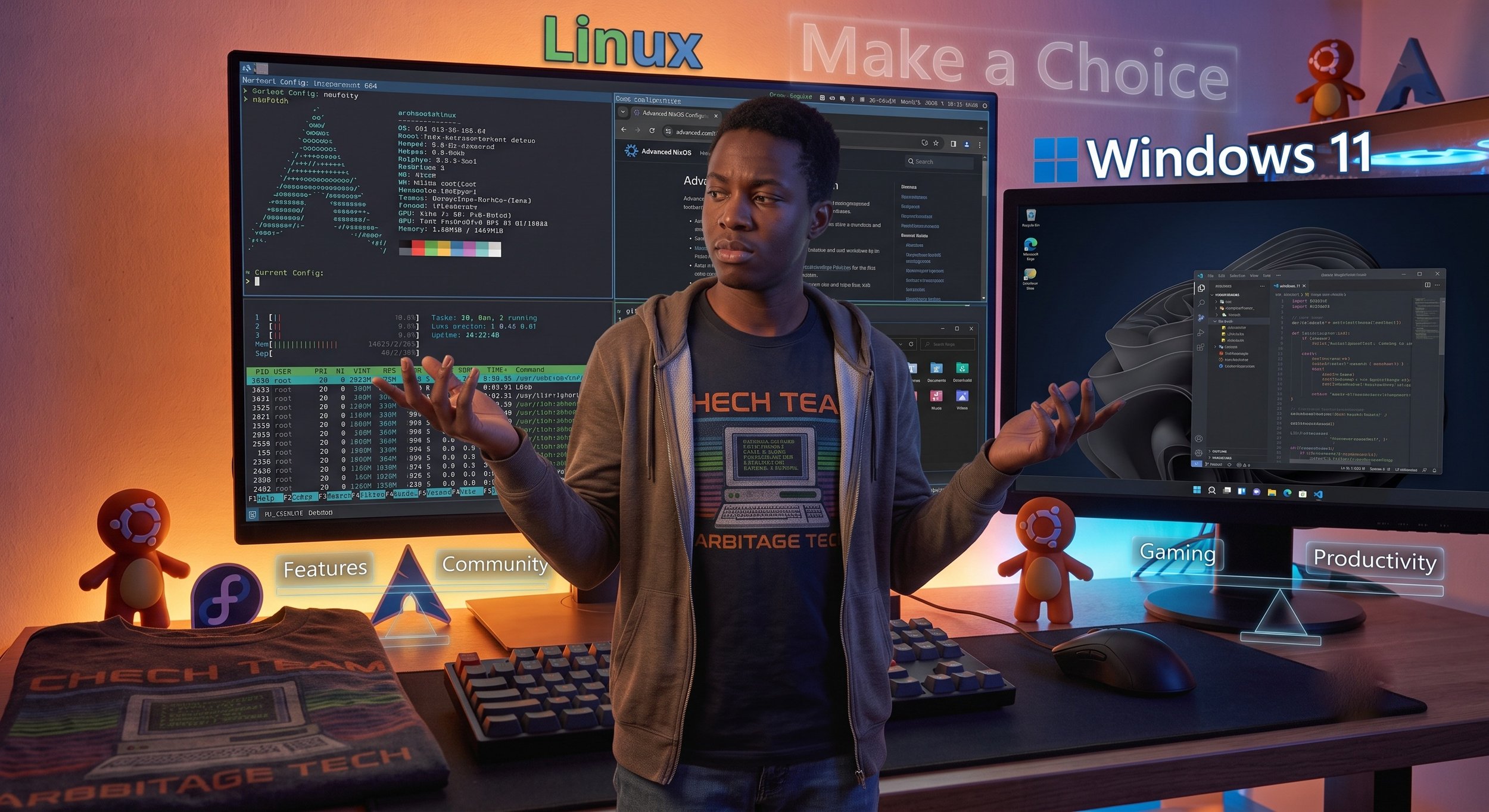
Proprietary applications like Adobe Photoshop and Premiere, and Microsoft Office, will not run natively on Linux. While there are web versions or open source alternatives, they do not offer one-for-one feature parity. And you can forget about competitive gaming; popular multiplayer games like Fortnite or Call of Duty use aggressive, kernel-level anti-cheat systems that block Linux, making it unplayable even if you use compatibility tools like Steam's Proton.
Even peripheral drivers for specialized hardware are rendered useless on Linux. Custom RGB controllers, macro-heavy gaming mice, specialized audio interfaces, or printing software lack official Linux control software from manufacturers.
Conclusion: Let's look at it from both sides
Having used Linux for the past few months off and on, I've seen the OS dramatically evolve in recent years. Today, distributions are more polished, with an out-of-the-box user experience, seamless application management, better support, and surprisingly improved gaming capability similar to Steam's Proton. If you value a modern, fast operating system that honors your privacy and gives complete control over features without the dreaded forced updates or bloatware, Linux is the clear choice, especially since it's more accessible than ever.
On the other hand, if your daily workflow depends solely on specific proprietary software that involves content creation or building spreadsheets, like Adobe Creative Cloud Suite or Microsoft Office, or you're a dedicated gamer who relies on enforced strict kernel-level anti-cheat systems, then you don't need to use Linux; stick with Windows.