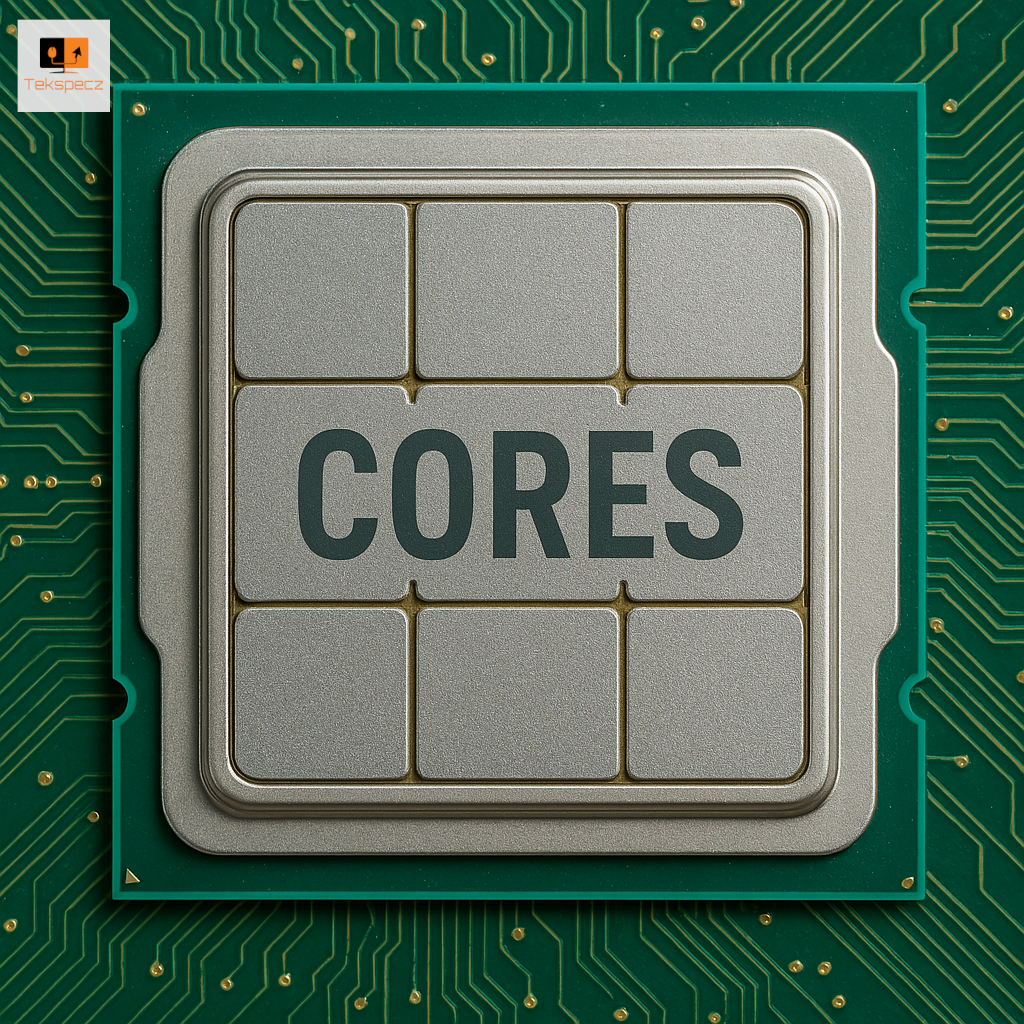
Explanation Needed: What Are CPU Processor Cores
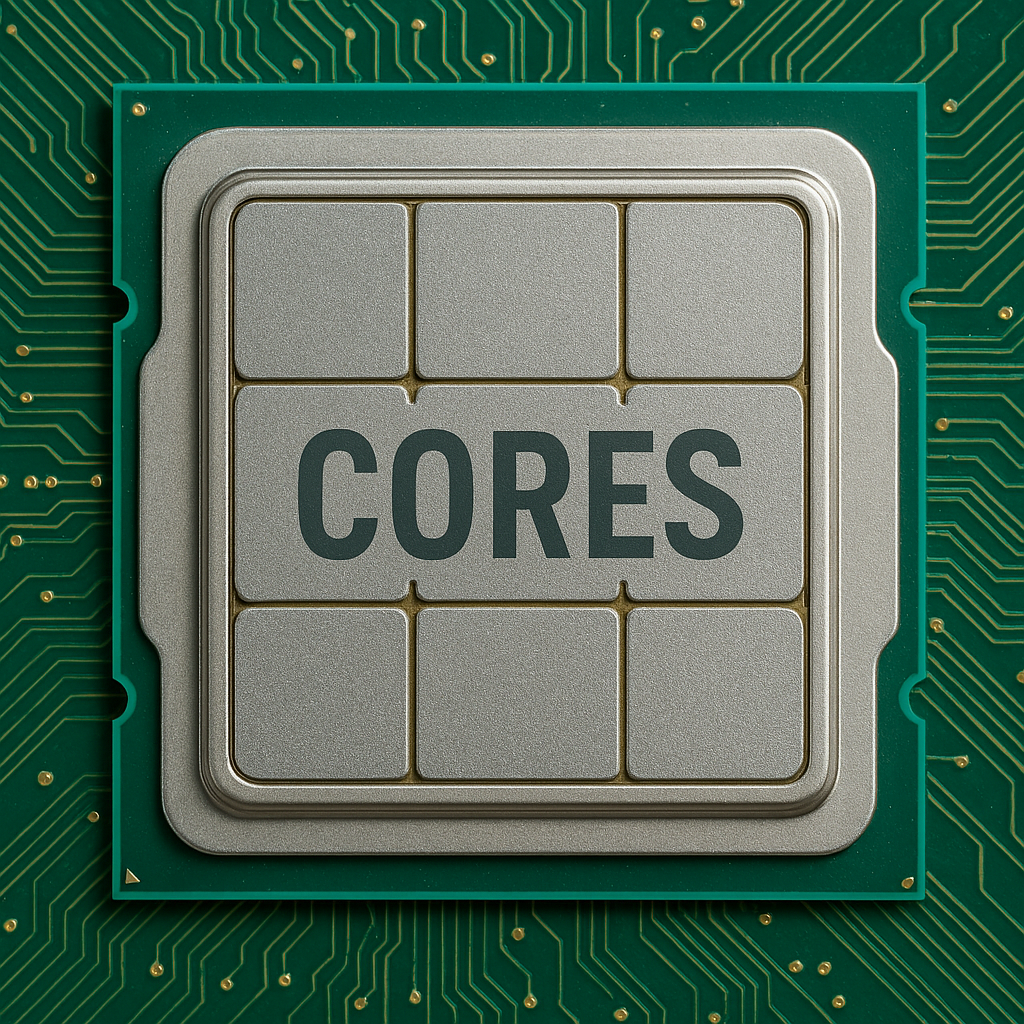
When you view a spec sheet regarding a processor or hear people talk about a computer's "cores", they're referring to an independent processing unit within the CPU (central processing unit) that acts as the proverbial brain of the system. Each Core is quite capable of executing instructions, performing complex calculations, and handling a single task independently. In this new monthly edition of Explanation Needed, I'll explain the functionality of the processor cores and why they matter.
First, the Basics of Processing Cores
The Core is essentially a smaller CPU within a larger processor package. Early computers had single-core processors, meaning only one instruction could be executed at a time. Today, modern CPUs are multicore, often with two, four, or even dozens of cores operating in unison.
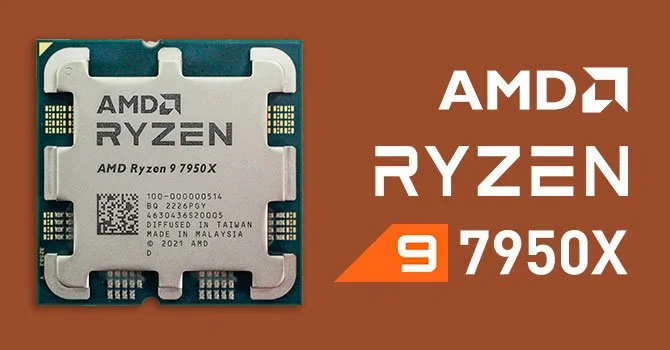
This is a unbelievably powerful AMD Ryzen 9 7950X 16-core processor
Why does Cores Actually Matter?
The primary benefit of CPUs having cores is multitasking. More cores will allow your system to run multiple applications seamlessly. For example, streaming music while editing software and browsing the web simultaneously is achievable. Tasks such as video editing, 3D rendering, and high-performance gaming benefit from multicore CPUs, mainly because each task can split its workload across cores.
Cores efficiently distribute operating system tasks intelligently, balancing workloads so no individual core is overloaded.
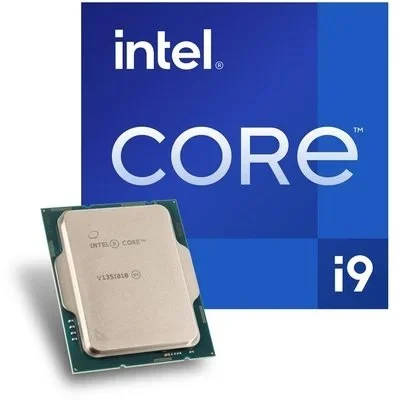
This is an even more powerful Intel Core i9-14900K 6GHz 24-core processor
Let’s Put Core Count in Context
Two cores (dual-cores) are typically used for everyday tasks such as web browsing, email, and office tasks. You'll find four-core (quad-core) processors in systems used for gaming and creative work, handling heavier workloads. Then we have the 8-plus cores. These processors are in systems geared for professional video editing, 3D modeling, and scientific computation. Call it high-performance parallel processing.
Let’s Go Beyond The Numbers
It's tempting, actually, to think "more cores equate to better performance," but it's not always that simplistic. Software must be written to take advantage of multiple cores. For example, games optimized for four cores won't necessarily run faster on a 16-core processor. Likewise, everyday tasks like sifting through emails will see minimal benefits from extra cores.

What is the Future of Processing Cores?
As technology continues to advance, manufacturers such as AMD and Intel are producing CPUs with more cores than ever. Server-grade processors house dozens, even hundreds, of cores, powering cloud computing and AI workloads. For everyday users, the sweet spot lies in balancing Core count with clock speed, energy efficiency, and software optimization.
Enclosing...
You can never underestimate the true power of the processor cores; they're the invisible engines that drive modern computing. Whether you're a casual user or a power-using gamer, understanding processing cores helps you make wise consumer choices about hardware — and computers alike. Let's appreciate the parallel power after each mouse movement and keyboard stroke.