Hardware Pick of the Week: ASUS SFF-Ready Prime NVIDIA GeForce RTX 5060 8GB GDDR7
The day NVIDIA launched the Blackwell mid-range line of GPUs, the conversation among tech enthusiasts centered on the frame-rate gains of DLSS and fifth-gen Tensor cores. But as a PC builder, my focus is on performance, execution, and how well AIBs (Add-in Board partners) translate the silicon.
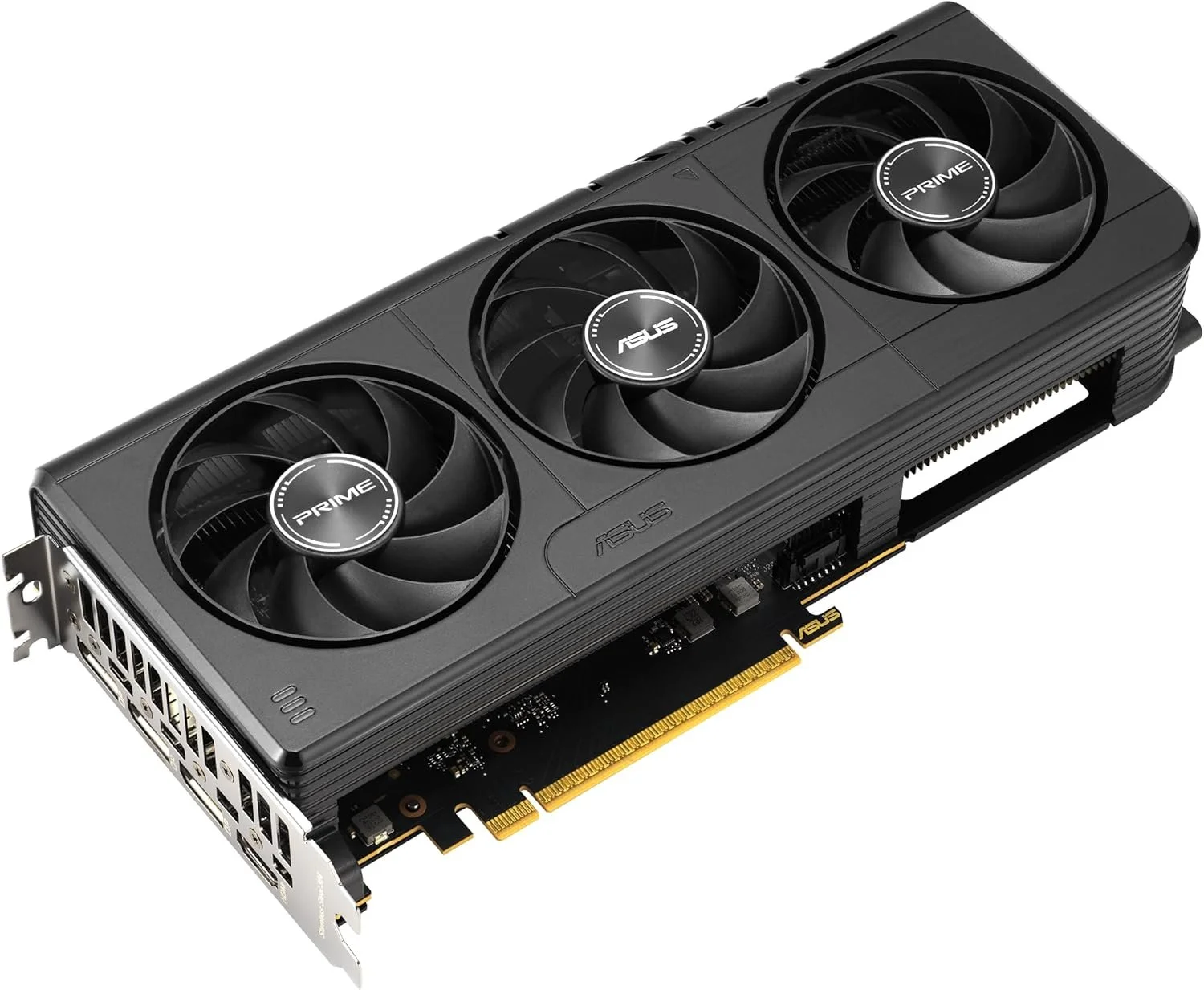
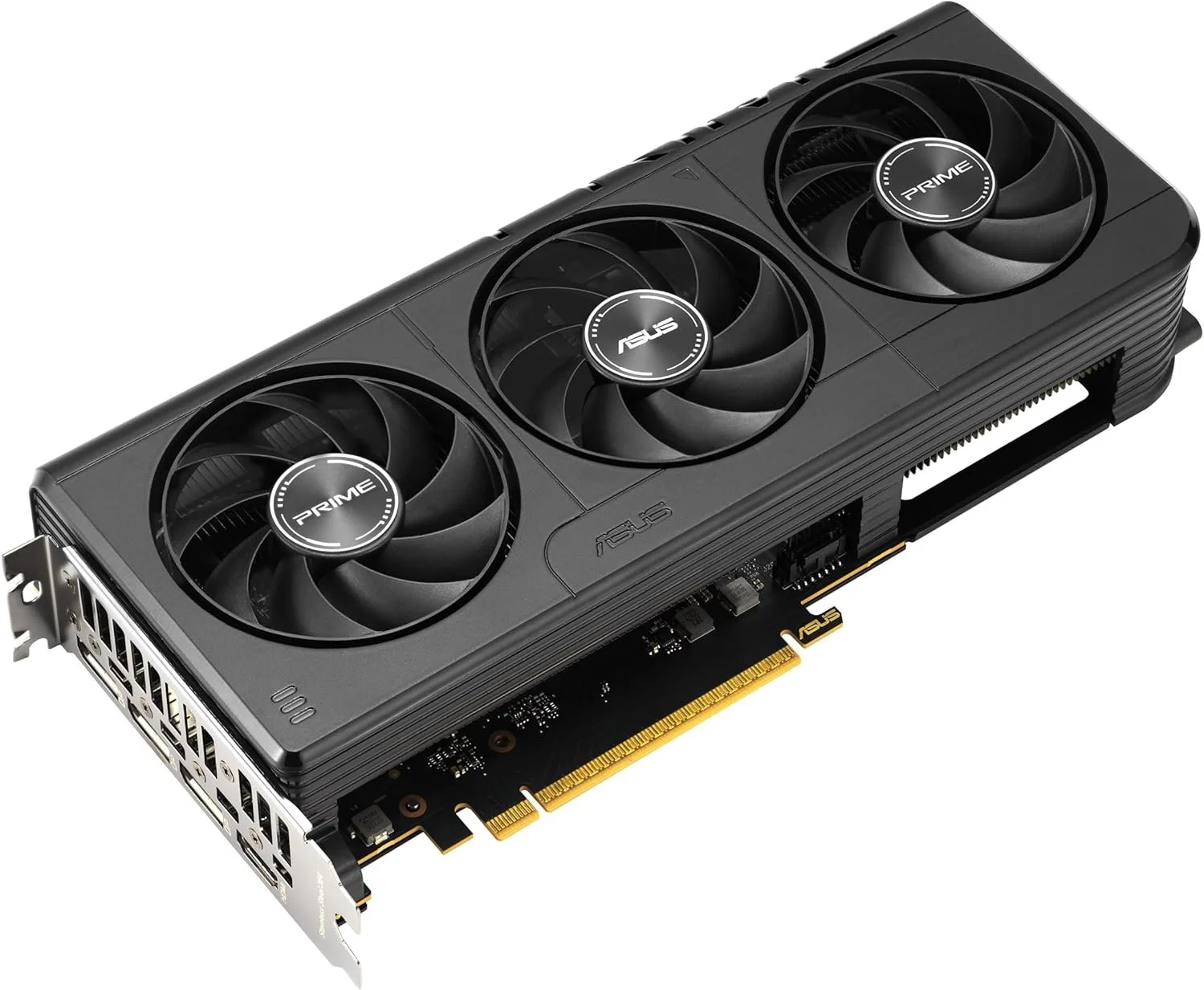
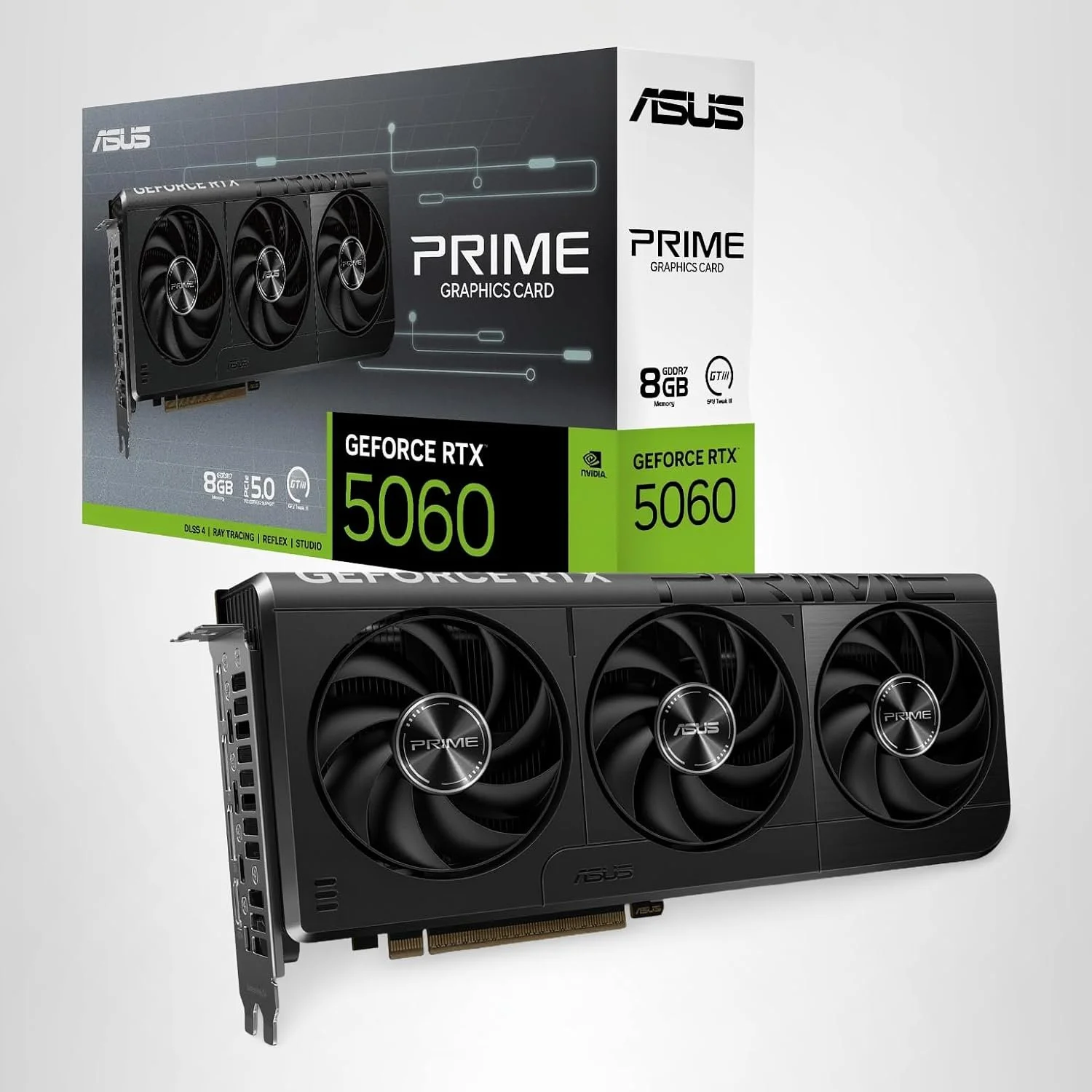
By the way, this week's hardware pick is a graphics card, the ASUS Prime GeForce RTX 5060 8GB GDDR7. It's not one of the flashiest cards on the market, but it gets the job done, representing a masterclass in engineering for the growing Small Form Factor community.
With that said, here is why the graphics card has earned the top spot as my favorite PC component this week.
The Graphics Card is SFF-Ready Without "Mini" Compromises
When you build compact PCs, you're usually forced to choose between a graphics card with a loud, single-fan "mini" design and a massive triple-fan shroud that requires a large case. However, ASUS perfected the graphics card's design.
By optimizing around NVIDIA's official "SFF-Ready" guidelines, the features are highly compatible with a 2.5-slot profile and length measuring just 268mm (10.6 inches).
To ensure the thermal components enable users to fit the card inside an SFF case, ASUS installed three premium Axil-tech fans with dual-ball bearings, intelligently utilizing the chassis side panel ventilation, meaning users get the dissipation of the card inside a footprint that can easily be installed into a compact ITX case like the Terra or A4-H2O.
The Paradigm Architecture Shift
Under the hood, the Blackwell GB206 GPU brings a series of foundational upgrades that take a massive step forward over previous-gen graphics cards. It features Next-Gen memory bandwidth, with 8GB of GDDR7 on a 128-bit bus, which appears modest on paper, but because the card's GDDR7 operates at a very fast 28 Gbps, the memory bandwidth exceeds 448 GB/s. Eliminating the 1080p/1440p texture streaming bottlenecks that usually plague older mid-range cards.
The card's impeccable bus and power efficiency is due in part to the modern PCIe 5.0 x8 interface, which draws a TDP of just 145W. Running seamlessly off a single, traditional 8-pin power connector—saving users from having to contend with an inflexible 12V-2x6 or 12VHPWR adapters in less spacious SFF chassis.
The Card is Ideal for Local AI and Creative Workflows
While the card is intended for staunch gamers, it's also an entry-level powerhouse for local AI workstations and developer projects. It delivers 613-630 AI TOPS via its 5th-Gen tensor cores, natively supporting FP4 precision. Users can effortlessly and quickly run quantized Local Models and local diffusion tools on a sub-$400 GPU.
My Final Thoughts...
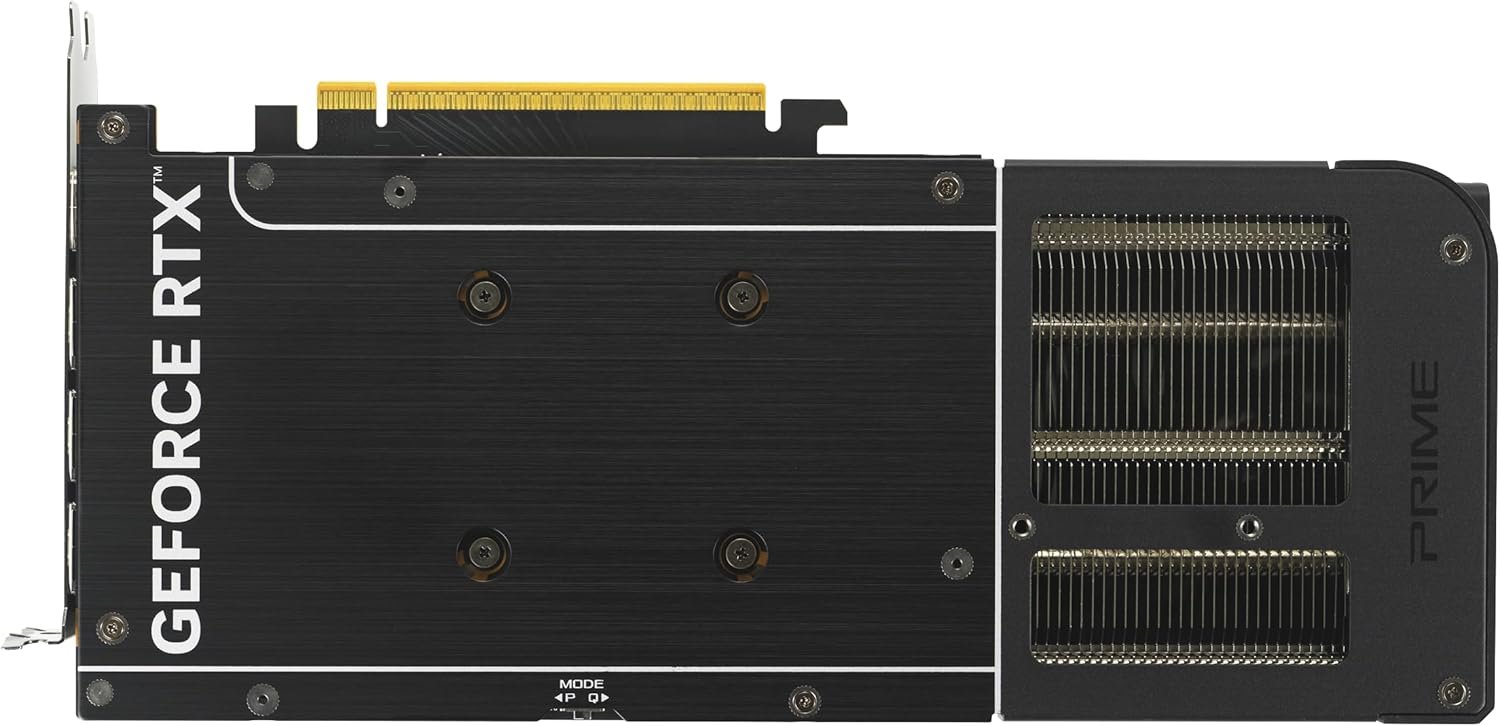
At just $389.99 on Amazon, the ASUS Prime RTX 5060 is a perfect example of how a mid-range graphics card can deliver optimal performance in gaming and AI operations. By combining a rigid metal backplate and a physical Dual BIOS switch, users can easily toggle to a silent acoustic curve. Overall, we have a well-rounded, builder-friendly card.