Here are The Architectural Highlights of Apple's A20 Pro Chip
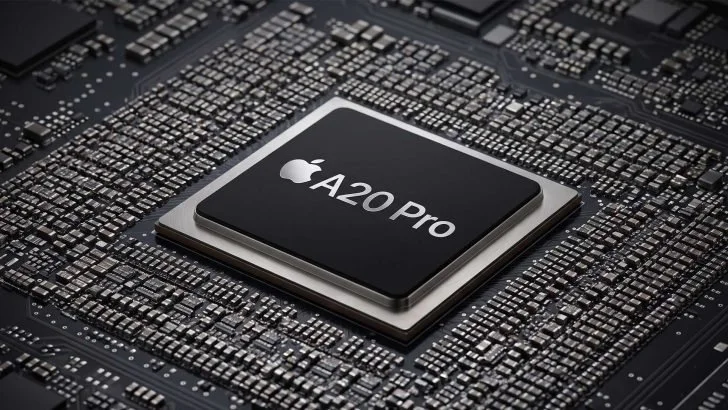
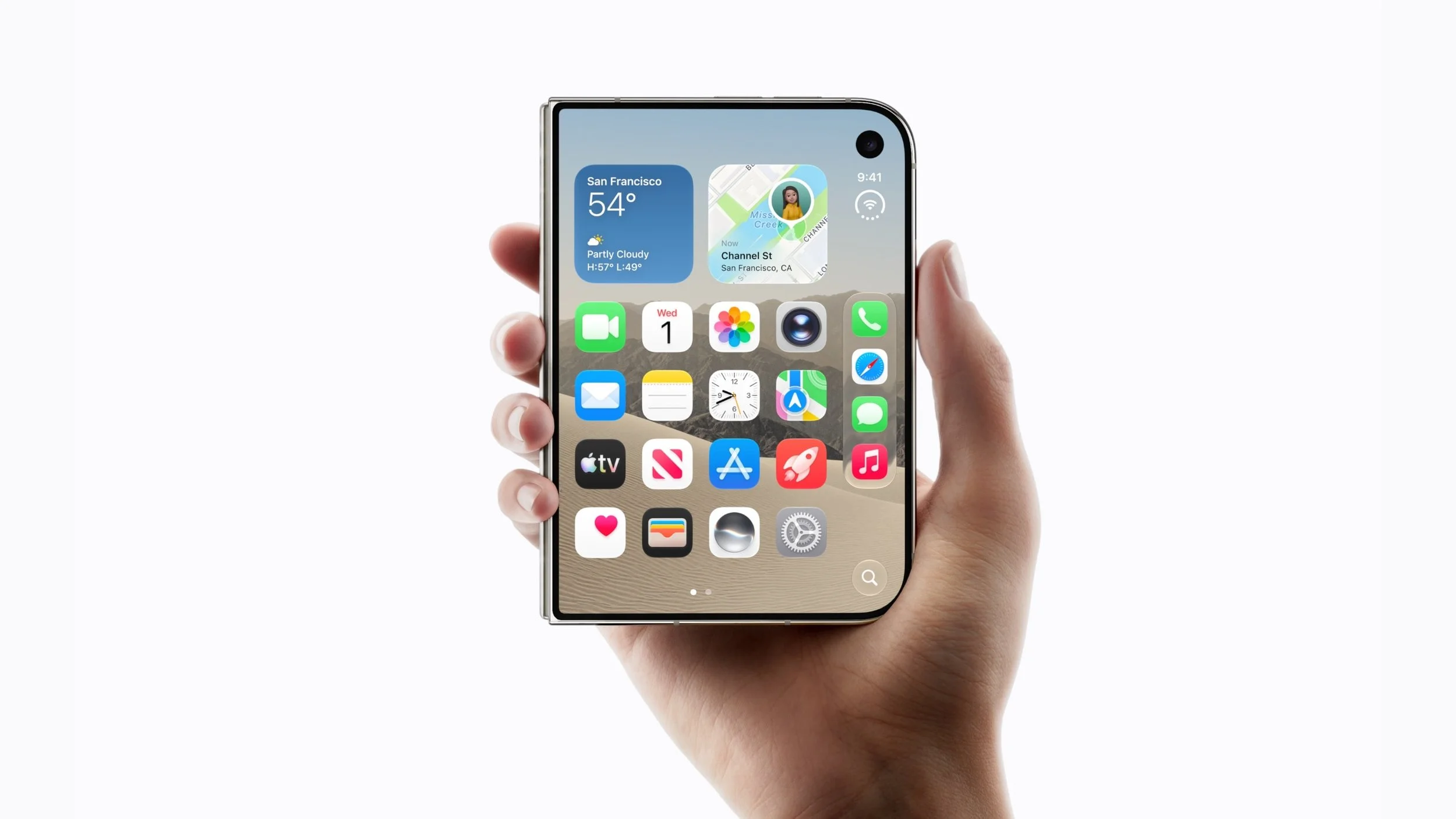
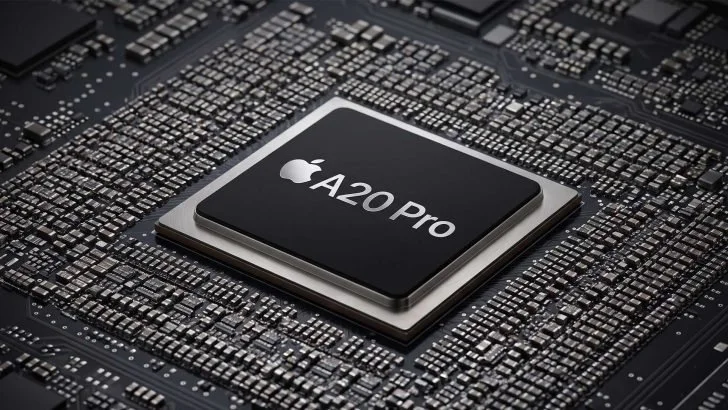
The A20 Pro debuted in the iPhone Duo (and iPhone 18); it is Apple's first mobile system-on-chip on TSMC's next-generation 2-nanometer (N2) node. What's unique is that, rather than scaling clock speeds, Apple redesigned the physical packaging and widened memory bandwidth to remove data bottlenecks for local AI. Let's highlight the A20 Pro's core components.

The Physical Packaging
Moving directly away from standard Package-on-Package packaging, Apple has adopted Wafer-Level Multi-Chip Module (WMCM) technology. This places the LPDDRX5 DRAM dies alongside the compute die, reducing vertical heat trapping, improving heat dissipation, and maintaining clock stability under heavy load.
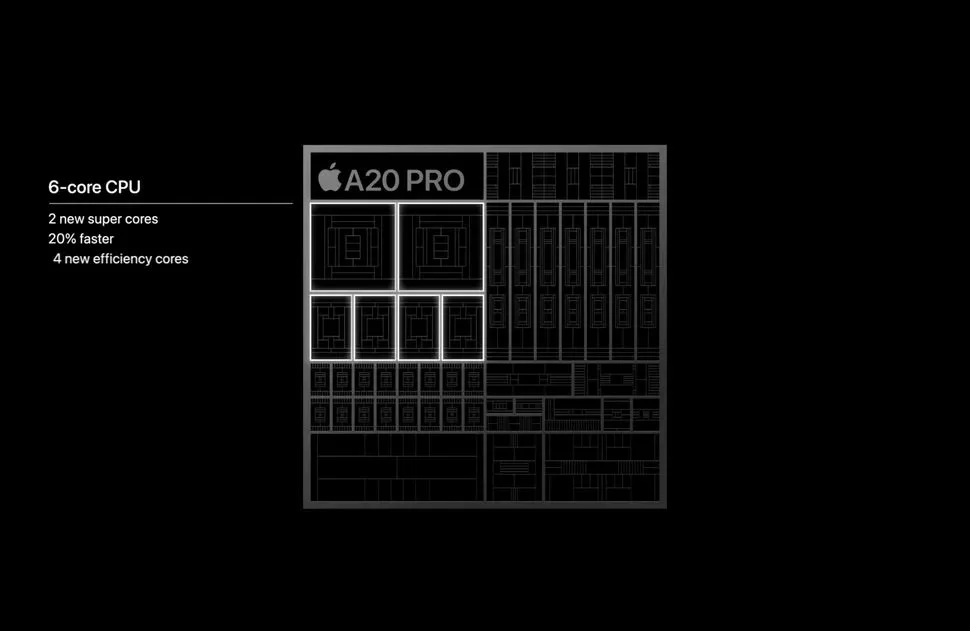
Image Source: Apple
The CPU "Super Cores"
With the neutral accelerators, Apple abandons the traditional performance/efficiency core balance, replacing it with two high-frequency "Super Cores" paired with four high-efficiency cores. Each CPU core also includes a dedicated matrix math/neutral accelerator to run small inference operations without relying on the NPU.
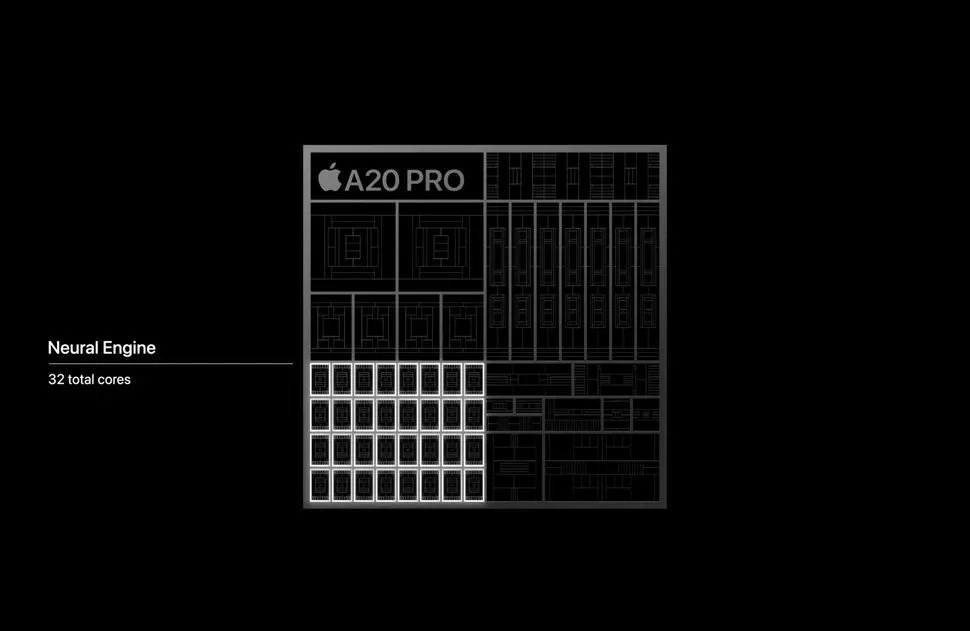
Image Source: Apple
The Dual-Block NPU
To process large-parameter models directly on the device, the Neural Engine must double from 16 cores to 32 cores across two synchronized 16-core clusters, effectively doubling FP12/INT8 AI throughput.
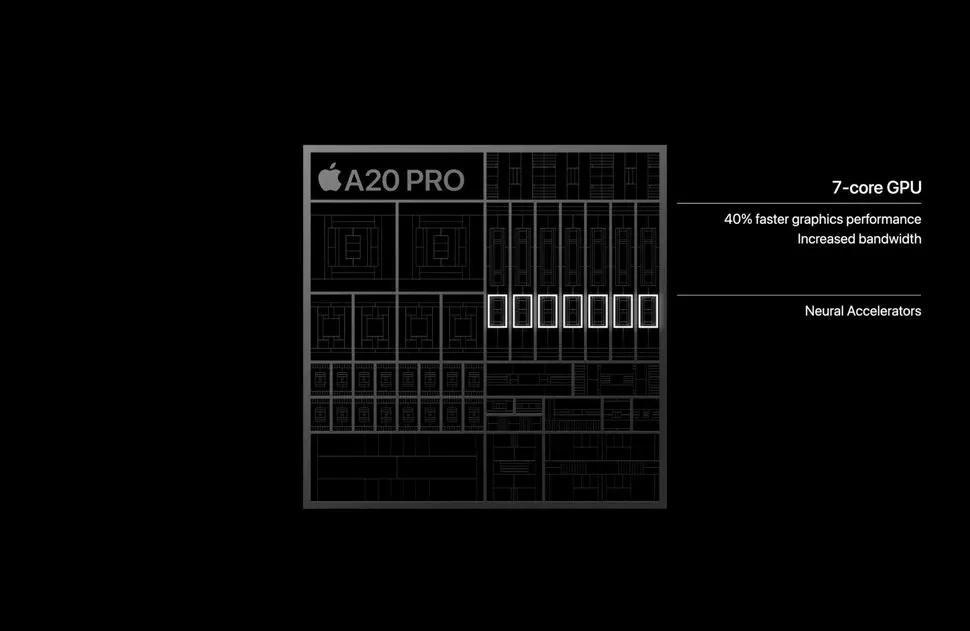
Image Source: Apple
The 96-bit Memory Bus
To feed the widened 7-core GPU and dual NPU blocks, Apple widens the memory bus from 64-bit to 96-bit. This delivers up to 115GB/s of unified bandwidth, eliminating the primary memory-bound bottleneck common in on-device LLMs and real-time computational photography pipelines.
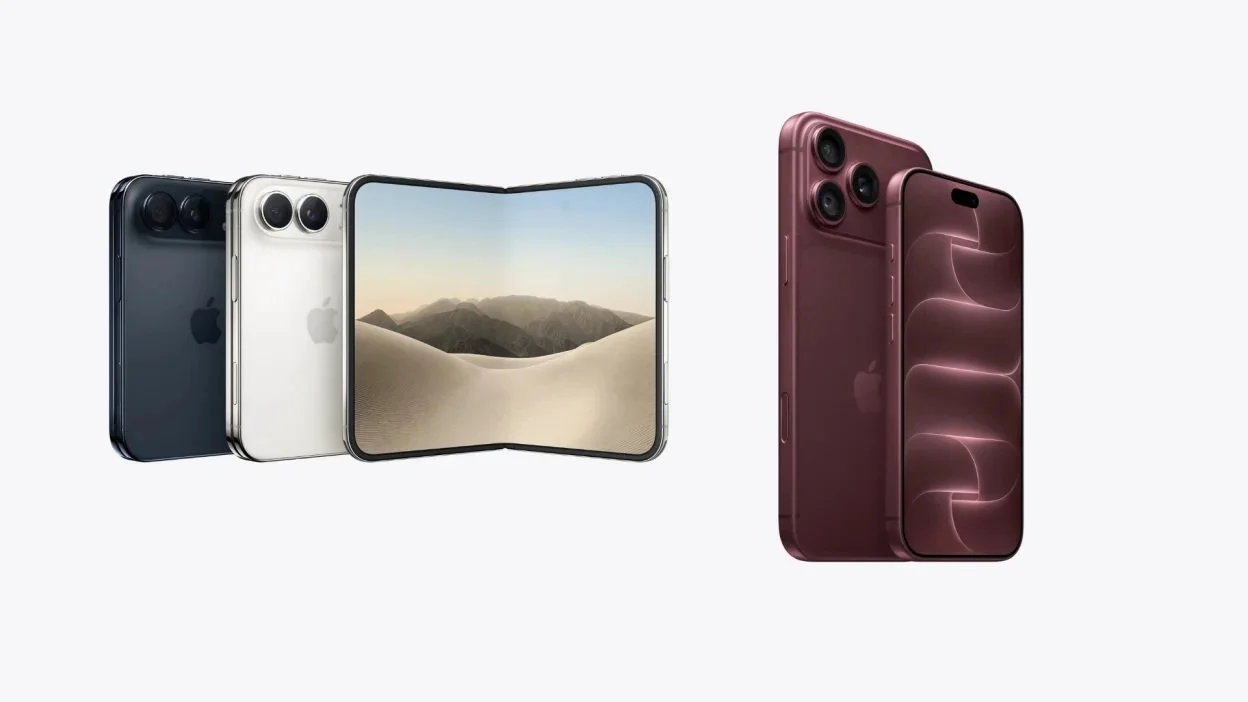
The A20 Pro chip made it’s debuted in both the iPhone 18 Pro and iPhone Duo
In Summary
Pairing a shrunken 2nm node with WMCM packaging and a much wider 96-bit memory bus is an engineering feat from Apple. The strategy to shift the A20 Pro from chasing isolated clock speeds to resolving memory bottlenecks establishes a sustained compute architecture built primarily for on-device AI.