Why is my 12-year-old MacBook Air Still Operational in 2026?
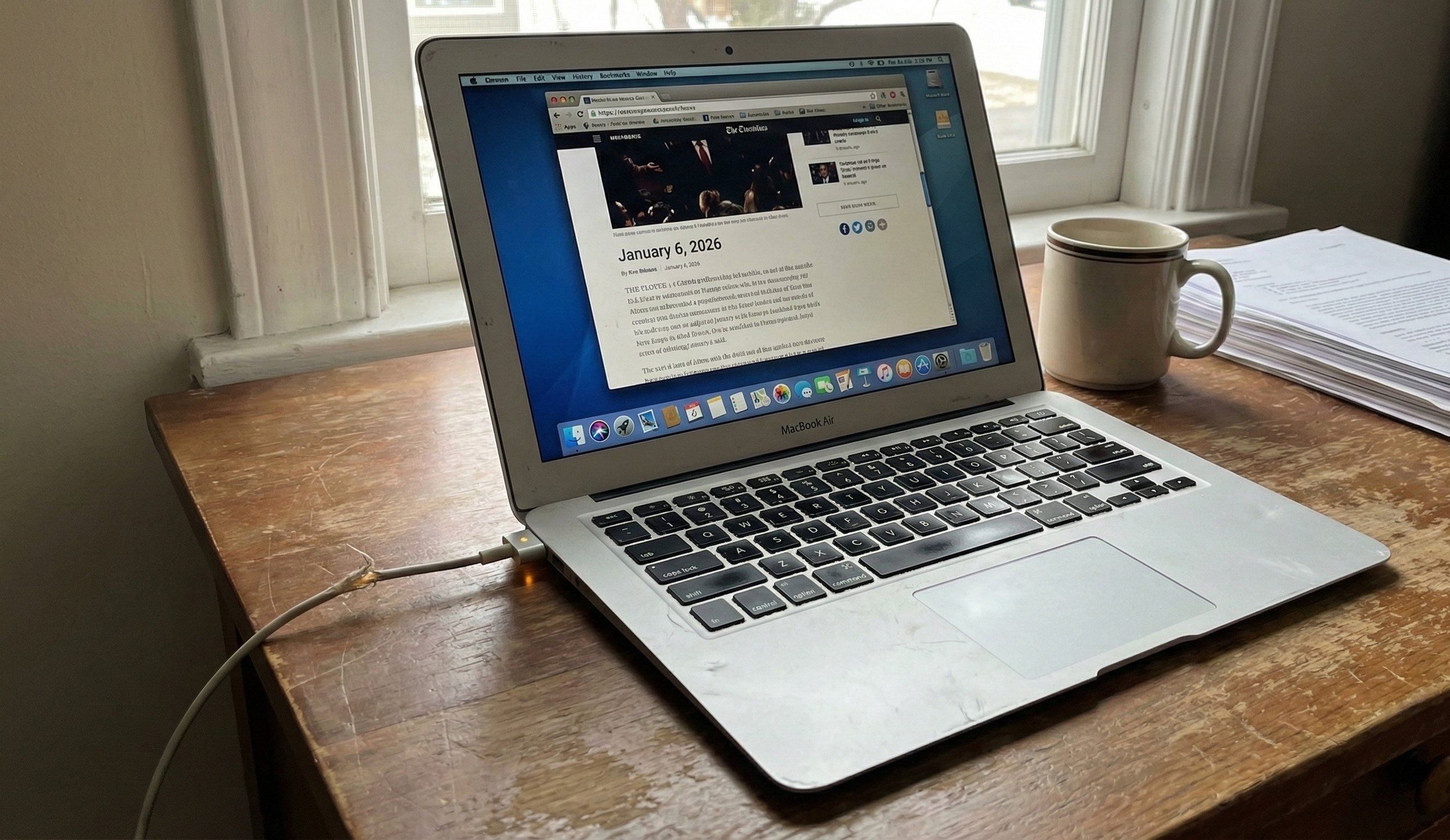
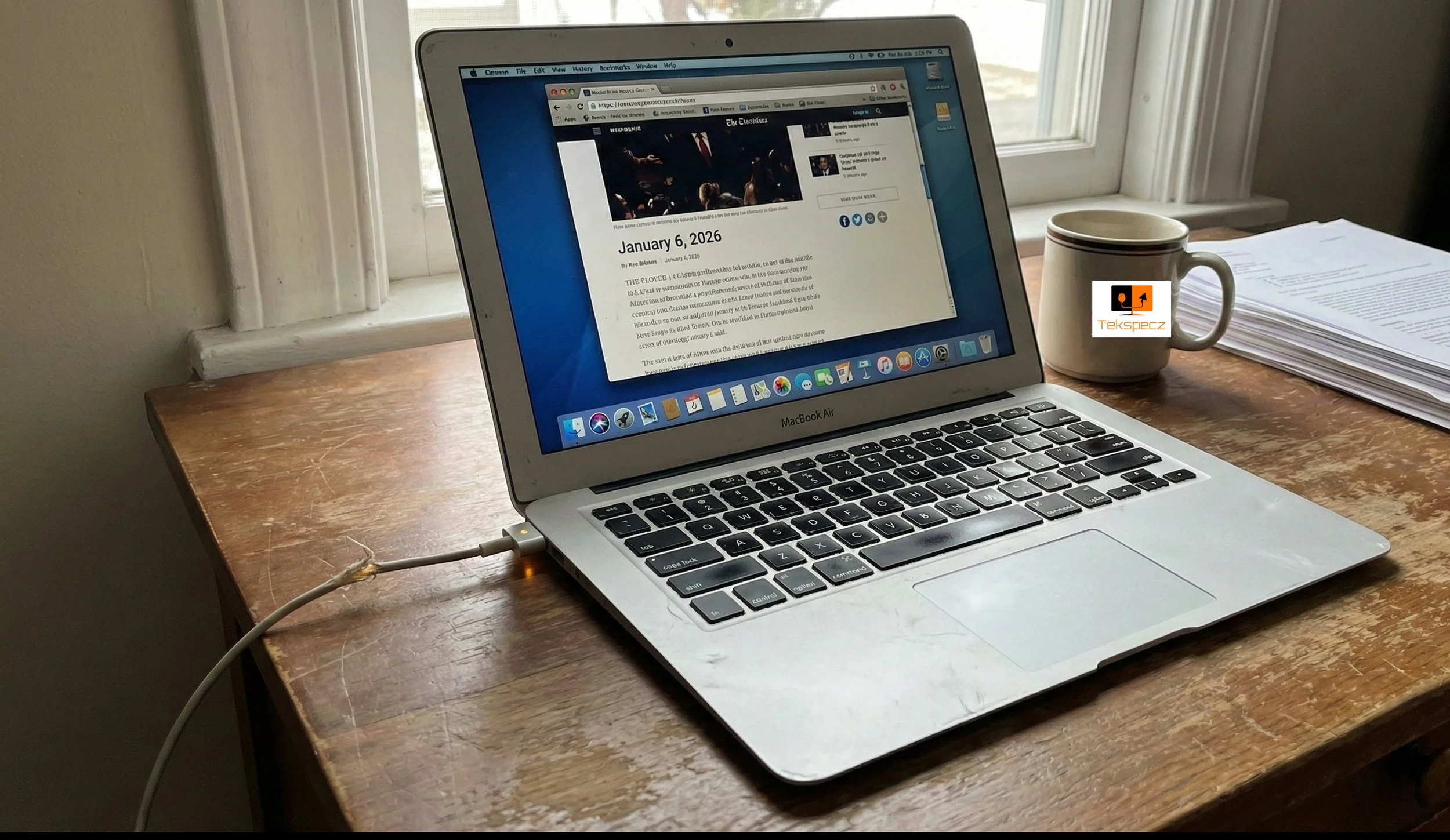
It's a testament to engineering that a laptop manufactured in the early 2010s is still functional today, and I know I'm not alone. The 2013-2014-era MacBook Air is widely regarded as the most durable laptop Apple has ever produced. I put together a technical breakdown of why my 12-year-old MacBook Air is still alive, even as most of its contemporaries are in your local landfill.
The Pivot to Flash Storage SSD
The primary reason my 2014 MacBook Air is still usable is that its storage drive has no moving parts, unlike most laptops of that era, which use mechanical hard disks (HDDs) with spinning platters. The MacBook Air, which used only a solid-state drive, was a big deal when it was launched. The mechanical drives aren't durable; they are prone to failure due to physical wear over extended use.

Another significant factor to consider is speed. Even a 12-year-old SSD is faster than a modern mechanical hard drive, having a snappy feel for basic tasks like web browsing or watching streaming content.
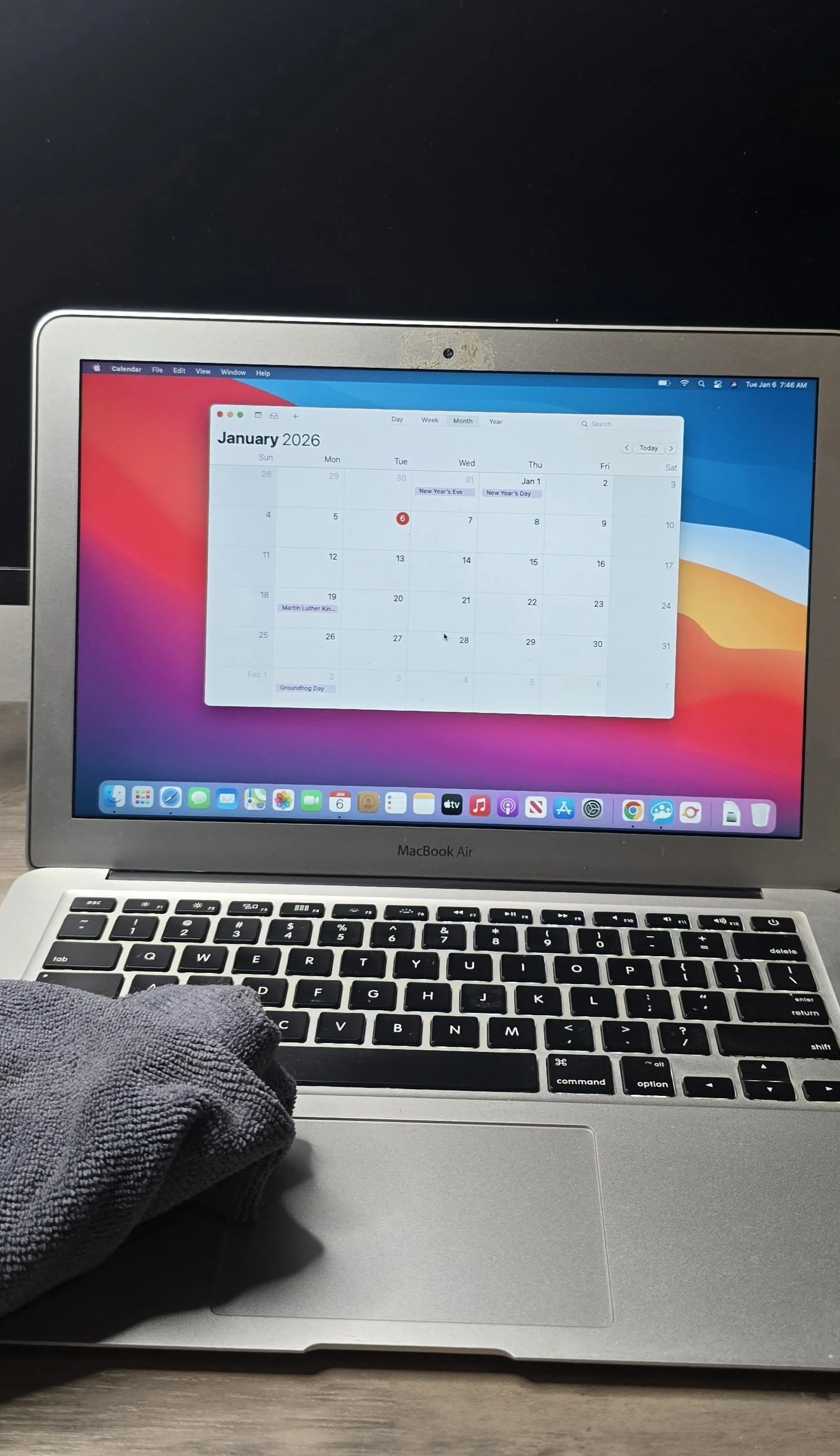
The Jump to "Haswell" Processor
Since my MacBook Air is 12 years old (circa 2014), it uses Intel's "Haswell" architecture, which is a 4th‑gen Core processor. This particular chip generation was a significant leap in power efficiency. Doubling the battery life of previous iterations. Even though the battery has degraded by 50% over the last decade, the Air can still hold a charge longer than some of today's cheaper laptops.
Thermal Engineering and Design Feat
The 2014 MacBook Air's overall design is forged from a single block of aluminum. This isn't just for visual appeal; the aluminum acts as a giant heatsink. It actually dissipates heat (the common cause of hardware failure) far better than the plastic chassis most competitors were using at the time.
Optimized Software
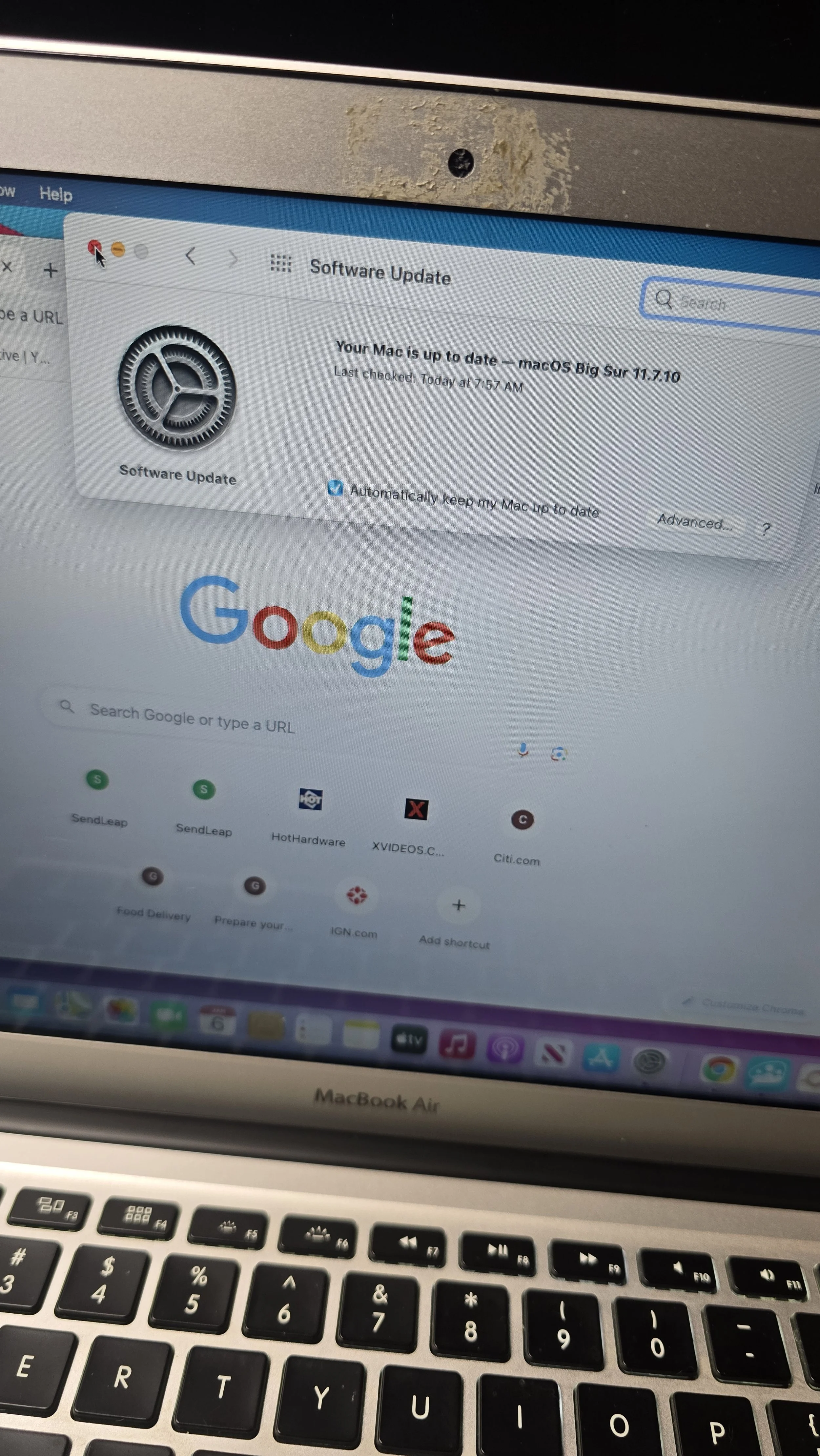
While my old MacBook Air can't run the latest version of macOS (Sequoia), it still runs macOS (Big Sur), which is still highly optimized for the machine's hardware. Apple excels at writing software for the exact hardware it uses, preventing the dreaded “driver rot,” which can slow many Windows PCs of the same vintage.
In Summary
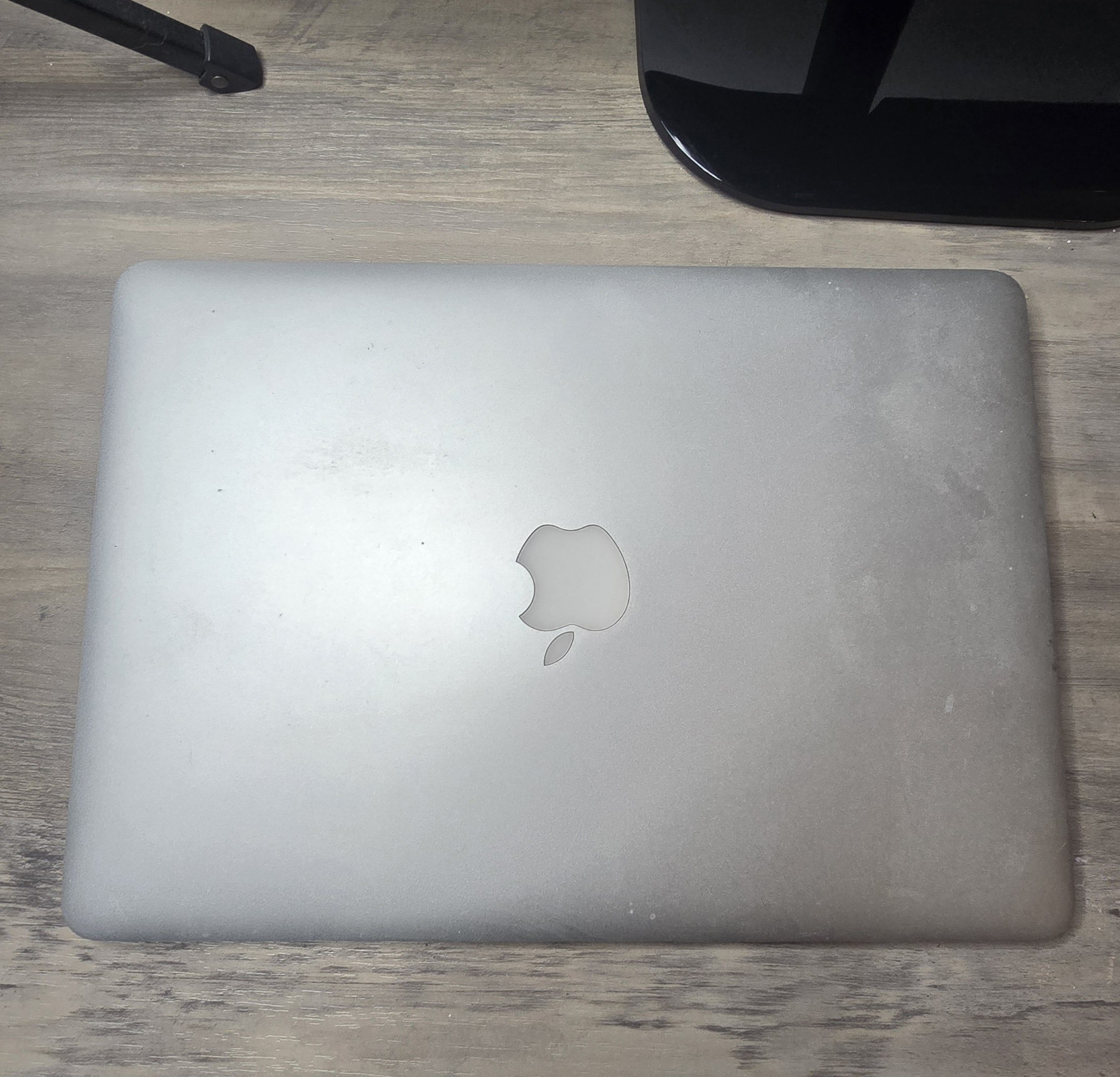
The 2014 MacBook Air is what I call an accidental future-proof system, built with premium materials and featuring impeccable software optimization. This system has outlasted the competition, using an architecture that’s efficient enough to handle modern computing tasks long after its rivals became obsolete.