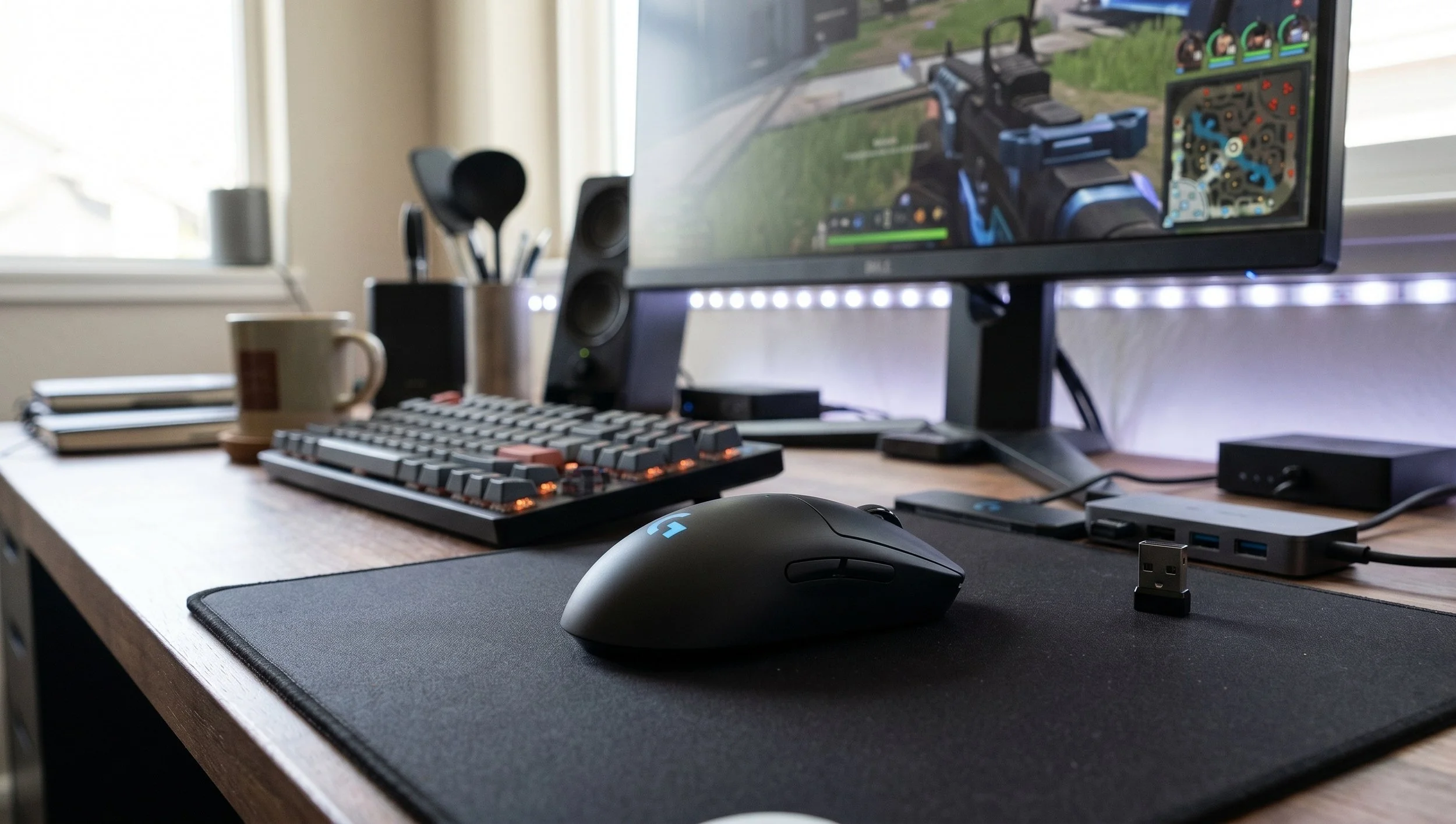
My Four-year Old Logitech LightSpeed Wireless Mouse still Performs Well In 2026, here's why
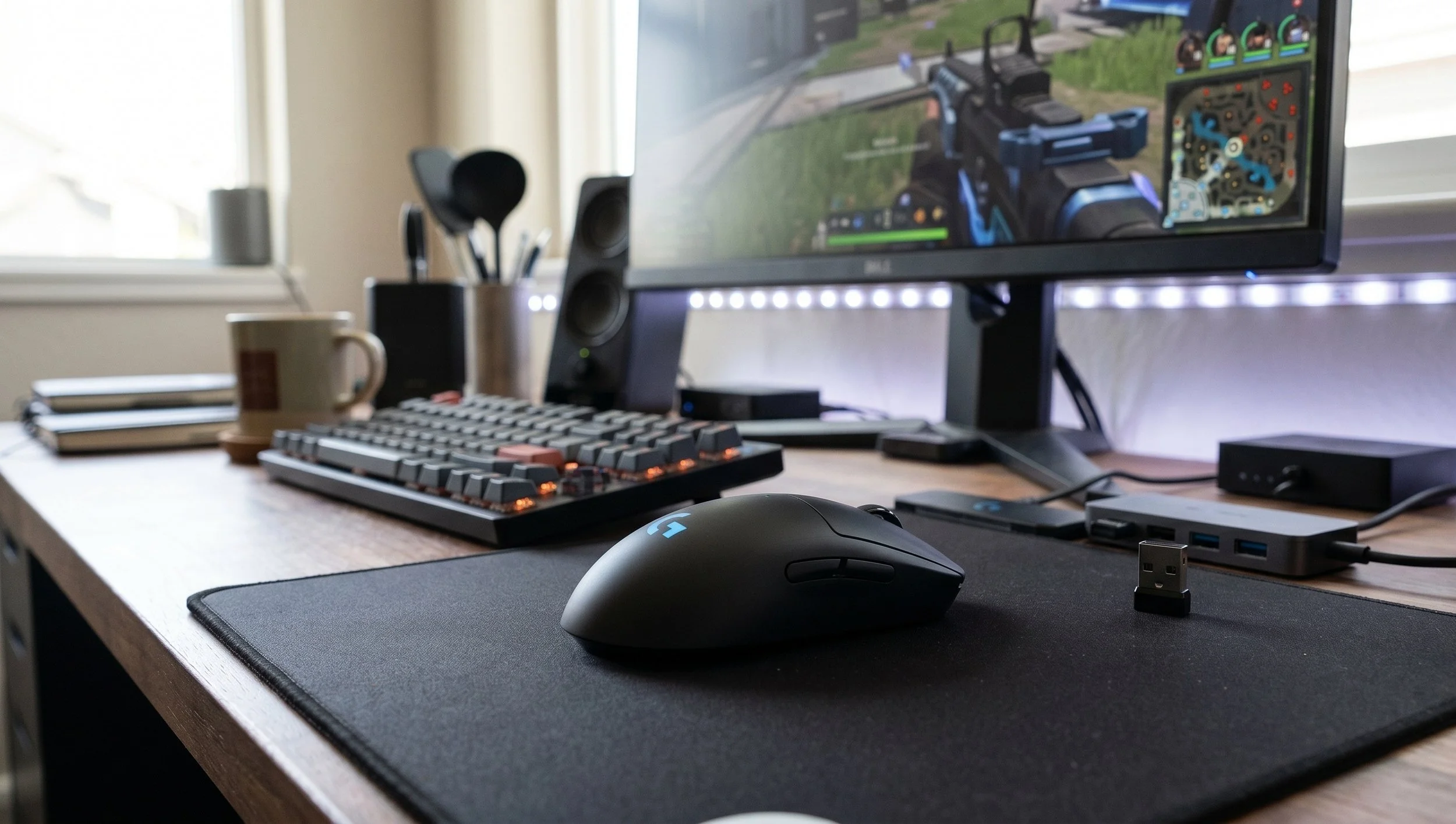
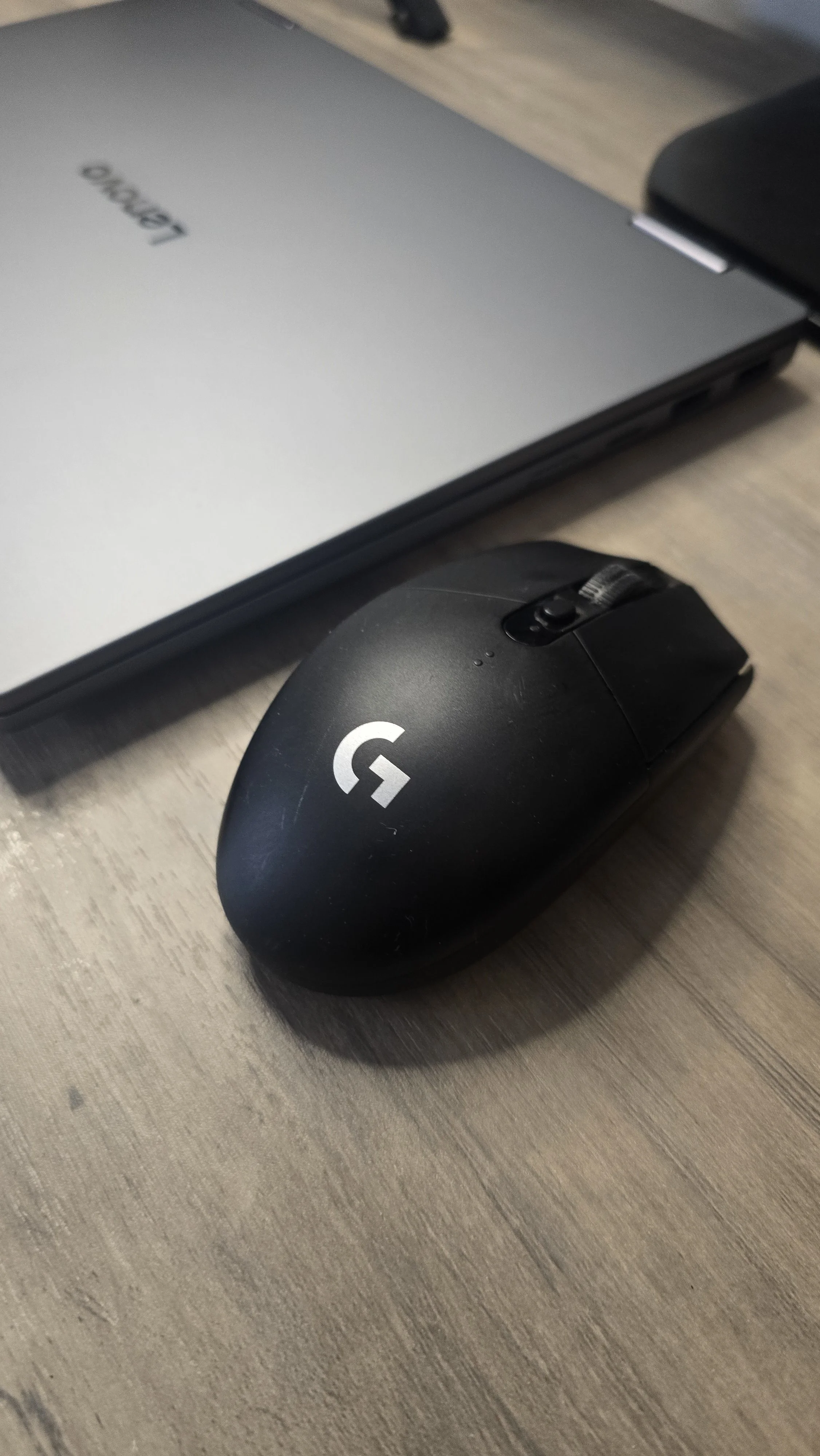
In the ever-evolving landscape of wireless mice, where "Frame Sync" and haptic-inductive clicks are the dominant marketing features of high-end peripherals, my four-year-old Logitech Lightspeed mouse still performs well. A true testament to a well-engineered product. While other technologies have come and gone, Lightspeed technology is still the gold standard for one reason only: it solved the latency issue that plagued many mice in years past.
Let's expand on why the Logitech Lightspeed wireless mouse remains the go-to peripheral I still use from time to time. Read on.
1ms is the standard
In 2026, the benchmark for every gamer's mouse is 1ms. While newer gaming mouse protocols experiment with hyper-polling rates that promise sub-millisecond response times, the human nervous system hasn't fully adapted to this technology. Lightspeed's end-to-end optimization — from the physical switch calculation to the USB receiver — delivers consistent performance and is often faster than many wired mice. For a power user like me, less reliance on cable connections for the mouse means less desktop clutter.
The Longevity Strategy
Combining Lightspeed technology with the HDR 25K sensor is a well-thought-out strategy from Logitech that has paid dividends in longevity, especially in an era when e-waste is on the minds of many environmental enthusiasts. The Logitech Lightspeed mouse, even in 2026, has lasted the test of time, due in part to its durability and power efficiency. Several Lightspeed devices (including mines) from years ago can still get 140 hours of usage on a single charge.
Stable Connectivity
As more homes become saturated with Wi-Fi 7 routers and a plethora of Bluetooth devices, the 2.4GHz band is more crowded than ever. However, Lightspeed's frequency-hopping devices remain a staple of mice. It doesn't just receive or send signals; it forces itself into a clean channel, ensuring that even in a 2026 smart home environment, you won't have interrupted signals with the mouse or headset.
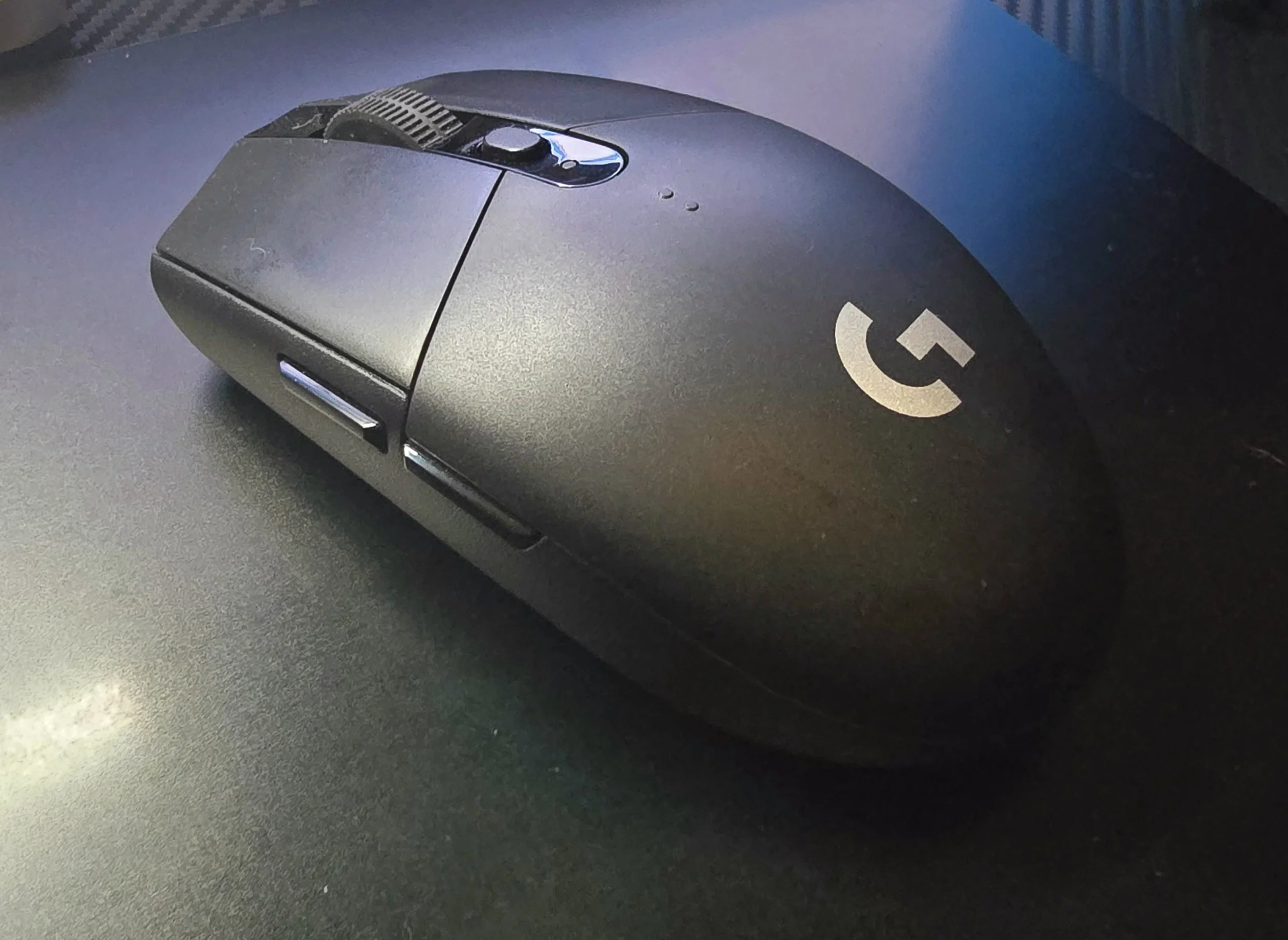
So, What We have here is this...
Ultimately, what we have here is Lightspeed's continued high performance even in 2026, and it still feels modern. While newer, improved mice might be lighter or offer niche haptic feedback, the core utility of Lightspeed remains unchanged. Proving that, with the fundamentals of wireless technology done right, you don't need yearly upgrades or gimmicky features to remain relevant in the wireless peripheral space.