RAM Prices are Starting to Decrease, Good News? Well, Somewhat. Let Me Explain
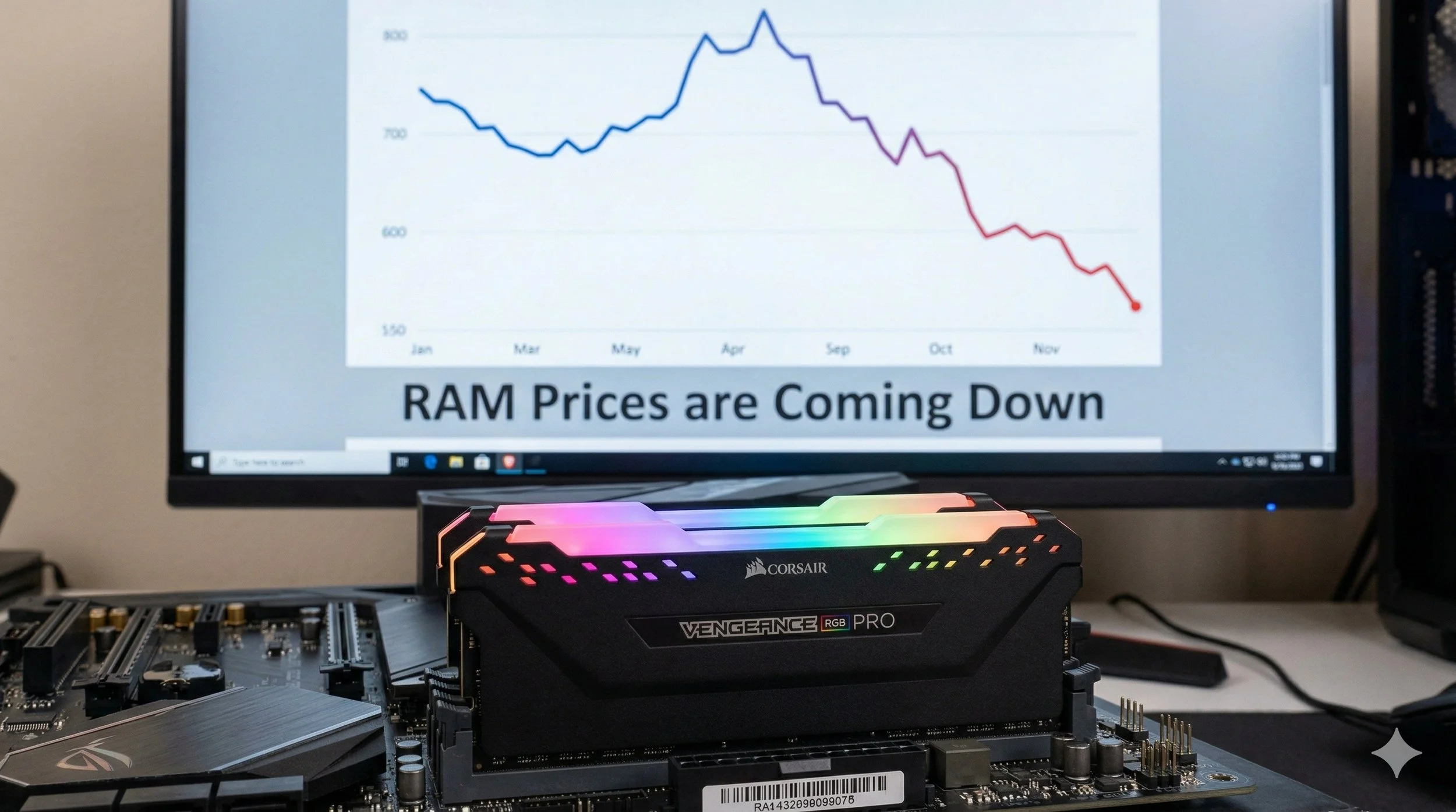
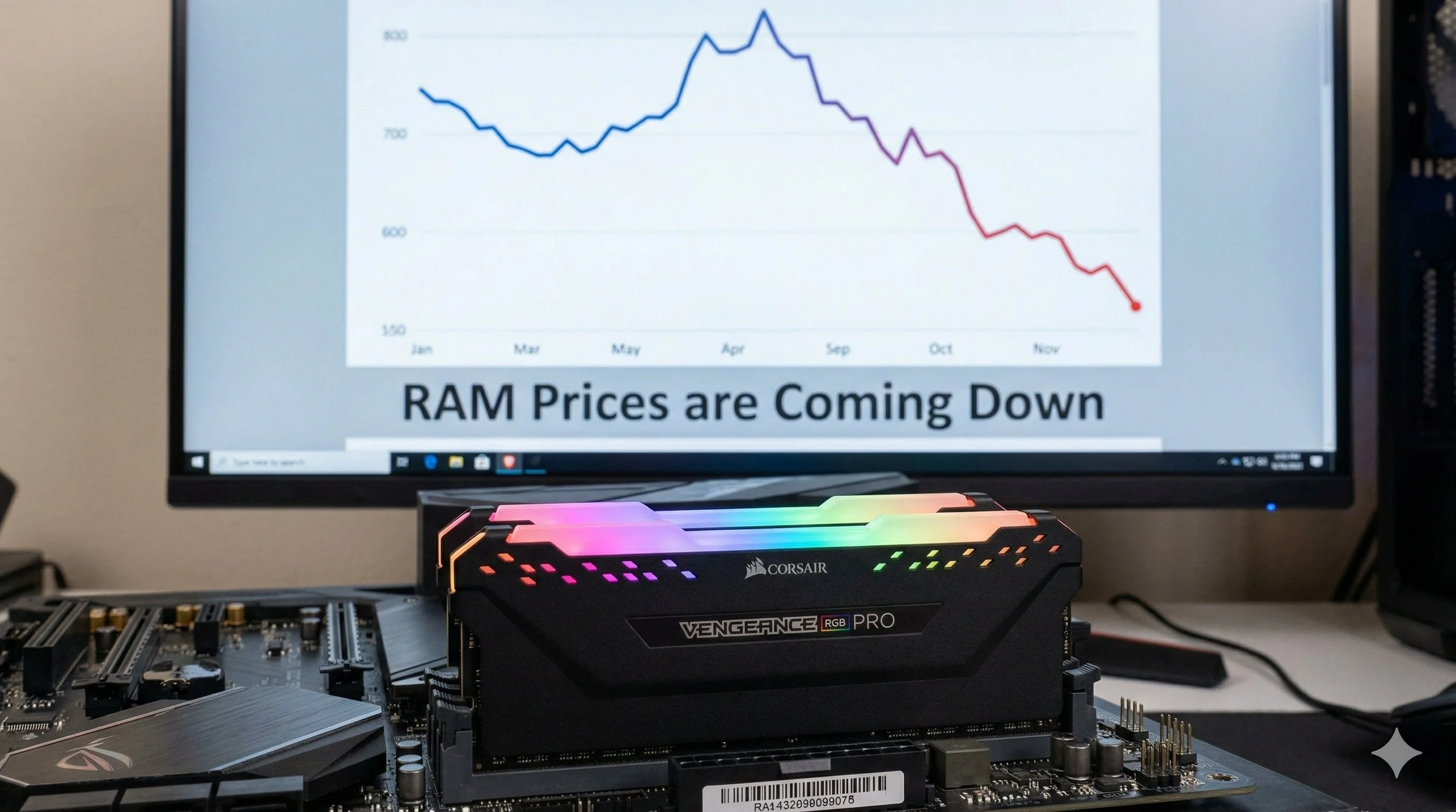
The RAM market is starting to show signs of life after 18 months of unprecedented price increases—anyone trying to build a PC or server: good luck finding RAM under $400. Lately, even low-end RAM has been retailing at nearly 400% above its 2025 lows.
However, as of today, now April 2026, the tide is starting to shift. While RAM isn't fully back to being a "budget" component, I've identified several factors that might be driving prices down for the first time in over a year.
The TurboQuant Technology
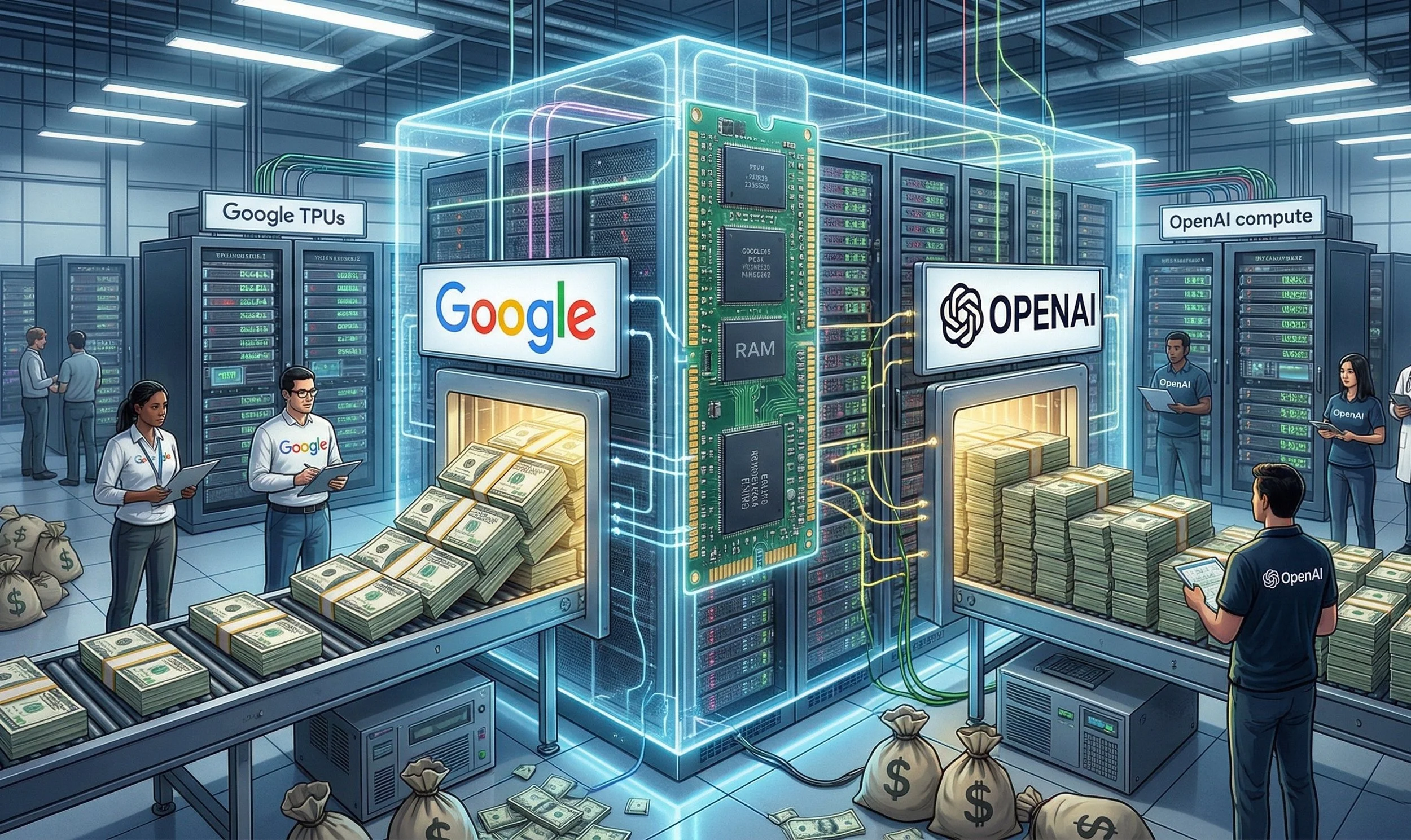
After nearly 8 months of aggressive price hikes, we're seeing the first month-to-month decline in DDR5 RAM retail prices in April 2026. As you well know, the main cause of the spike in RAM prices can be traced to hyperscalers (AI tech companies) using their unlimited resources to acquire massive quantities of memory for data centers.
However, demand seems to be subsiding a bit. One of the leading causes of the slow decline in RAM prices is the TurbQuant algorithm. Google’s breakthrough technology reduces memory requirements by up to 6 times. As a result, OpenAI has slowed or canceled some data-center expansions, reducing pressure on the global supply chain.
The Consumer Rebellion
We're seeing retailers and manufacturers hit a ceiling of what the average PC builder is willing to pay. As of January 2026, 32GB DD5 memory kits were retailing for as high as $500-$600.

However, market data from March 2026 displays a significant drawdown in the retail space across the US, Europe, and even China. Consumers are simply not upgrading systems, resulting in a buildup of inventory at retail outlets and online vendors. To move stock, major brands such as Corsair and G.Skill have begun slashing their prices, with some kits dropping 20% to 30% in a three-week span, all in an effort to lure PC builders back into the market.
The Supply Chain has been Normalized.
In 2025, during the "Hyper-Bull" phase, DRAM producers such as Samsung, SK Hynix, and Micron have pivoted their entire production capacity toward high-margin servers, DDR5, and HBM (high-bandwidth memory).
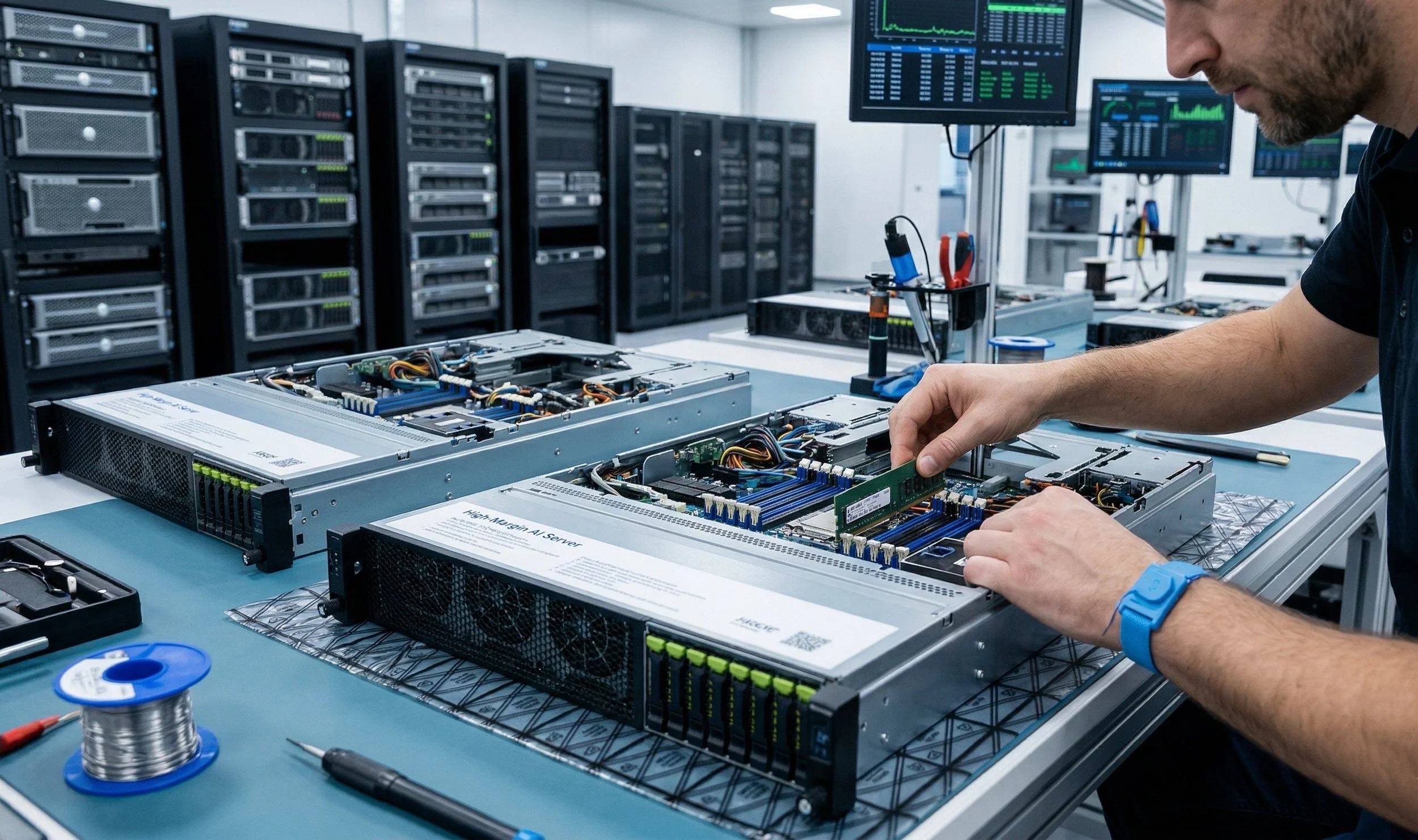
However, as the second quarter of 2026 approaches, we're seeing a new production line and an optimized fabrication process start to catch up. While several manufacturers are still enjoying high profit margins, demand from enterprise clients has cooled, allowing large portions of silicon wafer to return to the consumer-grade DDR5 lines.
AI Investments Slow Down
Heavy investment in AI has seemingly encountered its first real speed bump in early 2026. Reports indicate that several firms are struggling to raise new funding rounds, and steering a general market rotation away from growth tech stocks has led to a more cautious approach to hardware acquisitions. As big tech companies stop buying massive amounts of silicon, PC enthusiasts will begin to see immediate price relief.
Retail Prices are Feeling The Impact
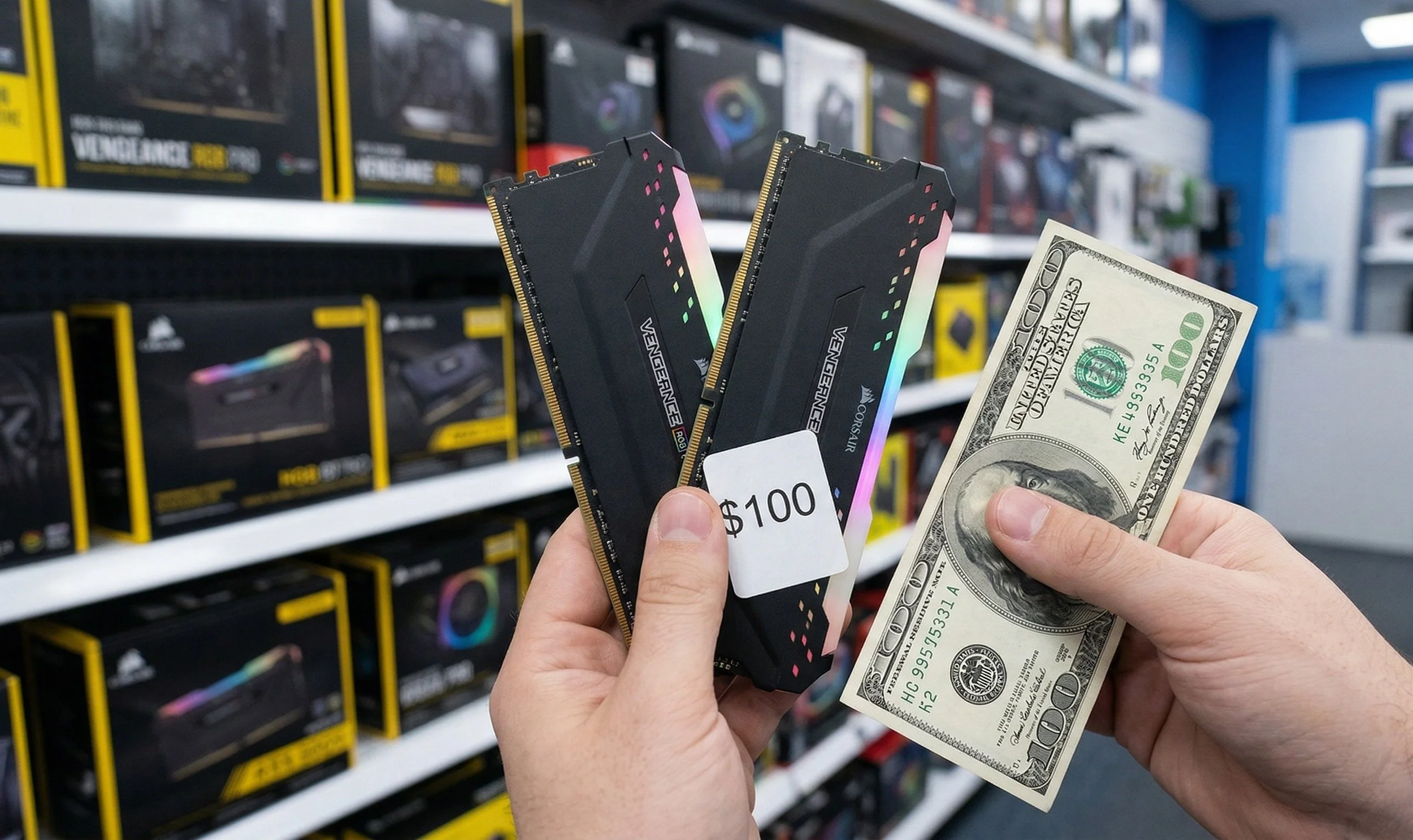
The sudden slowdown in demand for RAM led many digital vendors to lower the prices of memory kits. Popular 32GB (2 x 16 GB) DDR5 kits, which peaked at nearly $450 in February, have begun to drop in price. I myself am seeing price cuts of $30 to $40 in just a few weeks. A 32GB DDR5-6000 CL36, which was priced at $449, is now $409. A 64GB DDR5-6000 price peak in Feb 2026 was $799 is now $749.
Should Consumers Buy Now or Wait?
The downward trend is indeed encouraging, especially if your plans include building a PC, but industry analysts are cautiously optimistic, warning that consumers aren’t out of the woods yet. The slow price decrease, unlike the rapid crashes of years past, is an incremental process. Consumers are unlikely to see $100 32GB memory kits return until 2027. Inventory volatility from brands like MSI has already hinted at price hikes of at least 15-30% later in 2026 to protect companies’ price margin against inflation.
Final Thoughts….
If you plan to upgrade or build a PC, now is a safer time than it was two months ago. However, if you’re looking for a good deal on RAM, I recommend you wait until the back-to-school sales, when the full impact of the TurbQunat-led supply correction hits the retail shelves.