Meta Discontinues Its AI Muse Generative Feature, Here's Why
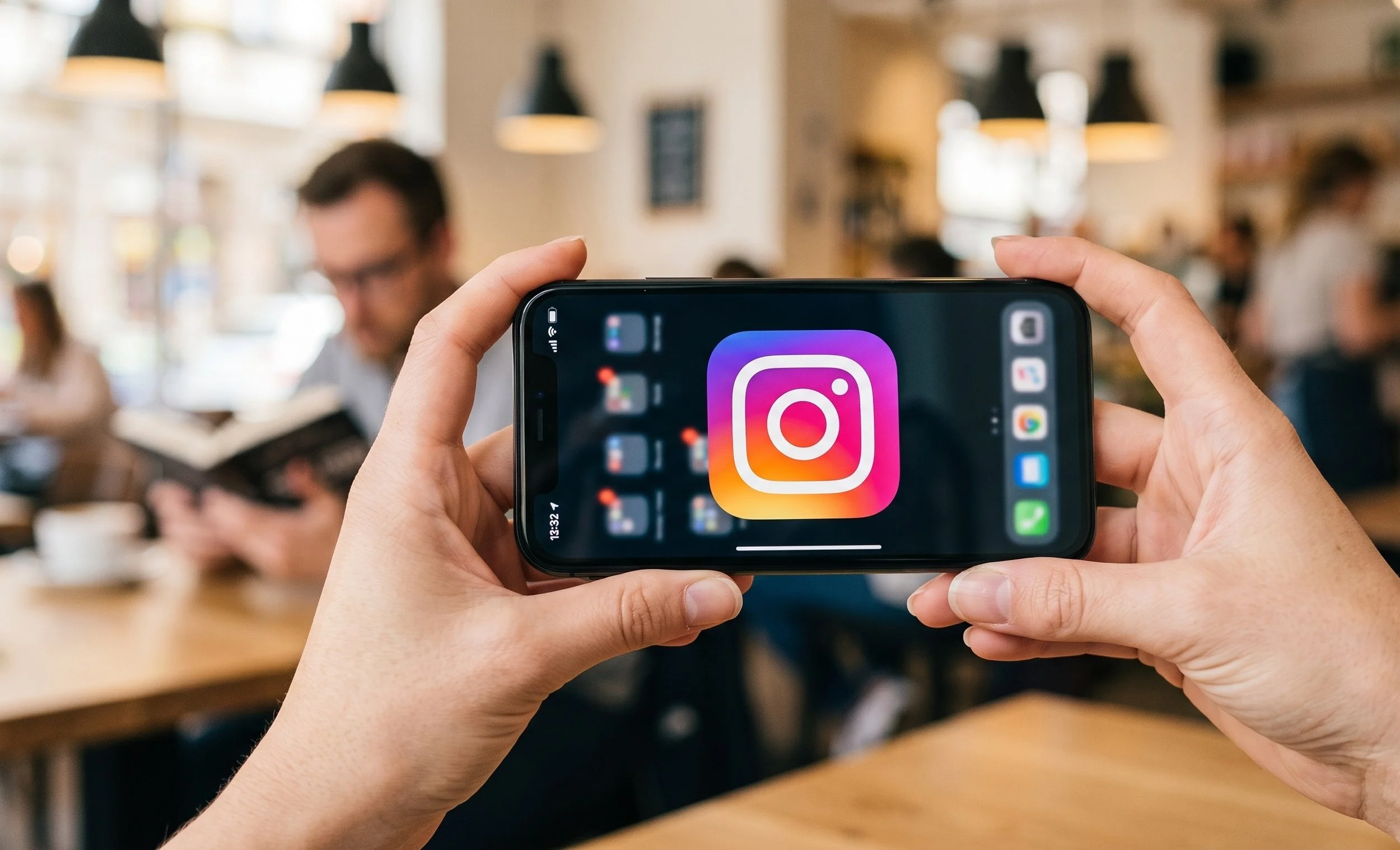
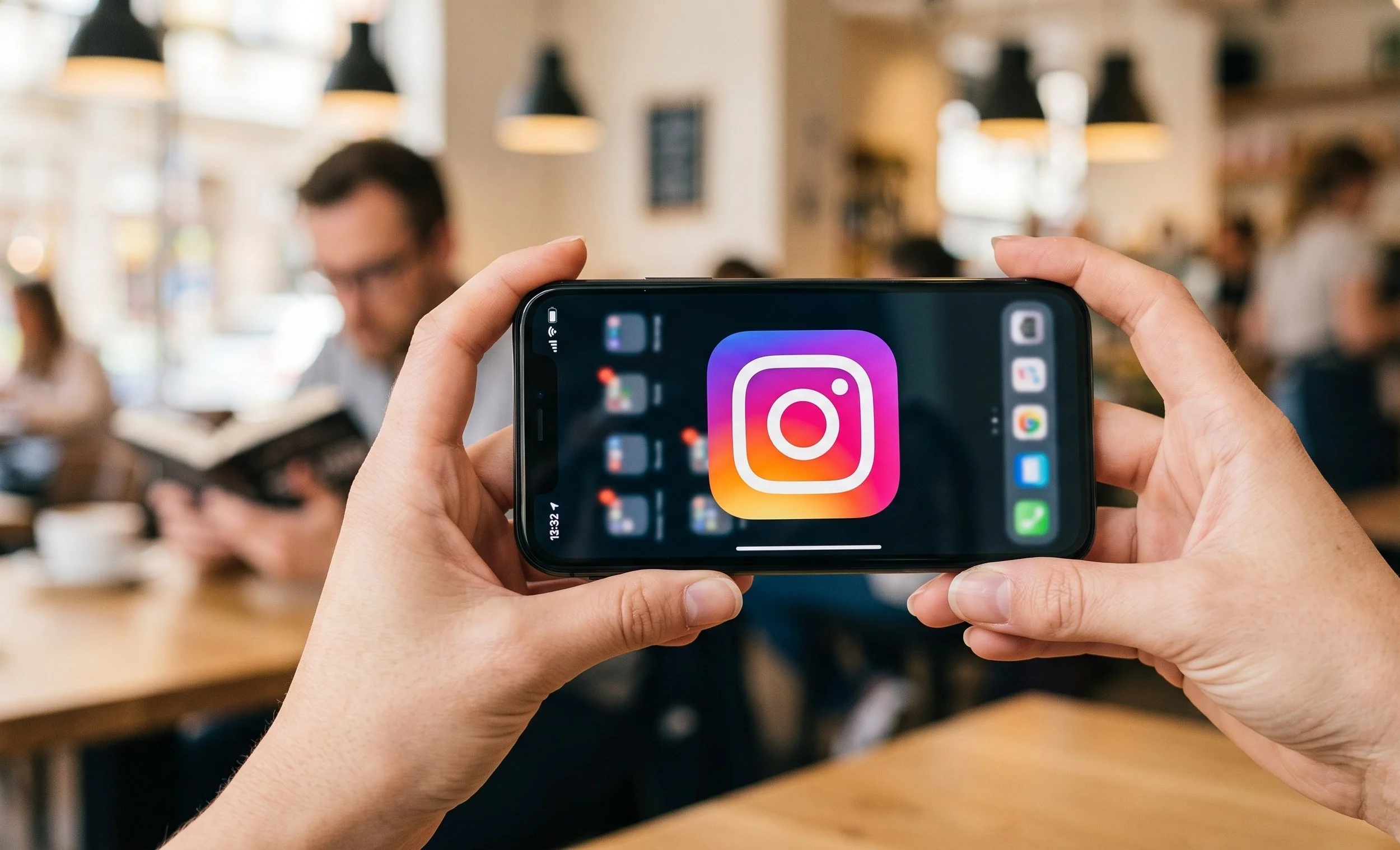
Here's an interesting story that has come across my timeline, even though the incident took place last week. Apparently, Meta has, without warning, pulled its brand-new generative AI tool, better known as the Muse Image, from Instagram just three days after its initial launch. The feature faced substantial backlash from content creators, cybersecurity experts, and Hollywood unions (SAG-AFTRA and CAA) because the feature functioned as an on-platform “deepfake machine.”
Let me explain further; here’s what you need to know.
How Does the Feature Really Work
Muse Image was launched last week, July 7th, 2026. The feature enabled any user to generate a brand-new AI image simply by typing a prompt and @-mentioning any public Instagram account. The AI model would instantly scrape that specific user's public profile photos and reels as a direct visual reference.
The Massive Backlash
There were glaring signs that Meta's new feature would be problematic. Firstly, the Muse Image was opted in by default (big red flag). Meaning, every single adult Instagram user with a public account was automatically enrolled. To turn off Muse Image, users had to navigate through complex sub-menus (Settings) manually (sharing and reuse); the feature is now disabled.
Then there is the notification, or the lack thereof. If someone used their account to post a face or likeness in an AI-generated image, Instagram won't alert you with a notification or even request the user's permission.
Furthermore, users risk harassment and impersonation. According to the security experts, they warned that lowering the entry like this made it very easy for nefarious users to spin up realistic non-consensual images, targeted harassment campaigns, or convincing identity scams.
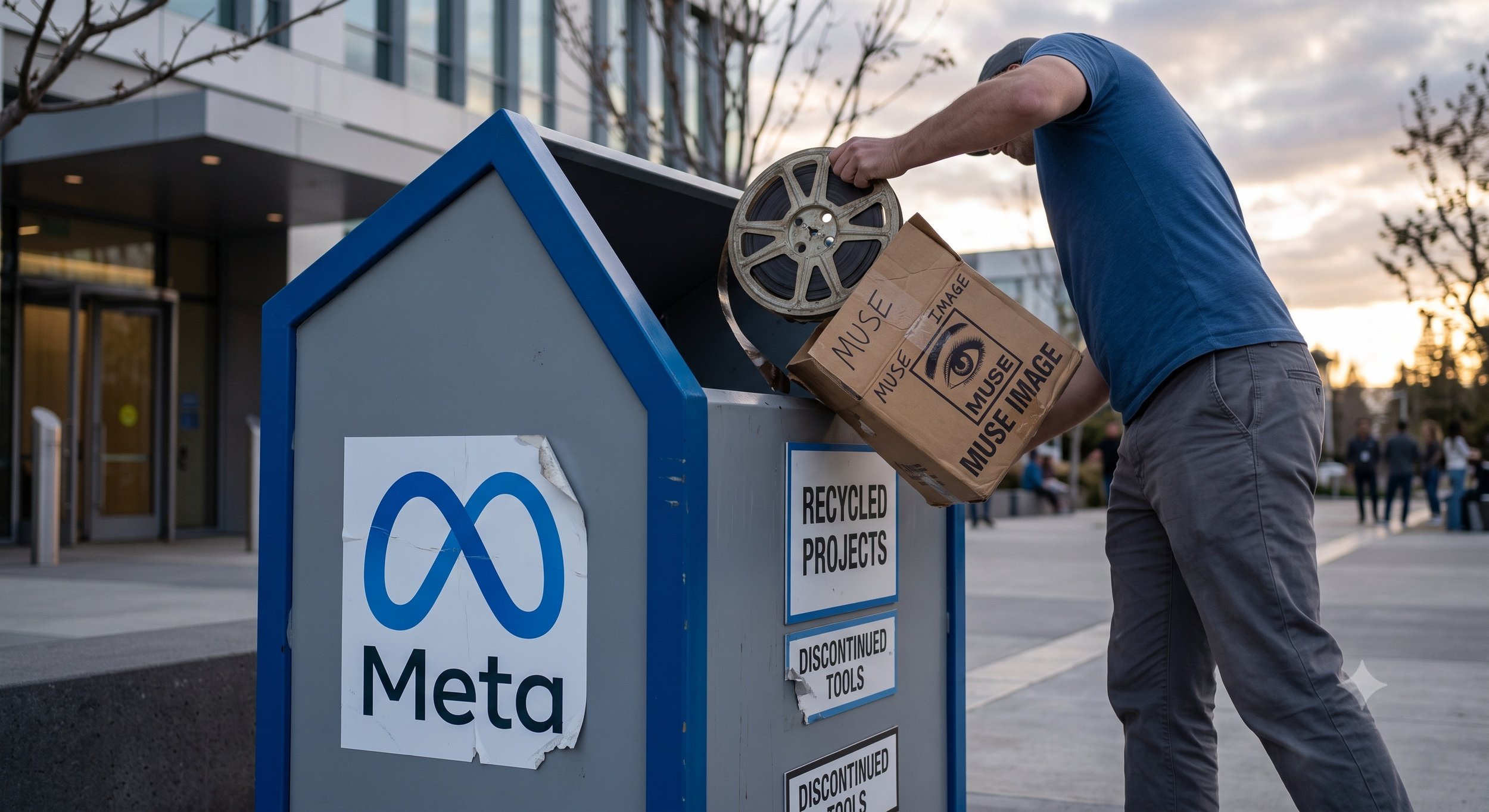
Meta's End All Solution
While there was a barrage of online tutorials showing users how to disable the features, mainly due to heated pushback over user consent, Meta pulled the plug on the feature last Friday afternoon. Followed by a swift update to their blog, the company stated, quote:
"Our intent was to provide a useful creative tool and to give people control over whether their public content could be referenced in this way. We’ve heard the feedback that this feature missed the mark, so it’s no longer available."
Meta has maintained that its user agreement technically permits it to use public posts to train its AI models, giving the general public an active, on-demand tool to instantly remix other people's real faces, which has proven to be very problematic.