
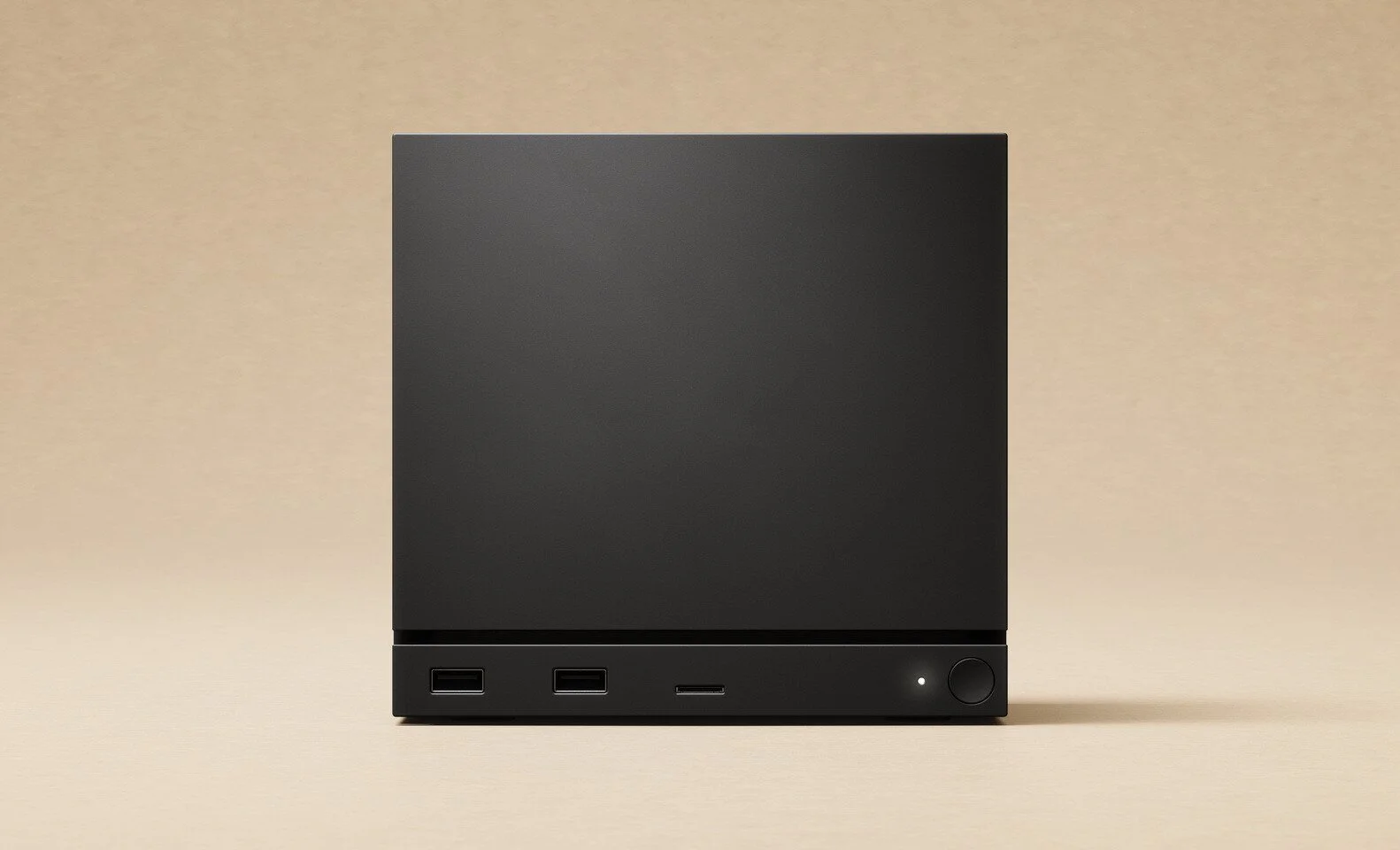
Hardware Breakdown Presents: Valve's Steam Machine (2026)
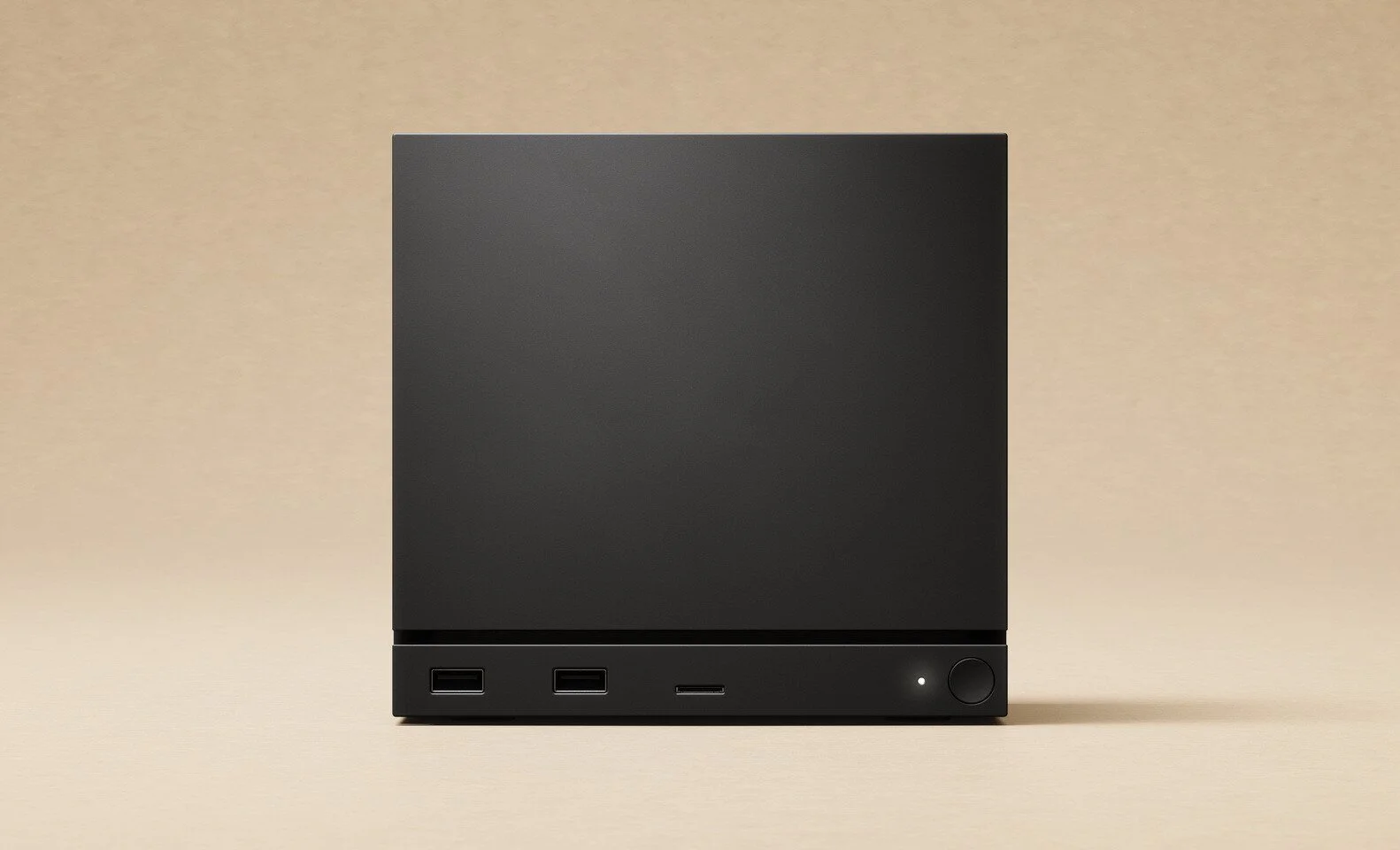
Valve has proven that you can take a once-fragmented console and engineer it to perform like a gaming PC. The device I'm talking about is the new Steam Machine 2026, which launched a few weeks ago. As always, any device that intrigues me gets profiled in the monthly installment of Hardware Breakdown. Here's a comprehensive examination of the core components inside that power Valve's new Steam Machine.
The Core Silicon
The core component of the Steam Machine is a semi-custom AMD APU/SoC arrangement that separates system memory bandwidth, which solves the memory bottleneck common with handheld APUs. To simplify this arrangement, you have what we call a system-on-chip. This is where you have all of your core components, including the memory, CPU, and GPU, on one silicon.
The Processing Cores
The Valve Machine CPU is derived from AMD's Hawk Point/Zen 4 architecture, configured with 6 cores and 12 threads, operating at a base clock of around 3.2 GHz, boosting up to 4.8GHz. Interestingly, the processor operates at a modest 30W TDP limit and can deliver target frame rates for resource-draining gaming titles, according to Valve. The company also stated that the CPU maintains strict thermal control inside the small form factor chassis.
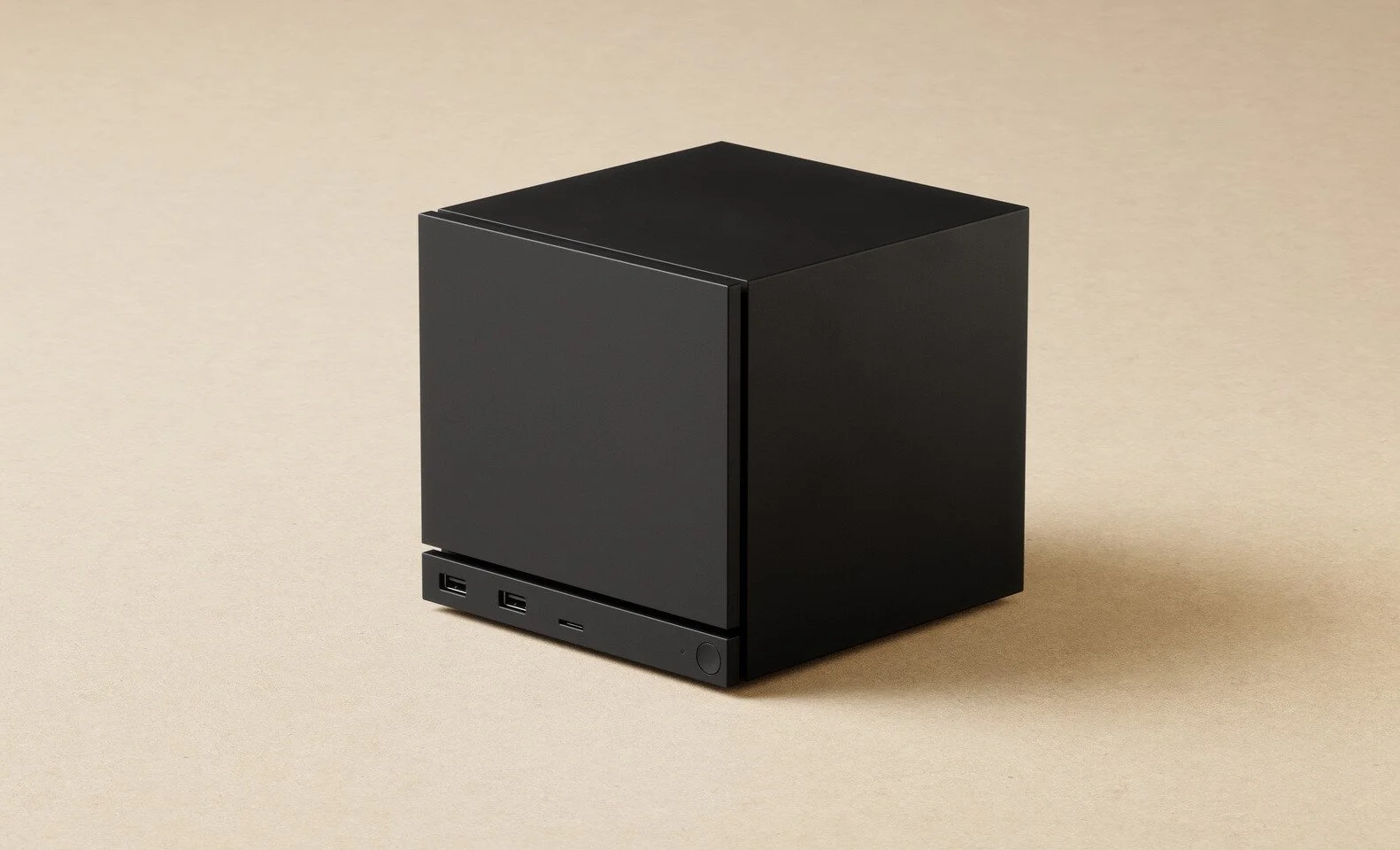
Image Source: Valve
The "28" Compute Units
Instead of using an integrated 12 or 16 CU iGPU, Valve packed 28 RDNA 3 compute units clocked up to 2.45GHz, with an 110W power budget. The GPU is paired with dedicated GDDR6 VRAM, delivering approximately 6 times the raw performance of the original Steam Deck.
The Thermal Engineering
To keep the cube-shaped console cool, Valve designed the chassis around a vertical cooling stack, better known as the "cube-sink" design. From top to bottom, the air flows through the intake vents at the base, drawing cool air through the bottom chamber. One single large 120mm low-RPM fan pulls air upward across a dense copper heat pipe and discharges hot air through the top vent. Which I must say is a pretty unique cooling setup.
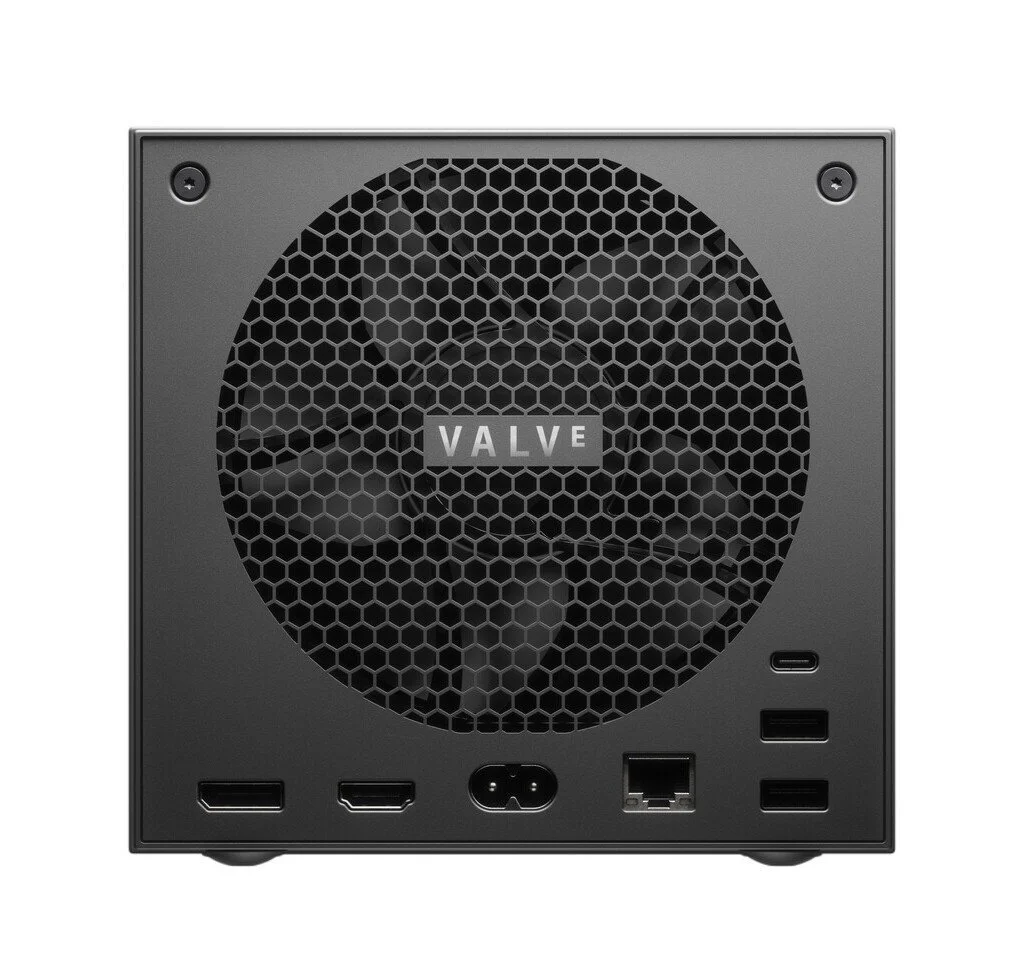
Image Source: Valve
The thermal interface is an industrial-grade putty that covers both the VRMs and GDDR6 memory chips, maximizing heat transfer directly to the central heatsink assembly.
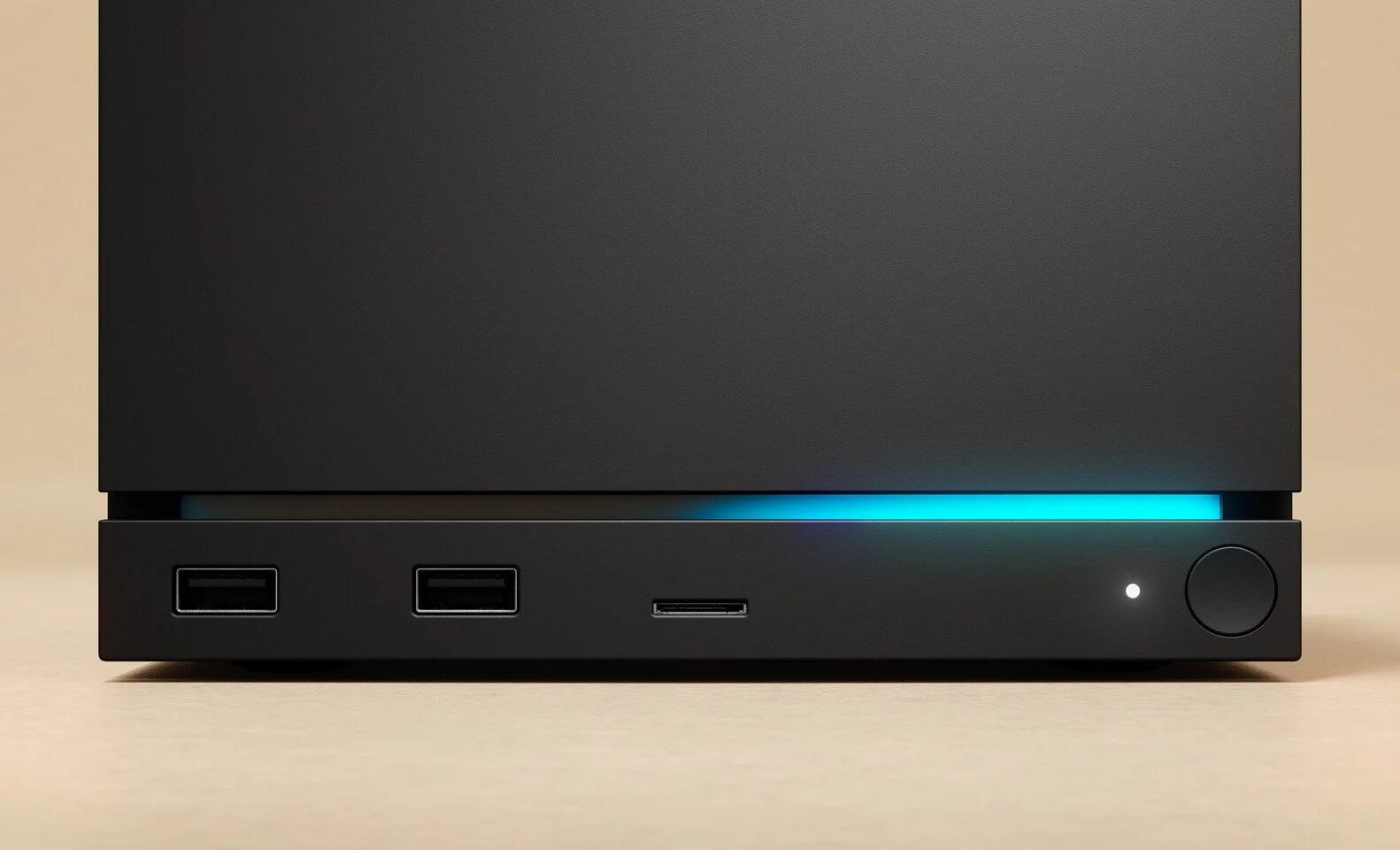
Image Source: Valve
In relation to console cooling, probably the standout component of the Steam Machine is the front light Bar, which is actually a 17-LED RGB status indicator (customizable, I might add) that displays game downloads, notifications, and, importantly, system temperature.
The Steam Machine Storage and Memory
The Steam Machine Storage and System Memory
Out of the box, system memory in the Steam Machine is 16GB of DDR5-5600 running in a single-channel mode, meaning there is one memory stick. However, the motherboard does feature two standard DDR SO-DIMM slots. Users can add a second DDR5 memory module and enable dual-channel memory mode, which will help eliminate bandwidth bottlenecks in bandwidth-heavy gaming titles.
The Steam Machine primary storage is an NVMe SSD, available in two factory tiers: 512GB and 2TB. The motherboard includes a pre-installed M.2 2280 slot, allowing users to either swap out the stock drive or add a secondary high-speed storage drive.
You can also add more storage externally via the front-facing UHS-I microSD slot. The microSD cards formatted on Steam Deck can actually be inserted and read natively through Steam OS without the need to re-download or convert files.

Final Breakdown Verdict
Judging from the components housed in Valve’s Steam Machine, there is certainly a direct shift in living-room PC gaming. Valve is not trying to compete in the high-end GPU arms race against the full-tower desktop system; it prioritizes efficiency, thermal stability, and reliability.
Ditching the unified iGPU in favor of a discrete GDDR6 VRAM, I think, is a good move by Valve. Also a good move is the quiet system cube layout; this preserves user access to SO-DIMM RAM and standard M.2 NVMe slots, creating a compact small-form-factor PC, even though this is technically a gaming console. What we have here with the Steam Machine is a convenient, open, upgradable system—giving gamers a straightforward path to playing Steam libraries in the confines of the living room.