
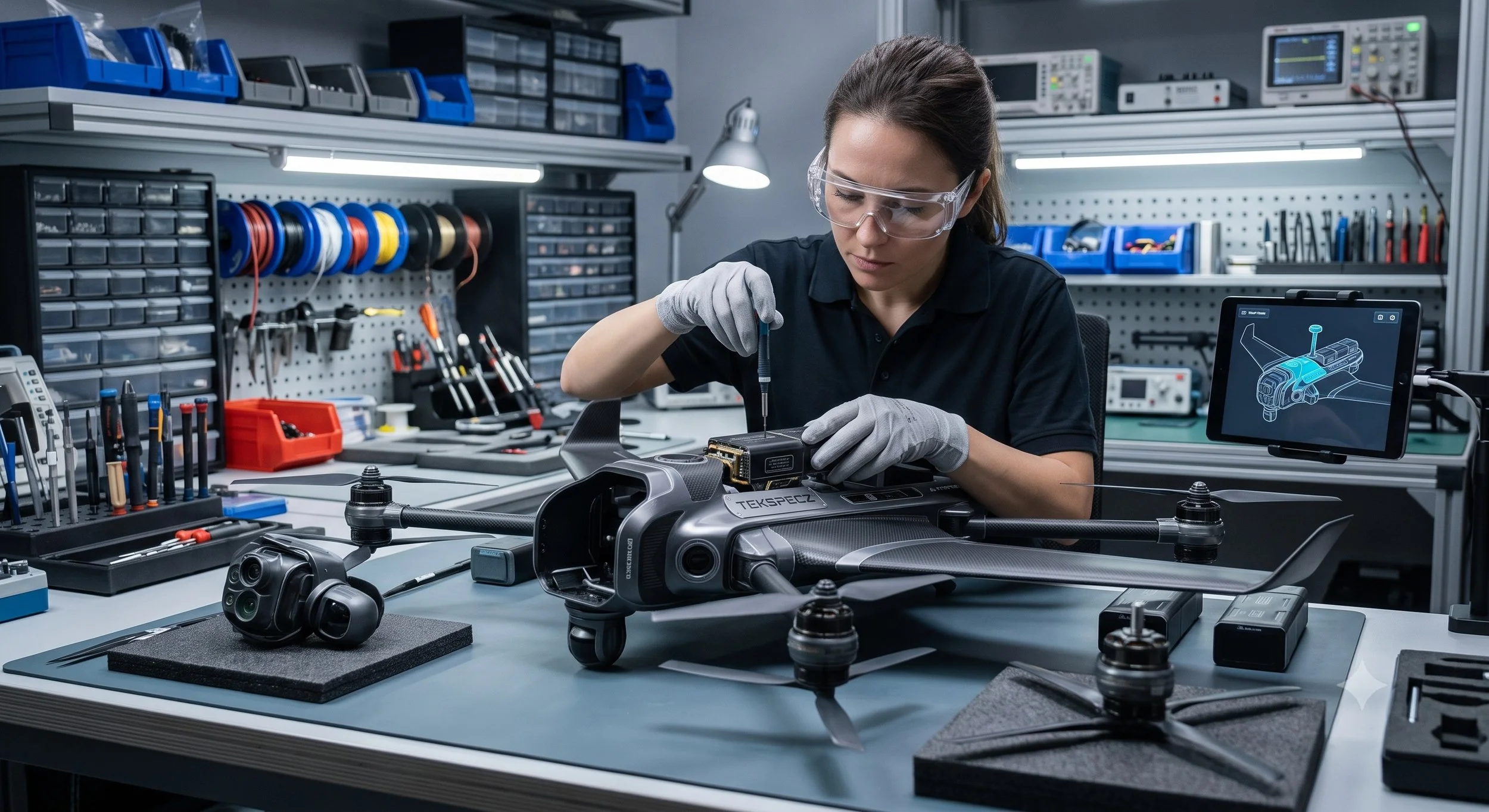
On Paper, Let's Build The Perfect Drone, Shall We?
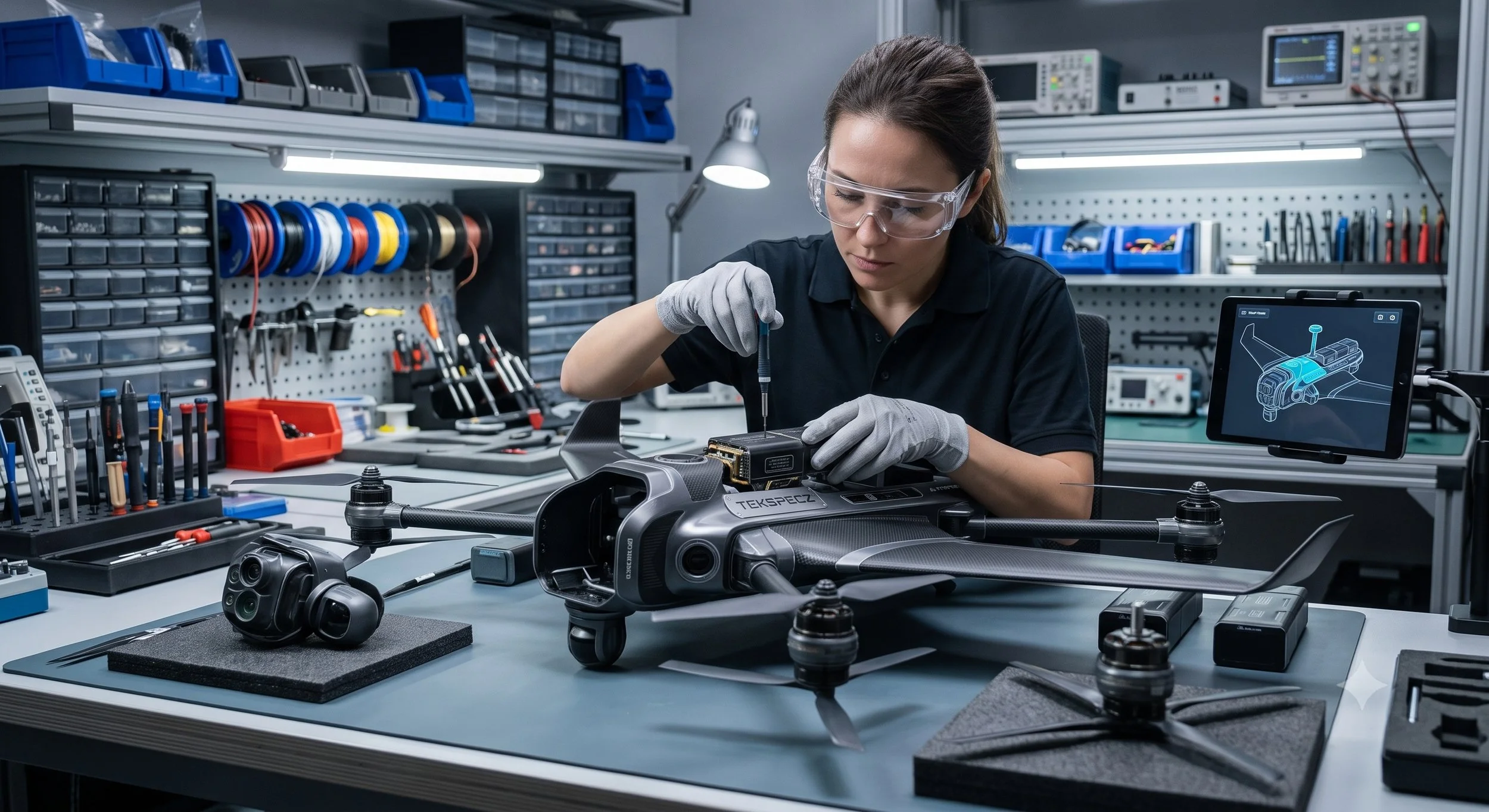
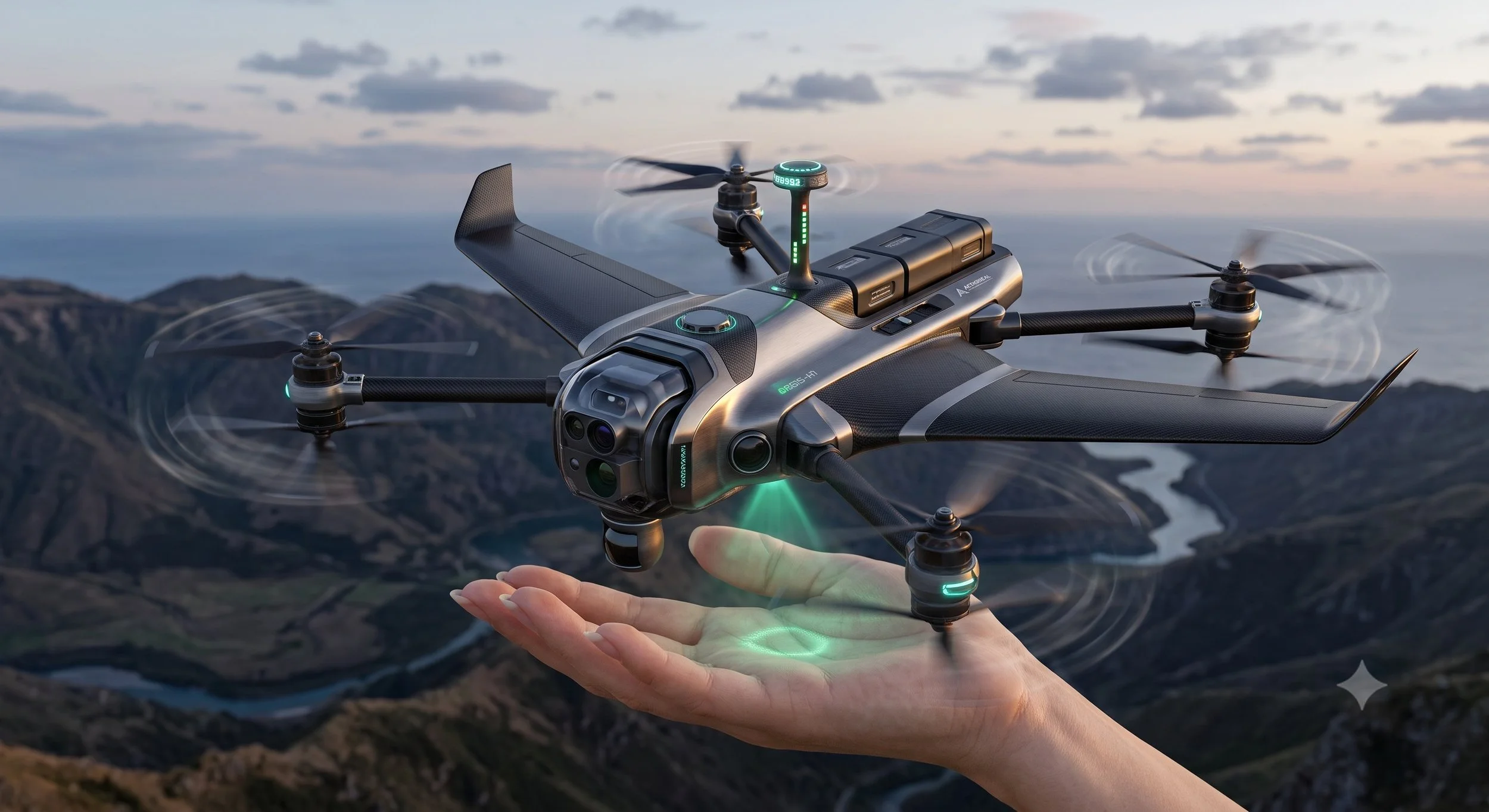
I want to build the perfect drone, on paper that is, not just any drone, one that has a quality camera, is lightning-fast, and, as an option, performs like a first-person view racing drone and long-range explorer. Not only will this multifaceted drone be customizable, but it also has a sweet spot for speed and durability. The drone will have the perfect balance between weight, power, and signal reliability. Let's delve deep into the imagination and build my ideal drone.
The Core Components Will Consist of the Following
Firstly, I need to start with the drone's frame. It will consist of a 5-inch Carbon-fiber X configuration. My drone needs to be rigid enough to withstand vibrations yet durable enough to survive 60-mph impacts.
Along with the perfect drone comes the perfect flight controller, so let's incorporate the brains of the drone: an F7 or H7 processor. The sensor can process data hundreds of times per second, stabilizing the drone.
The electronic speed controllers will be a 50A-60A 4-in-1 ESC (BLHeli_32). The controller will primarily act as the drivetrain, precisely regulating power delivered from the battery to each motor.
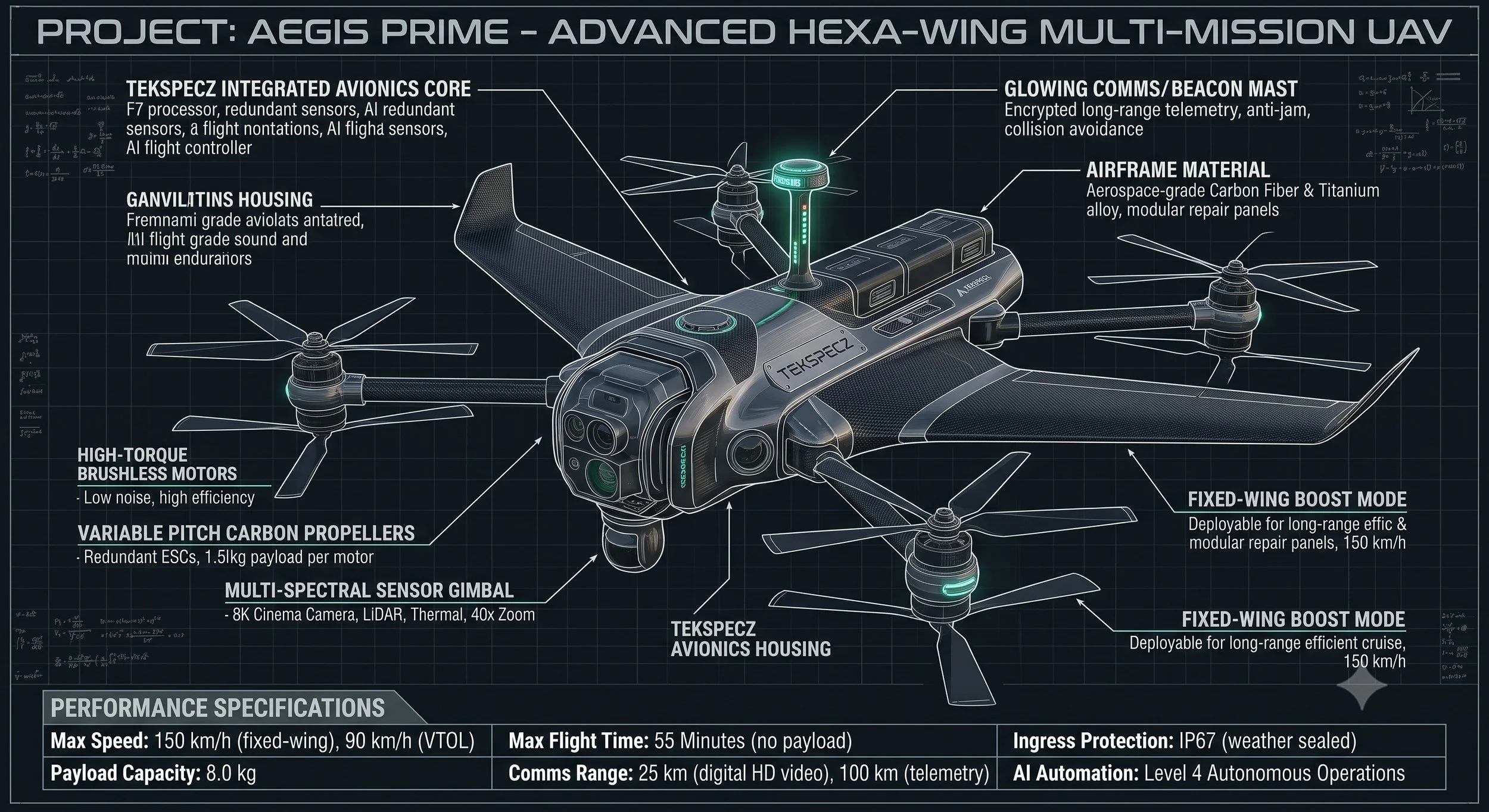
My overly imaginative perfect drone Blueprint
The pinnacle component of the drone is the video camera. I’m going with a digital HD O3 Air Unit or Wassail. It will be a significant upgrade from the blurry analog to a crisp HD system, enabling me to see power lines and branches clearly to avoid crashes.
Finally, let's address the motor. I'm going to go with the 2207 or 2303 brushless motor. It's worth noting that a lower KV is better for high-voltage 6S batteries; a higher KV suits 4S.
Bringing Balance: Flight Time vs. Performance
The most crucial engineering constraint when constructing a drone is the power-to-weight ratio. Every gram I add will require the motor to spin faster to keep the drone hovering, which can increase current draw and cause significant heating. The battery is certainly another pinnacle component. For any 5-inch drone, a 6S LiPo battery (1100 mAh-13300 mAh) is the current gold standard. The battery will provide high voltage (22.2V), preventing power sag during aggressive maneuvers while maintaining weight under 200 grams.
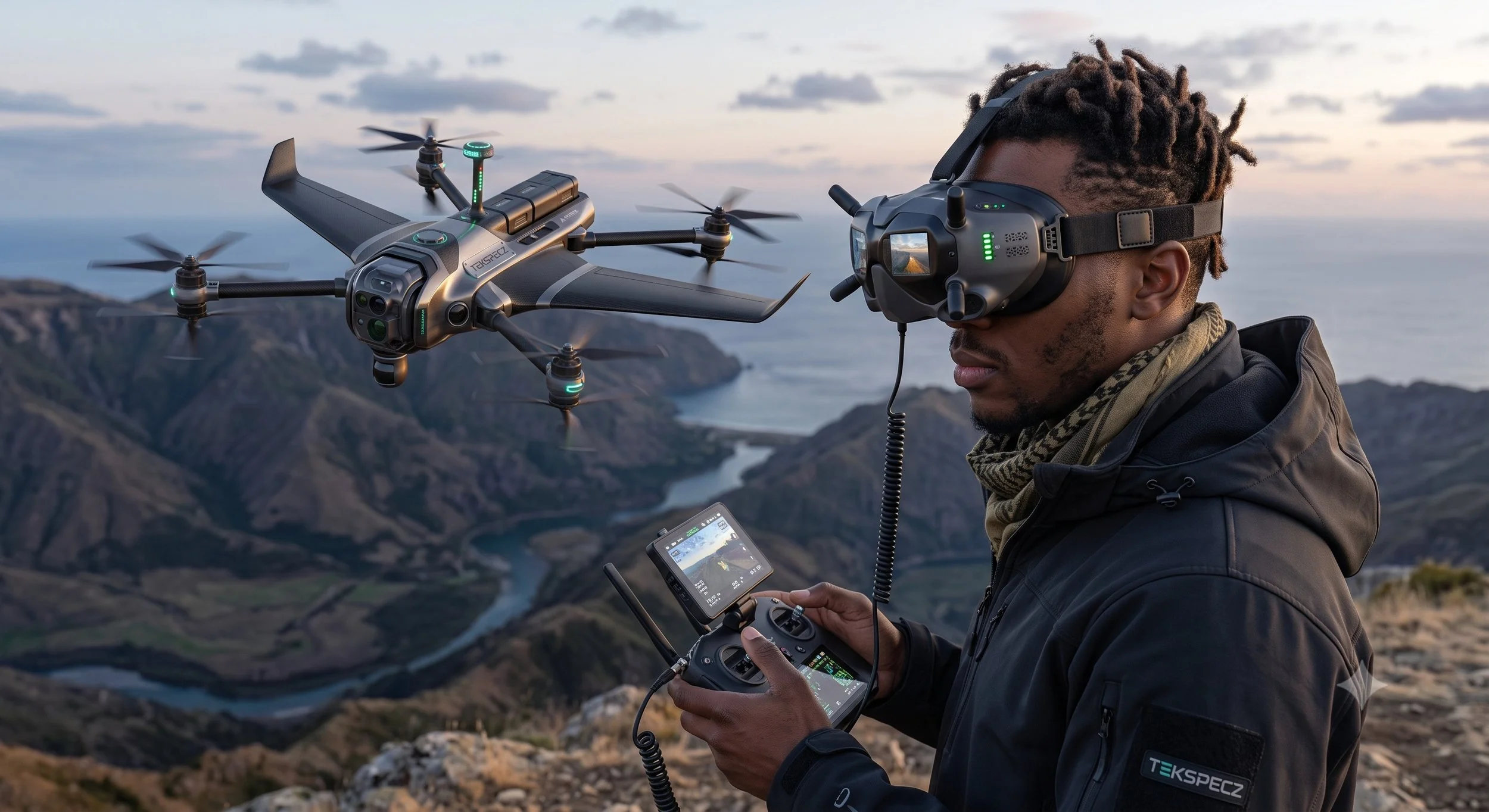
An aggressive, high-pitched propeller will enable an impeccable grip during sharp turns. Still, the caveat with high-pitched props is that they consume excessive power, draining the battery in under 3 minutes. On the other hand, Flatter propellers (which I will use in this drone build) increase efficiency, stretching flight time to approximately 6 to 7 minutes, but you're sacrificing the drone's top speed.
The Build Conclusion
Ultimately, constructing the perfect drone is not just about chasing the highest spec sheet — it's about crafty engineering that strikes the right balance for specific tasks. Whether I want to aim for a nimble, carbon-fiber FPV racer drone or a stabilized, long-range cruiser designed for that perfect cinematic footage, keep in mind that every design choice will come with a series of trade-offs. Understanding the razor-thin margins between battery weight, motor torque, and structure, you will master the art of building drones. In researching how to build the perfect drone, I gained basic knowledge on how core components interact, especially if I want a flight device tailored to how I want it to fly.