Explanation Needed: What is Frames Per Second Measuring?
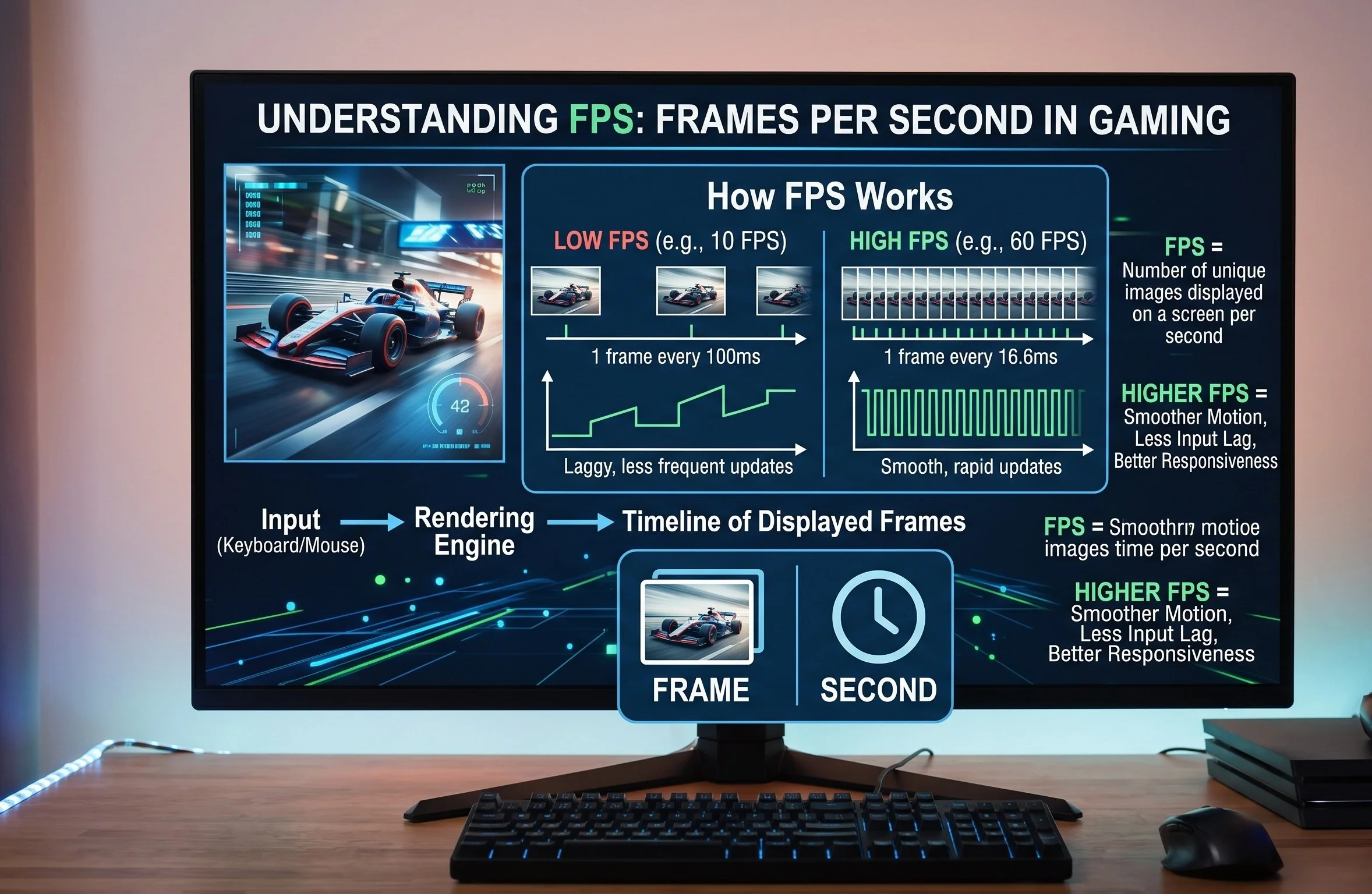
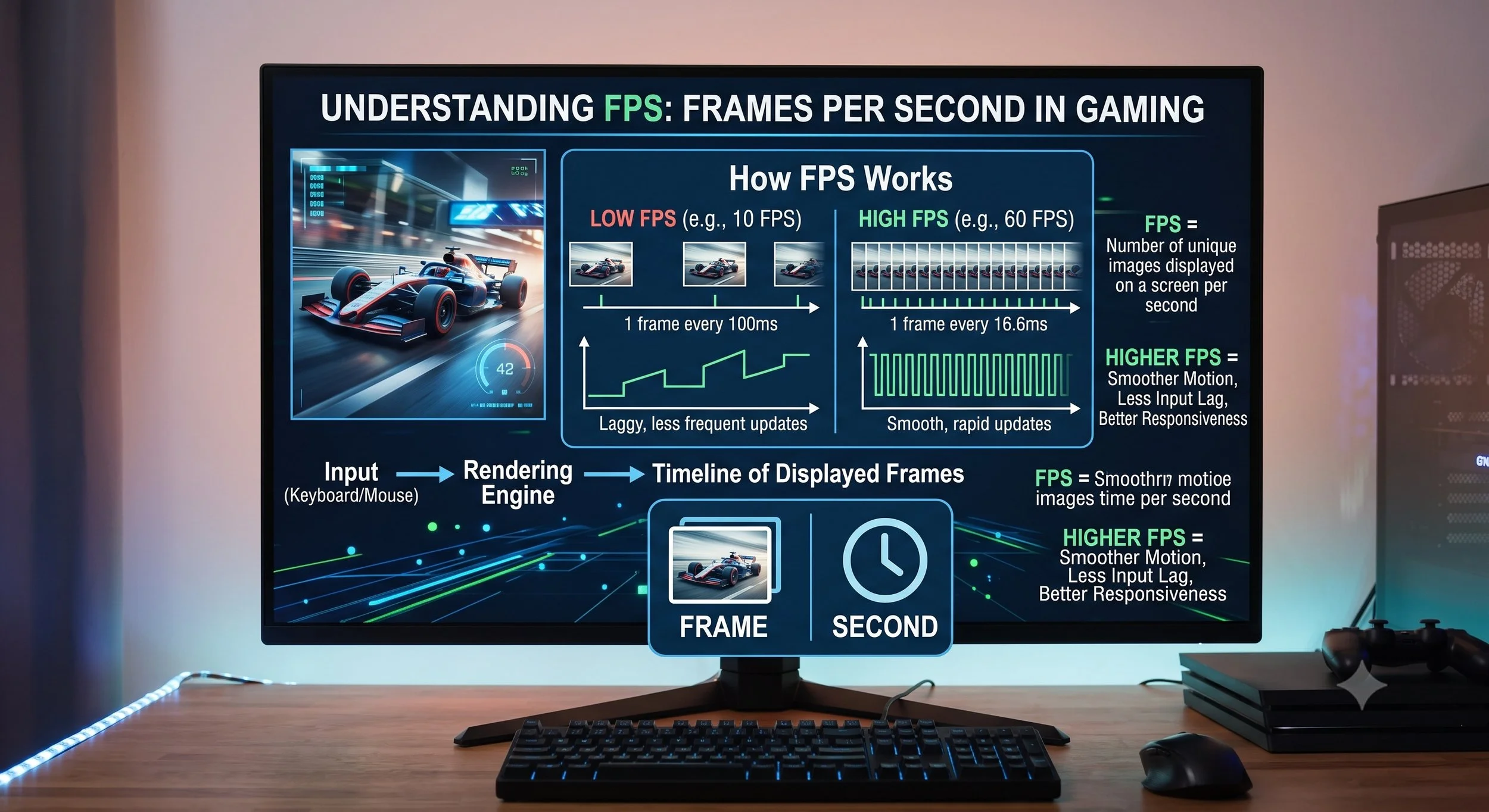
If you see the technical term "Frames Per Second" on GPU and gaming display spec sheets in relation to video technology, it refers to the number of individual static images a display outputs per second to create the illusion of smooth motion for the eyes. That is the short answer; there is more to what FPS involves, which I'll explain in this new installment of Explanation Needed.
Think of FPS as a digital flipbook; the human brain perceives each still image as continuous movement. The higher the number of frames rendered in a given second, the clearer the images are, and the more responsive movements appear to the naked eye.
Frame Rate Measured Benchmarks
24 FPS is standard cinema, used in feature films and television production. You're introduced to natural motion blur, giving movies their traditional cinematic aesthetic.
This i s what 240FPS gaming looks like. Nice and fluid isn’t it?
Standard broadcast and casual gaming fall in the 30 FPS realm. This is the traditional baseline for live broadcasts and console games — providing acceptable motion clarity with less processing power.
60 FPS visuals are more fluid. It is the gold standard for smooth video playback, streaming, and mainstream interactive entertainment or gameplay. You'll find the animation crisp, with less visual stutter.
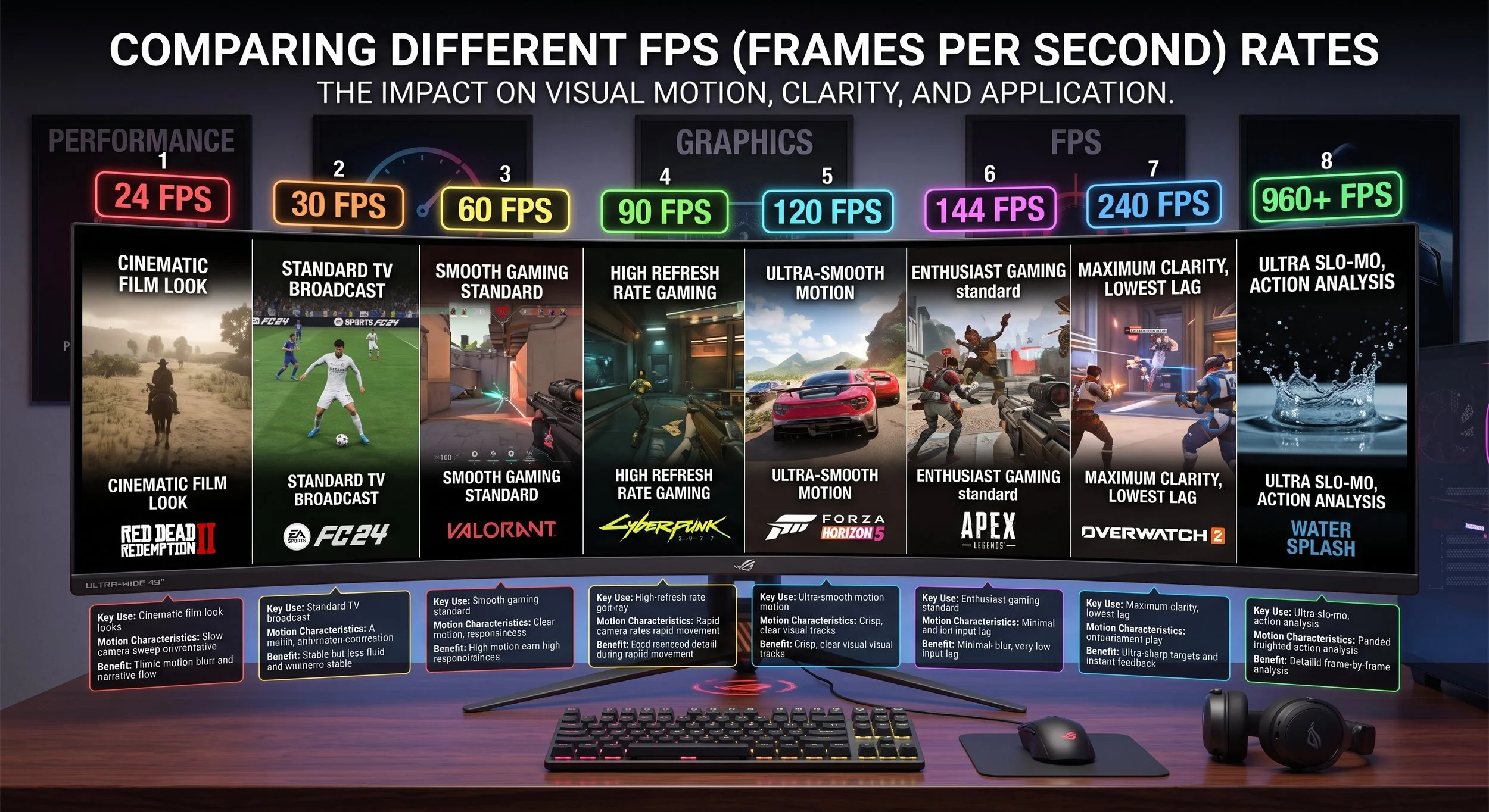
When it comes to 120 FPS to 240 FPS, you're now venturing into high refresh rate gaming. Ultra-high FPS is quite common in competitive esports or fast-paced simulation software. Going past 120 FPS significantly reduces latency, offering fast visual feedback and tracking rapid, fluid movements.
Balance Between FPS and Display Hardware
When it comes to rendering performance, achieving high FPS depends solely on how well the graphics processor works in unison with the display capabilities.
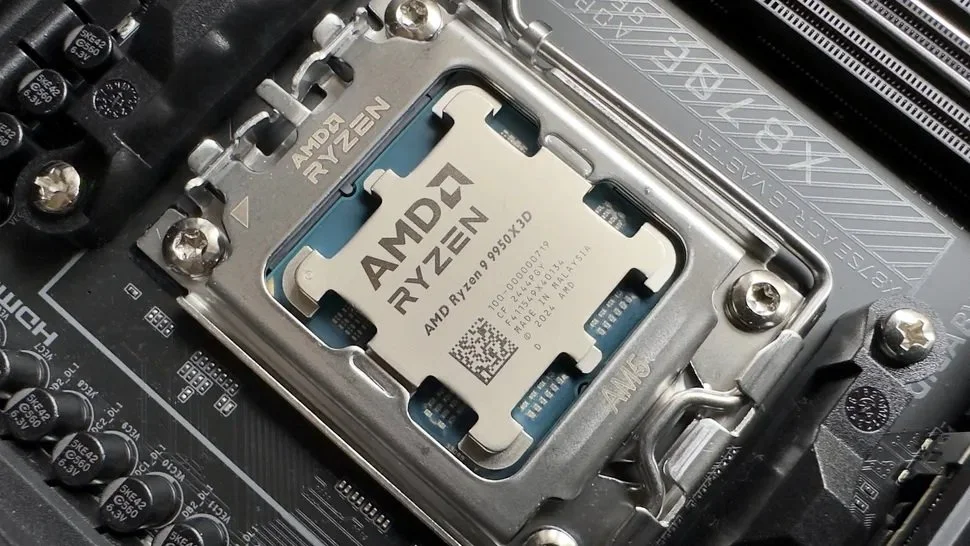
The Ryzen 9 9950 X 3D is more than capable high level gaming.
The computer's CPU and graphics card (GPU) play critical roles in computing physics and geometry, and in rendering textures for each frame. Complex graphical operations and higher display resolutions demand additional computational power, which can actually reduce the overall frame rate if the hardware reaches its limit. That’s why it is essential to use high-end hardware if you plan to game at high FPS.
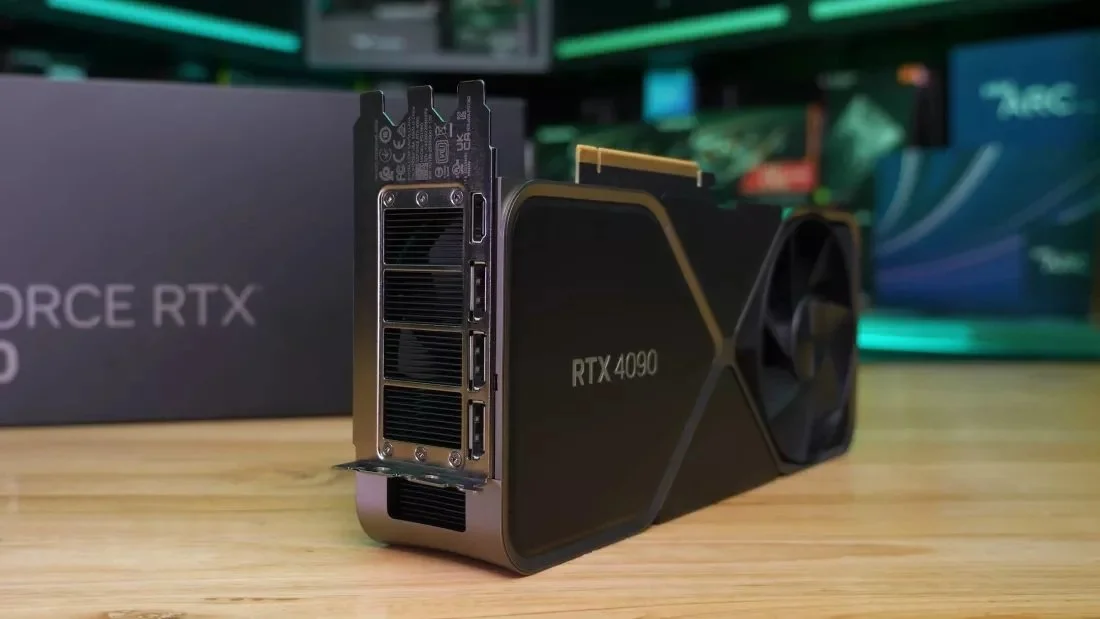
Nvidia RTX 4090, though a last gen GPU, it can output 120FPS and beyond visuals
Refresh rate alignment that include monitors and gaming displays measure hardware's update capabilities in Hertz (Hz). For example, an output of 120 FPS on a standard 60 Hz display yields non-beneficial visuals, as the screen can only physically refresh 60 times per second.
Conclusion: So what have we learned?
In the end, Frame rate dictates visual quality and responsiveness of motion on a screen. Keep in mind that gaming benefits from high FPS, especially when you balance graphics settings for cinematic single-player gameplay or tune hardware for low-latency interactive gaming. Understanding FPS is essential to optimizing digital performance.