Why are Bose Noise-Canceling Wired Headphones Selling Out so Quickly?
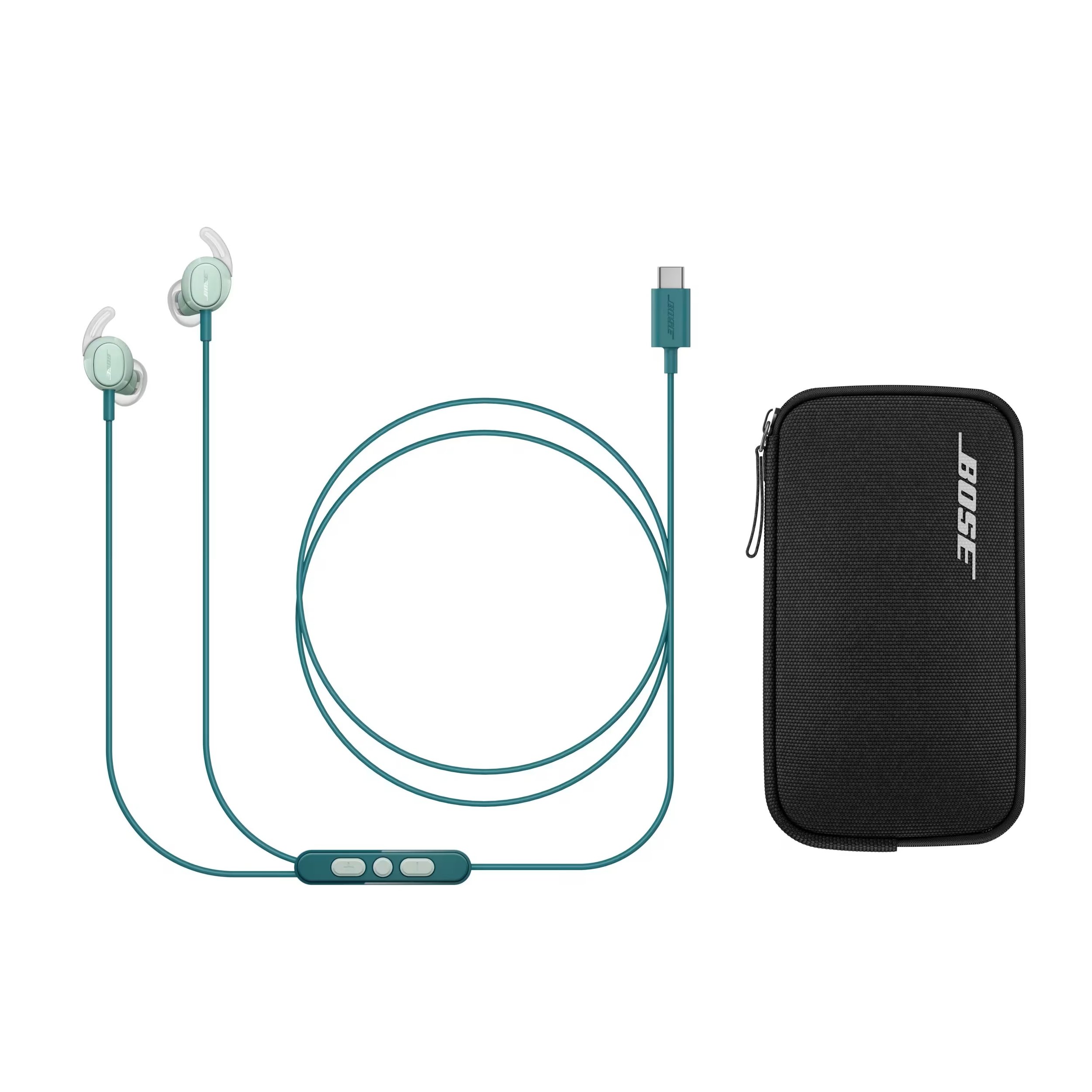
I never would have thought that, in an age when every consumer, whether a tech enthusiast or an audiophile, would be scrambling to buy a pair of wired earbuds in 2026; many even call it pure nostalgia. Yet here it is: today, store shelves are empty, and backorders last for weeks. Bose has unexpectedly found itself in a pickle.
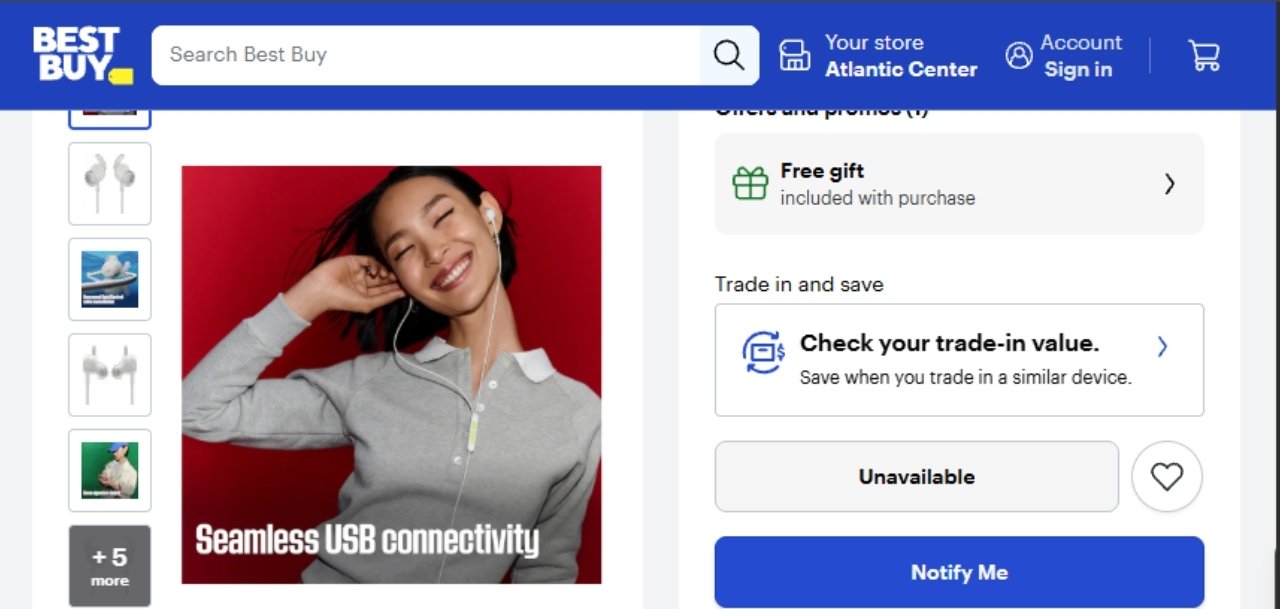
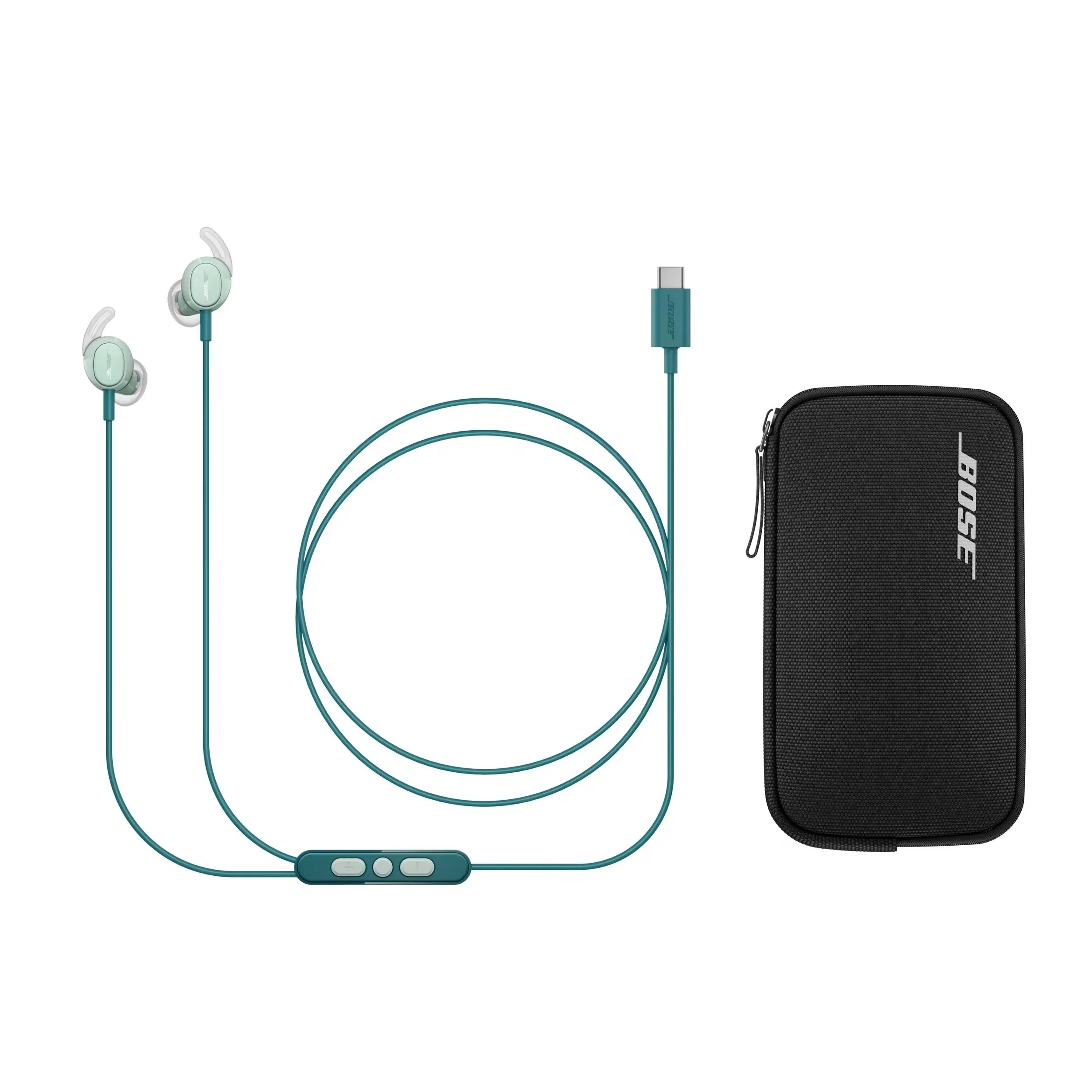
So what product is selling out at electronics retailers? The Bose Noise Canceling Wired Earbuds, a $99 USB-C model, have captured the market by solving the fatigue, expense, and disposable nature of modern wireless audio.
The Flagship ANC earbuds without the $300+ Tax
Today, if you want industry-leading active noise cancellation earbuds, you have to pay a premium, spending anywhere from $250 to $350 or more for true wireless earbuds like Apple's AirPods Pro or the QuietComfort Ultra earbuds.
At just $99, Bose lowers the barrier to entry and draws in travelers and students alike who want sound isolation without spending premium bucks.
The Battery Issue Is Solved
The main weakness of most wired ANC—like the classic Bose QuietComfort 20—was a bulky, rechargeable inline battery module that crowded your pockets and made them uncomfortable. Once the battery depletes, noise cancellation also weakens.
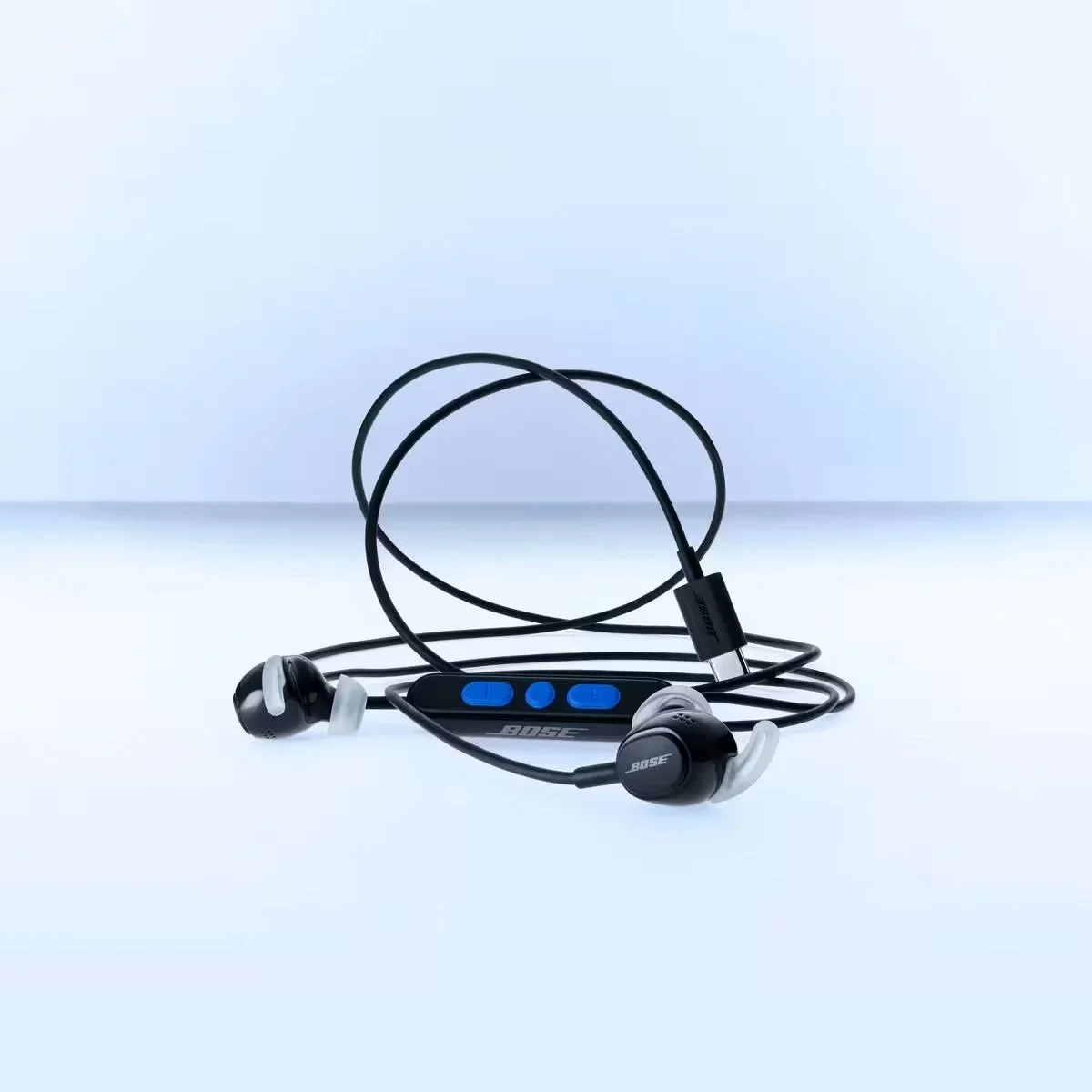
By leveraging USB-C power delivery, Bose eliminates the internal earbud batteries. Wired earbuds draw what's called nominal power from the host smartphone, tablet, laptop, or handheld console (Steam Deck, Switch). No extensive charging is needed, and there's no risk of battery degradation after two years of daily use.
Just Plug it Up and Play
Even though Bluetooth audio has improved immensely, wireless earbuds still face inherent friction, including multipoint-switch hiccups during crucial livestreaming, codec compression and audio-visual latency while gaming, and battery health degradation that can turn them into landfill-bound tech within 24 to 36 months.
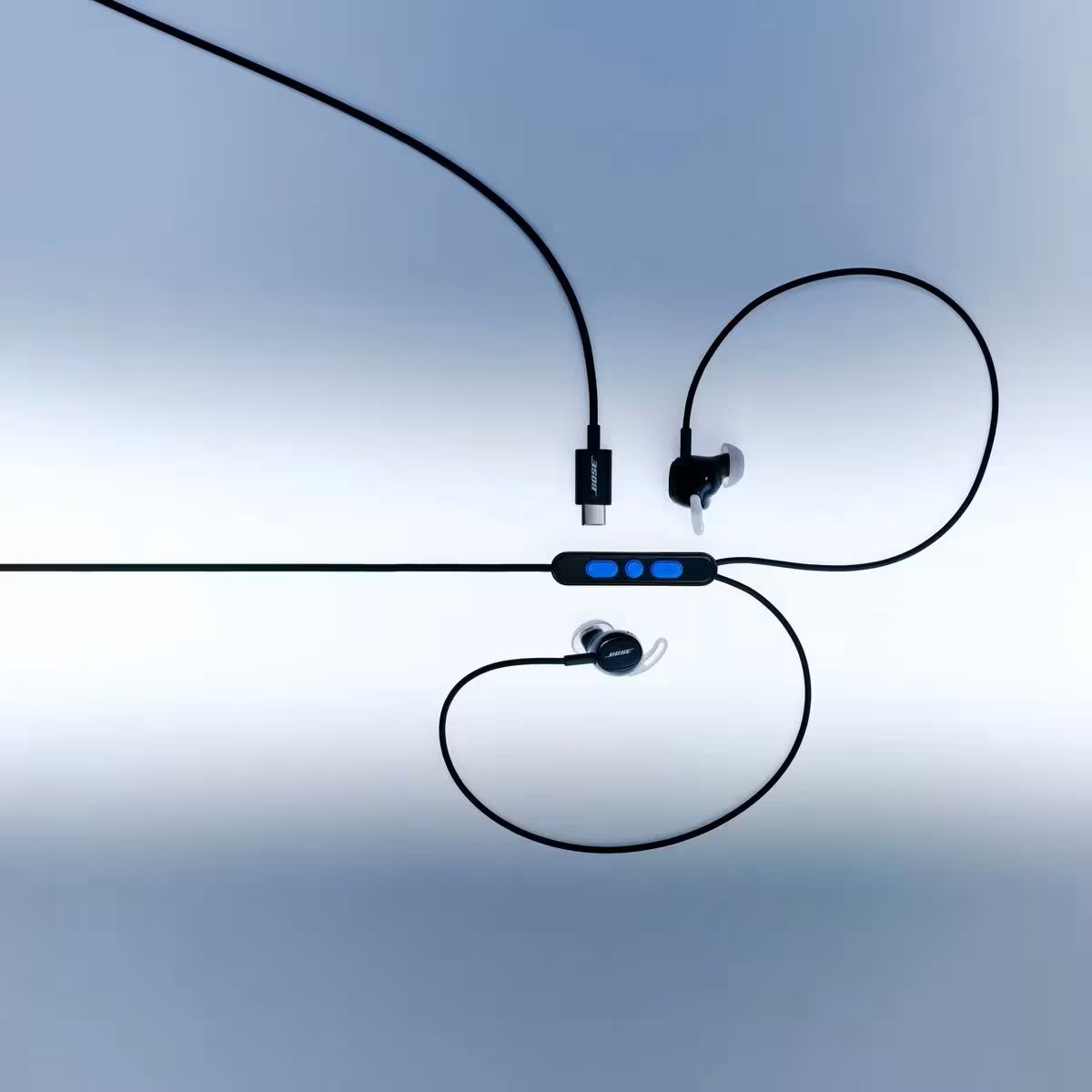
With hardwired USB, the audio class 2 connection delivers clean 24-bit/48kHz audio with no signal lag; an inline microphone doesn't need to compress voices through a low-bandwidth Bluetooth profile, and it connects instantly when plugged into a port. No app setup, no pairing modes, no signal dropouts.
It's All About The Wired Aesthetics
The Bose ANC wired headphone hits the market at a time of cultural shift. A sudden resurgence of wired earbuds among a certain demographic and everyday gadget users—once driven by retro-chic styling and TikTok trends—has matured into practical appreciation.
Users seek wired ear-sets not just for the look, but for the simplicity of hardwired audio. Call it nostalgia if you want; Bose has met the cultural wave of one-tier acoustic engineering.
The Conclusive Takeaway
The high demand for Bose's wired noise-canceling buds proves that the audio tech industry's push toward an entirely wireless, disposable ecosystem has neglected a massive market that still uses wired headsets. By delivering top-tier noise cancellation, long-term device longevity, and simple plug-and-play operation for under $100, Bose didn't just release a nostalgic throwback—it exposed a blind spot in modern consumer tech.